Do “immune support” supplements actually work? What to check before you buy

Sonia Biecka
Dietitian

Medical review: lek. Wojciech Sierocki
Content medically reviewed by an Optimals team physician.
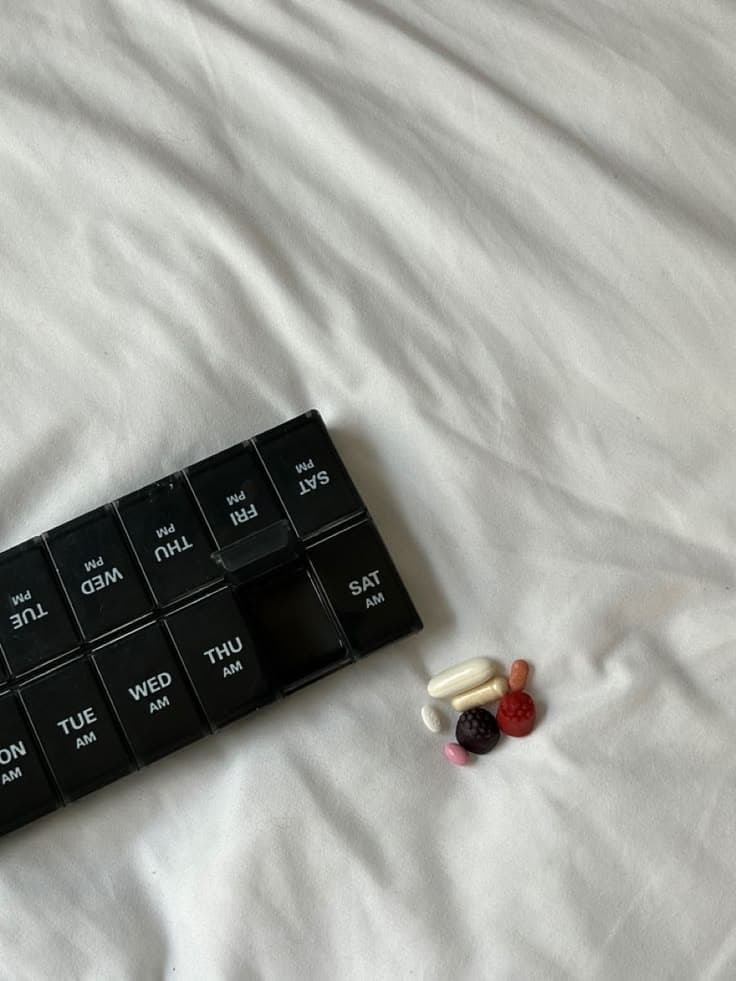
Vitamin C, vitamin D, zinc, selenium, elderberry, echinacea, beta-glucans, probiotics and a handful of plant extracts, all in one capsule. Every autumn, pharmacy shelves fill up with products labelled "immune support," and their ads often suggest that taking them regularly will get you through cold-and-flu season without catching anything.
Does it actually work that way?
Vitamins and minerals are essential for a properly functioning immune system. If you're genuinely short on one, correcting that deficiency can make a real difference. That doesn't mean someone with no deficiencies will be better protected against infections just because they start taking high doses of several ingredients at once.
With "immune support" supplements, it's worth separating a genuine bodily need from marketing.
"Supports immunity" doesn't mean "prevents infections"
Zinc, vitamin C, vitamin D, selenium and B vitamins are all involved in processes the immune system depends on. That much is true.
But it doesn't work on a "more vitamins, stronger immunity" principle.
If your diet already covers your needs and you have no deficiency in a given nutrient, pushing its intake many times past physiological need usually doesn't bring proportionally bigger benefits.
Immunity also isn't a single dial a supplement can turn up. Nutritional status, sleep, physical activity, recovery, chronic conditions, age and pathogen exposure all matter. That's clear from the link between sleep and immunity - one bad night can weaken your immune response more than any supplement can strengthen it.
A dietary supplement is not a medicine
This matters especially during cold-and-flu season.
A dietary supplement is a food product meant to supplement a normal diet. It doesn't go through the same approval process as a medicine, and before it reaches the market it doesn't have to prove clinical effectiveness in treating or preventing disease.
So an "immune support" label doesn't mean the product has been tested as an effective way to prevent colds.
Being listed in Poland's GIS supplement registry doesn't confirm effectiveness either, and it isn't a recommendation to use the product.

What do we know about the most popular ingredients?
| Ingredient | What's worth knowing |
|---|---|
| Vitamin D | Getting enough matters, and supplementation is warranted for many groups in Poland. It shouldn't be treated as a medicine that prevents autumn infections, though. |
| Vitamin C | Regular use may slightly shorten a cold, but for most people it doesn't prevent one. |
| Zinc | Taking it preventively doesn't give clear protection against colds. Some preparations taken once an infection has started may shorten symptoms. |
| Selenium | A deficiency can be harmful, but supplementing high doses without an actual need brings no extra benefit. |
| Probiotics | Specific strains may affect how often or how long infections last, but one strain's effect can't be attributed to probiotics in general. |
| Echinacea | Study results are mixed. Any effect depends on the type of preparation, dose and how it's used. |
| Elderberry | May ease some infection symptoms, but the evidence is still limited. There's no basis for treating it as an effective prevention method. |
Vitamin D: supplementation makes sense, just not as a "shield against viruses"
Vitamin D plays an important role in the body, including in a properly functioning immune system. Given the climate, limited sun exposure and frequent deficiencies, supplementation is recommended for many groups in Poland.
That's different from claiming that starting supplementation in autumn will prevent infections.
The dose is worth tailoring to age, body weight, sun exposure, diet and individual health status. In certain cases, testing 25(OH)D levels helps too.
Vitamin C: 1000 mg doesn't mean better protection
Vitamin C is one of the most recognisable ingredients in "immune support" supplements.
Regular supplementation may slightly affect the length and severity of a cold, but for most healthy people it doesn't clearly lower the risk of getting sick in the first place.
An adult's physiological requirement is far lower than the 500 or 1000 mg doses that often show up in supplements.
If your diet regularly includes vegetables and fruit, high doses of vitamin C usually aren't needed.
Zinc: more interesting during an infection than before one
Zinc is also essential for the body to function properly. Studies don't show, though, that taking it daily throughout autumn is an effective way to prevent colds.
Results look a bit more interesting when certain zinc preparations are used once symptoms have already started - some studies observed a shorter infection.
That doesn't mean every product and every dose will work the same way. Zinc can also cause nausea, taste disturbances and digestive complaints, and excessive, long-term intake isn't harmless.
An "immune" probiotic? The strain is what counts
With probiotics, one rule matters most: there's no single universal "probiotic."
The effect depends on the specific genus, species and strain of the microorganism, its dose and how long it's used.
Some strains have been studied for respiratory infections and may moderately affect how often or how long they last. A finding about one strain can't be extended to any product with "10 billion good bacteria" on the label.
If a manufacturer cites research, it's worth checking whether it actually covers the strains in that product.
More ingredients doesn't mean a better product
A long list on the label looks appealing:
vitamin C, vitamin D, zinc, selenium, elderberry, echinacea, acerola, beta-glucan and probiotics.
But the sheer number of ingredients says nothing about how effective the product is.
In multi-ingredient formulas, some substances can be present in very small amounts, while others may needlessly duplicate what you're already taking in separate supplements.
For example:
| Product | Zinc |
|---|---|
| Multivitamin | 10 mg |
| "Immunity" formula | 15 mg |
| Standalone zinc supplement | 15 mg |
| Total | 40 mg |
And that's before adding the zinc you get from food.
That's why supplementation should be assessed as a whole, not product by product - the same logic applies when judging the quality of a single supplement.
500% NRV doesn't mean 500% better
NRV, the nutrient reference value, is mainly used for labelling food products.
It isn't a scale of effectiveness.
If a supplement contains 1000% NRV of vitamin C, that doesn't mean it gives you "ten times the immunity."
Some ingredients also have tolerable upper intake levels. Taking too much can cause adverse effects, especially if you combine several different preparations over a longer period.
What to check before you buy
Instead of going by the product name, it's worth asking yourself a few questions:
- Why do I want to take it? Is there a specific need, or a risk of deficiency?
- What exactly does it contain? Check the actual ingredient list, not just the "immune complex" name.
- What are the doses? Look at mg, µg, IU, or CFU count for probiotics.
- Are the same ingredients already in other supplements I take?
- Is the dose actually justified?
- Was the ingredient studied in this specific form? This matters especially for probiotics and plant extracts.
- Could the product interact with medications?
- Is the manufacturer implying a therapeutic effect it shouldn't?
Extra caution is needed for supplements used by children, pregnant or breastfeeding women, older adults, patients with chronic conditions, and anyone taking several medications at once.
An ingredient being "natural" doesn't automatically mean it's completely inert in the body.
When does supplementation actually make sense?
Mainly when it answers a specific need.
That could be a confirmed deficiency, insufficient intake from the diet, increased requirements, absorption problems, or specific recommendations based on age or health status.
Vitamin D is a good example - supplementation is recommended for certain groups in Poland regardless of the seasonal marketing around "immune support" products.
Supplementation should fill a real gap in the diet, not start automatically every October - the same principle applies to replacing your whole diet with supplements: a capsule won't replace what's actually missing from your plate.
What matters more than another "immune complex"?
A properly functioning immune system depends on your whole lifestyle.
Adequate energy and protein intake, a varied diet, regular vegetables and fruit, sources of unsaturated fat, enough sleep, physical activity and recovery all play a role.
A supplement can be a helpful addition, if it's genuinely needed.
It won't replace the basics.
Frequently asked questions
Do “immune support” supplements work?
There's no single group of supplements that reliably "boosts immunity" for everyone. Some ingredients can help with a genuine deficiency, and certain preparations show small benefits in specific situations.
Is it worth taking vitamin C, D and zinc together in autumn?
There's no general recommendation for every healthy person to take that combination. Vitamin D should be supplemented according to current guidelines. Whether you need vitamin C and zinc is worth assessing individually.
Does 1000 mg of vitamin C a day prevent colds?
For most people, no. Regular supplementation may slightly shorten or ease cold symptoms, but it doesn't give clear protection against getting sick.
Does zinc help during a cold?
Some preparations, taken early enough, may shorten how long symptoms last, but the effect depends on the form, dose and how it's used. Zinc can also cause side effects.
Can a probiotic support immunity?
Some strains may moderately affect how often or how long infections last. That doesn't mean every probiotic product will have that effect.
Is a supplement from the pharmacy automatically safe?
No. A supplement can cause side effects, interact with medications, or provide excessive amounts of certain ingredients, especially if you take several products at once.
Does being in the GIS registry mean a product was tested for effectiveness?
No. Being in the registry means the product was reported, not that its clinical effectiveness was confirmed or that it's recommended for use.
✨ In the Optimals app you can build a health protocol matched to your goal - with supplements your test results and habits actually call for, not seasonal advertising.
References
- Płudowski, P., Kos-Kudła, B., Walczak, M. et al. (2023). Guidelines for Preventing and Treating Vitamin D Deficiency: A 2023 Update in Poland. Nutrients, 15(3), 695. doi:10.3390/nu15030695.
- Jolliffe, D.A., Camargo, C.A. Jr, Sluyter, J.D. et al. (2025). Vitamin D supplementation to prevent acute respiratory infections: systematic review and meta-analysis of stratified aggregate data. The Lancet Diabetes & Endocrinology, 13(4), 307–320. doi:10.1016/S2213-8587(24)00348-6.
- Hemilä, H. & Chalker, E. (2023). Vitamin C reduces the severity of common colds: a meta-analysis. BMC Public Health, 23, 2468. doi:10.1186/s12889-023-17229-8.
- Nault, D., Machingo, T.A., Shipper, A.G. et al. (2024). Zinc for prevention and treatment of the common cold. Cochrane Database of Systematic Reviews, 5, CD014914. doi:10.1002/14651858.CD014914.pub2.
- Filippini, T., Fairweather-Tait, S. & Vinceti, M. (2023). Selenium and immune function: a systematic review and meta-analysis of experimental human studies. American Journal of Clinical Nutrition, 117(1), 93–110. doi:10.1016/j.ajcnut.2022.11.007.
- Zhao, Y., Dong, B.R. & Hao, Q. (2022). Probiotics for preventing acute upper respiratory tract infections. Cochrane Database of Systematic Reviews, 8, CD006895. doi:10.1002/14651858.CD006895.pub4.
- Coleman, J.L., King, S., Glanville, J. et al. (2022). Orally Ingested Probiotics, Prebiotics, and Synbiotics as Countermeasures for Respiratory Tract Infections in Nonelderly Adults: A Systematic Review and Meta-Analysis. Advances in Nutrition. doi:10.1093/advances/nmac086.
- David, S. & Cunningham, R. (2019). Echinacea for the prevention and treatment of upper respiratory tract infections: A systematic review and meta-analysis. Complementary Therapies in Medicine, 44, 18–26. doi:10.1016/j.ctim.2019.03.011.
- Wieland, L.S., Piechotta, V., Feinberg, T. et al. (2021). Elderberry for prevention and treatment of viral respiratory illnesses: a systematic review. BMC Complementary Medicine and Therapies, 21, 112. doi:10.1186/s12906-021-03283-5.
- National Institute of Public Health NIH - National Research Institute, Poland (2024). Nutrition Norms for the Polish Population – 2024. https://www.pzh.gov.pl/normy-zywienia-2024/.
- National Institutes of Health, Office of Dietary Supplements (2024). Dietary Supplements for Immune Function and Infectious Diseases – Fact Sheet for Health Professionals. https://ods.od.nih.gov/factsheets/ImmuneFunction-HealthProfessional/.
- Polish Chief Sanitary Inspectorate (GIS). Dietary supplements – consumer information; The Ten Commandments of Supplementation. https://gis.gov.pl/zywnosc-i-woda/suplementy-diety-zywnosc-wzbogacana-zywnosc-dla-dzieci/ ; https://gis.gov.pl/aktualnosci/dekalog-suplementacj/.