
Fermented foods and immunity: does gut health really matter?

Sonia Biecka
Dietitian

Medical review: lek. Wojciech Sierocki
Content medically reviewed by an Optimals team physician.
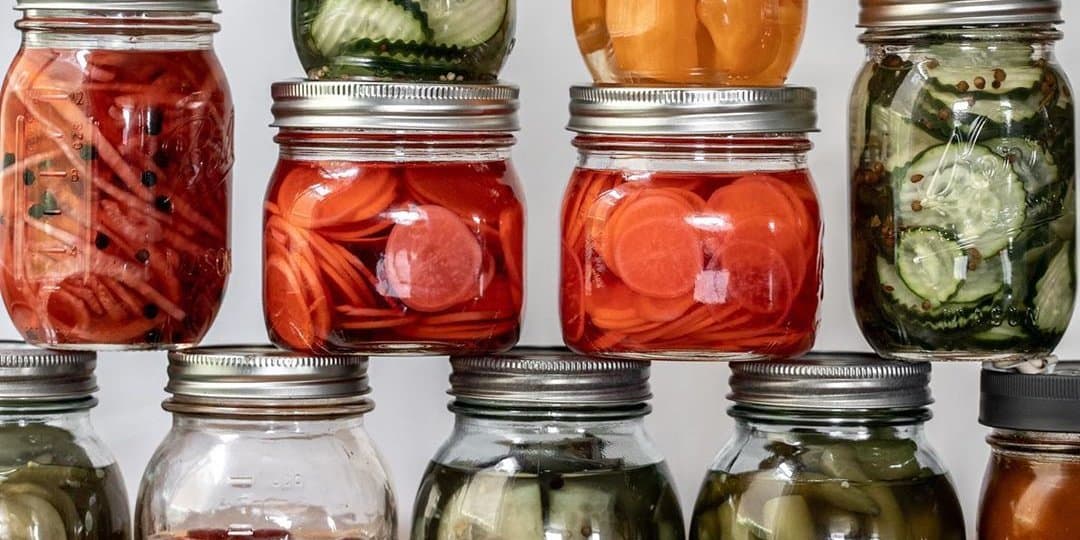
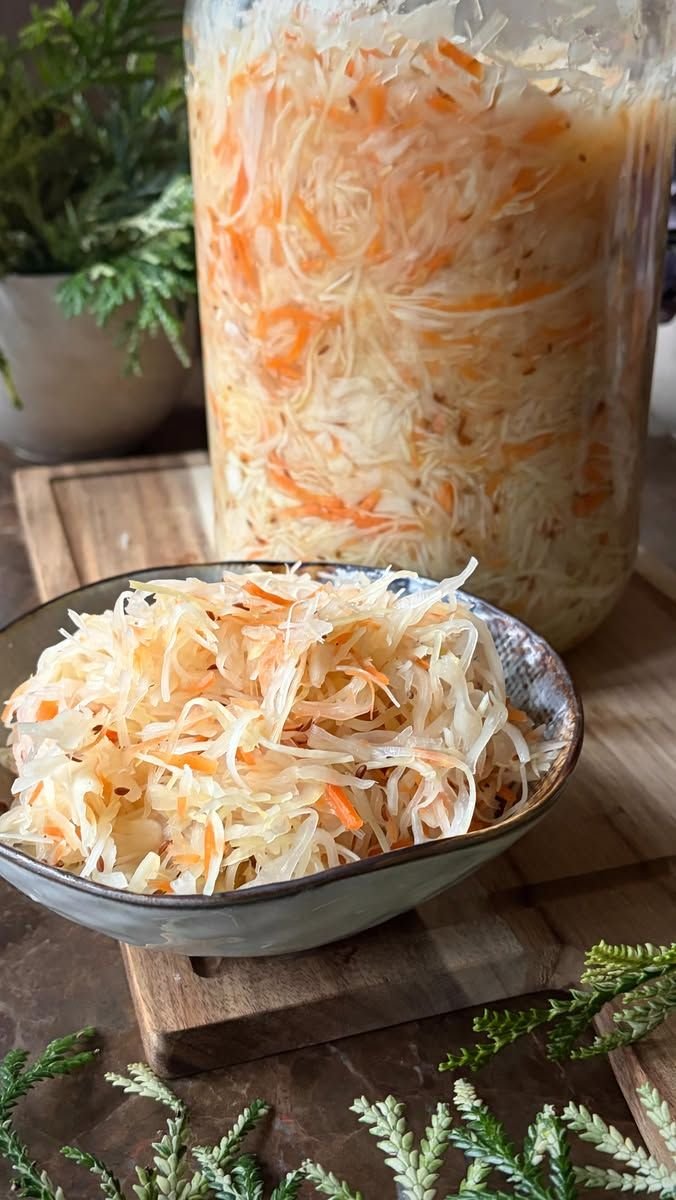
Sauerkraut, pickled cucumbers, kefir and kimchi turn up on almost every list of foods "for immunity". In autumn especially, people like to credit them with helping the body fight off infections.
The mechanism sounds logical. Fermented foods contain microorganisms produced during fermentation, the gut microbiota influences how the immune system works, so eating fermented foods regularly should improve immunity.
But is it really that simple?
The link between the gut, the microbiota and the immune system is well documented. What is far less certain is whether simply eating more fermented foods translates directly into fewer infections.
Fermented foods can be a valuable part of a healthy diet, but they shouldn't be treated as a natural cold remedy.
What does the gut have to do with immunity?
The digestive tract isn't only responsible for digesting food and absorbing nutrients. It is also one of the largest surfaces where the body meets the outside world.
The gut barrier, the mucus layer, the epithelial cells, the microbiota and the cells of the immune system together form a very complex system. Its job includes recognising potentially harmful agents while tolerating food and microorganisms that pose no threat.
The gut microbiota helps regulate this response. Gut bacteria produce various metabolites that can act on the intestinal lining and on immune cells.
That doesn't mean, however, that all of your immunity "lives in the gut".
The popular claim that "70% of the immune system is in the gut" is a big simplification. The gut does play an important role in how the immune system works, but there is no single reliable percentage that could describe the relationship so precisely.
It's far more accurate to say that the gut, the microbiota and the gut barrier take part in regulating the immune response, both locally and through mechanisms that affect the whole body.
What exactly are fermented foods?
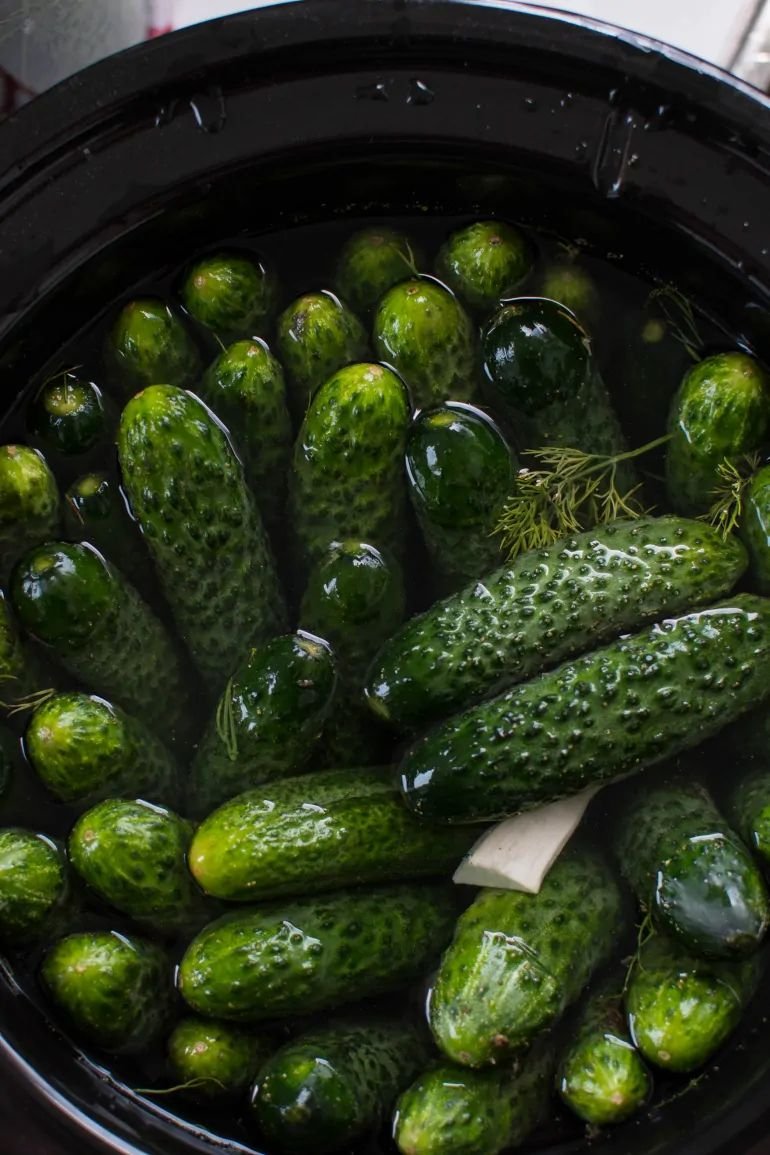
Pickling in brine is a form of fermentation.
During this process, microorganisms use the components of the food and convert them into other compounds. In fermented vegetables, lactic acid bacteria play a major role. They break down some of the naturally present sugars and produce, among other things, lactic acid.
That's why sauerkraut and brine-fermented cucumbers have their characteristic sour taste.
It's worth distinguishing fermented products from those acidified with vinegar.
Fermented (brine) pickles are made through fermentation, while most jarred pickles are simply acidified with vinegar. These are two different processes.
Likewise, not every fermented product still contains live microorganisms by the time you eat it. If it has been pasteurised, the heat may have destroyed some or most of them.
So sauerkraut can be a fermented product, but after pasteurisation it no longer delivers the same amount of live bacterial cultures as an unpasteurised one.
Is every fermented food a probiotic?
No.
Fermented food and a probiotic are not the same thing.
A probiotic is a specific microorganism, usually identified not only by genus and species but also by strain, whose health benefit has been confirmed in studies at a defined dose.
Sauerkraut or fermented cucumbers may contain live microorganisms, but their composition and numbers can vary from batch to batch.
That's why we can't say that every sauerkraut is a probiotic product.
The fact that a product contains live bacteria doesn't automatically mean that a specific health effect has been shown for them.
Do fermented foods change the gut microbiota?
Fermented foods can affect the gut environment, but not necessarily in the way social media sometimes describes.
It isn't simply a case of "good bacteria from sauerkraut colonising your gut".
Microorganisms in fermented food can pass through the digestive tract and interact with the microbiota for a while. Fermentation itself also produces various metabolites and bioactive compounds that can affect the gut environment.
Research shows that a diet with more fermented food can influence microbiota diversity and some markers of inflammation.
One frequently cited study in healthy adults found that people who ate more fermented foods had greater gut microbiota diversity and lower levels of some inflammatory markers.
These are interesting results, but they need to be interpreted carefully.
The study was fairly small, involved a range of fermented foods and didn't directly test whether participants caught colds or flu less often.
So the statement:
"fermented food can influence the microbiota and some immune-related markers"
doesn't automatically mean:
"pickled cucumbers prevent infections".
Do fermented foods improve immunity?
The most reasonable answer is this: they can be one element of a diet that supports gut health and the healthy functioning of the body, but we don't have enough evidence to treat them as a stand-alone way of preventing infections.
Research on fermented foods is promising. Effects have been observed on the microbiota, metabolites and some markers related to the immune response.
We know far less, however, about whether ordinary fermented vegetables actually reduce the number of respiratory infections in healthy people.
There are studies on fermented dairy products containing specific probiotic strains in which respiratory infections were less frequent.
That doesn't mean the same effect can be attributed to sauerkraut, pickled cucumbers or any kefir.
Probiotic studies use precisely defined microorganisms in a specific amount. In traditional fermented vegetables, the microbial composition is far more variable.
Fermented foods are not just bacteria
The value of fermented vegetables doesn't come only from the microorganisms they contain.
Sauerkraut still provides what cabbage provides, and fermented cucumbers what cucumbers provide. These foods can contain vitamins, minerals, fibre and bioactive compounds.
Fermentation also changes the composition of the food. New metabolites can form, and the bioavailability of some nutrients can change.
So the potential benefits of eating fermented foods shouldn't be reduced to "supplying good bacteria".
What supports the microbiota most?
For the microbiota, what matters most is your everyday diet as a whole. Getting enough fibre and a variety of plant foods is especially important.
A good dietary pattern therefore includes:
- vegetables,
- fruit,
- whole-grain cereal products,
- legumes,
- nuts,
- pumpkin and sunflower seeds,
- other seeds,
- a variety of fermented foods.
A large daily portion of sauerkraut makes much less sense if the rest of your diet is low in fibre and plant foods.
Fermented foods can complement a gut-friendly diet, but they can't replace variety.
How much fermented food should you eat?
There is no official recommendation for how much sauerkraut or fermented cucumbers to eat to improve immunity.
So there's no need to eat half a jar of pickles a day or drink large amounts of sauerkraut juice.
You can treat fermented foods like other vegetables and side dishes: eat them regularly, but in moderate portions.
If they rarely appeared in your diet before, increase the amount gradually and see how your digestive system tolerates them.
Don't forget the salt
Fermented foods also have a less favourable side.
Salt is an essential part of traditional fermentation, so fermented vegetables can supply quite a lot of sodium.
This matters particularly for people with high blood pressure and for those who also get a lot of salt from other foods.
That doesn't mean people with hypertension have to give up fermented foods entirely. It is worth paying attention to the portion and to the total amount of sodium in the diet.
Are fermented foods for everyone?
Not always.
In some people, large amounts of fermented foods can cause bloating, a feeling of fullness or other digestive complaints.
Fermented foods can also contain biogenic amines, including histamine. In some people they may therefore make certain symptoms worse.
That doesn't mean everyone should cut out fermented foods as a precaution. If you tolerate them well, there's no need.
Is it better to choose unpasteurised fermented foods?
If you want live microorganisms, yes.
Pasteurisation reduces their numbers. The product can still be nutritionally valuable and contain metabolites formed during fermentation, but it will differ from an unpasteurised one.
So it's worth reading labels and checking whether a product has been pasteurised.
That doesn't mean pasteurised sauerkraut becomes worthless, though.
Summary
Gut health really does matter for how the immune system works. The microbiota, the gut barrier and immune cells are in constant interaction.
That doesn't mean, however, that eating sauerkraut will protect you from a cold.
Fermented food can influence the microbiota and some markers related to inflammation and the immune response, but there is still not enough evidence to consider ordinary fermented vegetables an effective way of preventing infections.
So treat fermented foods as a valuable part of a varied diet, not an autumn immunity remedy.
Your diet as a whole matters far more, especially eating vegetables, fruit, whole grains, legumes, nuts, seeds and a variety of fermented foods regularly.
It's variety, not a single "superfood", that best fits a way of eating that supports gut health.
Frequently asked questions
Do fermented foods improve immunity?
They can be part of a diet that supports gut health, and the microbiota takes part in regulating the immune system. However, we don't have enough evidence that regularly eating sauerkraut or fermented cucumbers by itself reduces the risk of infection.
Is it worth eating fermented foods in autumn?
Yes. Not because they are a special "immunity food", but because they add variety to your diet and can be a valuable source of fermented food.
Is sauerkraut a probiotic?
Not automatically. It may contain live microorganisms, but the term "probiotic" requires the effect of a specific strain to be confirmed in studies.
Do vinegar pickles work the same way as fermented ones?
No. Fermented pickles are made through fermentation, while vinegar pickles are usually just acidified with vinegar.
Can you eat fermented foods every day?
If you tolerate them well, they can appear in your diet regularly. Keep their salt content in mind, though, and don't treat them as your only source of vegetables.
Will fermented foods “rebuild the microbiota” after antibiotics?
There is no basis for treating ordinary fermented foods as a standard way to rebuild the microbiota. After a course of antibiotics, a varied diet rich in plant foods and fibre matters more.
References
- Marco M.L., Cunningham M., Bischoff S.C., et al. The International Scientific Association for Probiotics and Prebiotics (ISAPP) consensus statement on the definition and scope of gut health. Nature Reviews Gastroenterology & Hepatology. 2026;23(5):432–448. doi:10.1038/s41575-026-01176-x
- Marco M.L., Sanders M.E., Gänzle M., et al. The International Scientific Association for Probiotics and Prebiotics (ISAPP) consensus statement on fermented foods. Nature Reviews Gastroenterology & Hepatology. 2021;18:196–208. doi:10.1038/s41575-020-00390-5
- Taylor B.C., Lejzerowicz F., Poirel M., et al. Consumption of fermented foods is associated with systematic differences in the gut microbiome and metabolome. mSystems. 2020;5(2):e00901-19. doi:10.1128/msystems.00901-19
- Wastyk H.C., Fragiadakis G.K., Perelman D., et al. Gut-microbiota-targeted diets modulate human immune status. Cell. 2021;184(16):4137–4153.e14. doi:10.1016/j.cell.2021.06.019
- Rashidi K., Razi B., Darand M., et al. Effect of probiotic fermented dairy products on incidence of respiratory tract infections: a systematic review and meta-analysis of randomized clinical trials. Nutrition Journal. 2021;20:61. doi:10.1186/s12937-021-00718-0
- Tan X., Cui F., Wang D., et al. Fermented Vegetables: Health Benefits, Defects, and Current Technological Solutions. Foods. 2024;13(1):38. doi:10.3390/foods13010038
- Lin X., Tang Y., Hu Y., et al. Sodium Reduction in Traditional Fermented Foods: Challenges, Strategies, and Perspectives. Journal of Agricultural and Food Chemistry. 2021;69(29):8065–8080. doi:10.1021/acs.jafc.1c01687
- Hakl R., Litzman J. Histamine intolerance. Vnitřní lékařství. 2023;69(1):37–40. doi:10.36290/vnl.2023.005
- Mukherjee A., Farsi D.N., Garcia-Gutierrez E., et al. Impact of fermented foods consumption on gastrointestinal wellbeing in healthy adults: a systematic review and meta-analysis. Frontiers in Nutrition. 2025;12:1668889. doi:10.3389/fnut.2025.1668889