
Garlic for immunity: a natural antibiotic or just another food myth?

Sonia Biecka
Dietitian

Medical review: lek. Wojciech Sierocki
Content medically reviewed by an Optimals team physician.
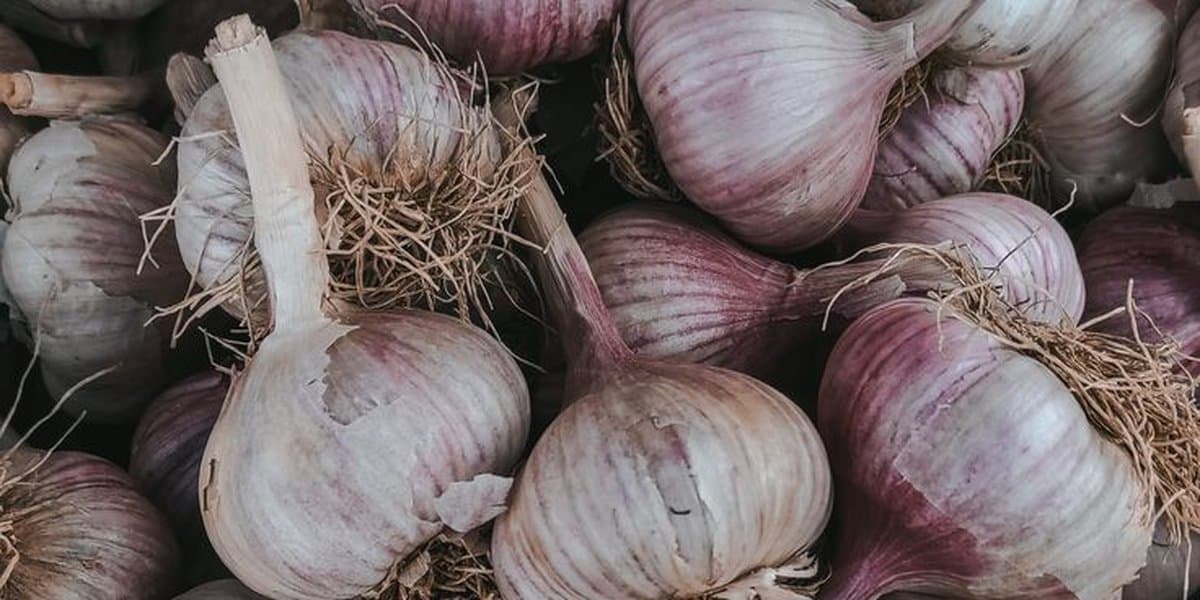
Garlic has long held a special place among home remedies for colds. It goes into milk with honey, syrups, sandwiches and mixtures made at the first sign of a sore throat. It is often even called a "natural antibiotic".
Does it really deserve the name?
Garlic contains sulphur compounds with interesting biological properties. The best known is allicin, which shows activity against various microorganisms in laboratory studies.
The problem starts when we transfer the results of laboratory studies directly to people.
There is currently not enough evidence to consider eating garlic an effective way to prevent colds, treat infections or replace antibiotics.
Where does the "natural antibiotic" label come from?
Much of garlic's reputation comes precisely from allicin.
Interestingly, a whole, intact garlic clove contains practically no ready-made allicin. It only forms once the garlic is cut, chopped or crushed.
That is when alliin comes into contact with the enzyme alliinase, and allicin is formed.
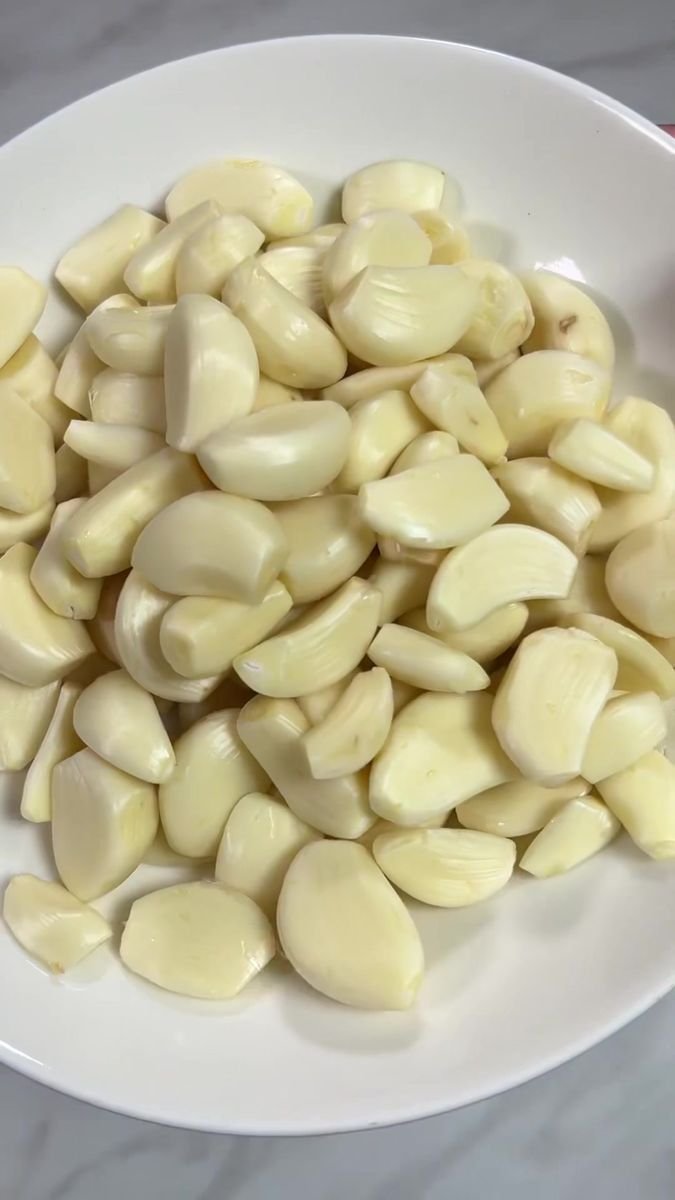
Allicin is, among other things, responsible for the characteristic, pungent smell of freshly crushed garlic.
Allicin is a highly reactive compound, and in laboratory studies it shows activity against various bacteria and other microorganisms.
That does not mean, however, that eating a few garlic cloves will work the same way as an antibacterial drug.
A laboratory is not the human body
If a substance inhibits bacterial growth in a test tube, it does not automatically follow that, once eaten, it will reach an adequate concentration in the body, get to the site of infection and cure it.
After you eat garlic, its sulphur compounds:
- are digested,
- undergo transformations,
- are metabolised into other compounds,
- occur in the body at different concentrations from those used in laboratory studies.
Allicin is also a relatively unstable compound.
That is why in vitro results are interesting and help us understand how garlic works, but they are not evidence that garlic treats infections in people.
| Claim | What does the current evidence show? |
|---|---|
| Garlic contains bioactive compounds | Yes |
| Allicin is antibacterial in the laboratory | Yes |
| Garlic may affect selected parts of the immune response | Possibly |
| Eating garlic regularly prevents colds | Insufficient evidence |
| Garlic shortens a cold | Evidence insufficient |
| Garlic treats bacterial infections | Not shown |
| Garlic can replace an antibiotic | No |
Is "natural antibiotic" an accurate term?
Not really.
Antibiotics are substances used to treat specific bacterial infections, at doses whose efficacy and safety have been evaluated in studies.
Garlic is a food that contains biologically active compounds. There is, however, no established dose of garlic that could replace an antibiotic in treating an infection.
What is more, most ordinary colds are caused by viruses, so antibiotics are not the treatment of choice for them anyway.
The "natural antibiotic" slogan can therefore create the false impression that garlic is an alternative to treating bacterial infections.
It is not.
Can garlic support the immune system?
Here the picture is more complex.
Compounds found in garlic may affect various parts of the immune response. Experimental studies have observed, among other things, effects on the activity of some immune cells and on cytokine production.
There are also small clinical trials of garlic extracts.
In one of them, participants took aged garlic extract for 90 days. Those taking the preparation showed changes in the activity of selected immune cells.
Most importantly, though, the number of infections did not differ significantly between the extract group and the placebo group.
There were, however, differences in the severity of some symptoms and in the number of days people felt unwell.
It is an interesting result, but it is nowhere near enough to say that garlic prevents colds.
A garlic extract is not the same as a clove with dinner
This matters when interpreting studies.
Clinical trials often use standardised extracts containing a defined amount of selected compounds.
In ordinary garlic, their content can depend on, among other things:
- the variety,
- storage,
- how finely it is chopped,
- how it is prepared,
- cooking temperature,
- how long it is left after chopping.
So a study of a specific extract does not automatically mean that one clove of fresh garlic a day will have the same effect.
Does garlic prevent colds?
For now, the evidence is too weak.
Few good-quality clinical trials have assessed the effect of garlic on the risk of colds and flu.
Some results suggest possible benefits, but the studies are small and used different preparations and dosing regimens.
So there is no basis for recommending garlic as a proven way to reduce the number of infections. Research on ginger for immunity comes out much the same: an effect on selected markers is not yet protection against a cold.
If you like garlic, it can be part of a healthy diet. It should not, however, give you a false sense of protection against infection.
Is it worth eating garlic during an infection?
Yes, if you like it and tolerate it well.
It can go into:
- soups,
- sauces,
- hummus,
- sandwich spreads,
- one-pot dishes,
- roasted vegetables,
- yoghurt dips.
There is, however, no convincing evidence that a few raw cloves eaten once a sore throat appears will stop an infection from developing.
It is best to treat garlic as part of your normal way of eating, not as a home remedy.
Raw or cooked?
As far as allicin is concerned, how you prepare garlic does matter.
Allicin forms when garlic cells are damaged. High temperatures, on the other hand, can deactivate the enzyme needed to produce it.
That does not mean cooked or roasted garlic becomes worthless. Other sulphur compounds form and remain during cooking, so the profile of bioactive substances simply changes.
| Form | What is worth knowing? |
|---|---|
| Raw, crushed | allicin forms, but it may irritate the digestive tract more |
| Cooked | some compounds are transformed |
| Roasted | milder taste, still contains sulphur compounds |
| Black garlic | has a different profile of bioactive compounds |
| Aged garlic extract | used in some clinical trials |
| Supplements | composition and amount of active substances can vary widely |
None of this points to a single best form "for immunity".
Do you have to crush garlic?
If you want allicin to form, crushing or chopping does matter.
Only damage to the cells brings alliin into contact with alliinase.
That does not mean, however, that you need to eat raw, crushed garlic every day.
No dose of allicin from food has been established as necessary for a properly functioning immune system.
More is not better
Large amounts of raw garlic can cause:
- heartburn,
- abdominal pain,
- nausea,
- bloating,
- intestinal discomfort,
- the characteristic garlic breath.
Garlic supplements in particular call for caution. They may increase the risk of bleeding, so people taking anticoagulant and antiplatelet drugs, as well as patients preparing for surgery, should be careful.
A "natural" product does not automatically mean one without side effects.
Garlic and the gut
Not everyone tolerates garlic well.
It is rich in fructans, fermentable carbohydrates belonging to the FODMAP group.
In some people, especially those with irritable bowel syndrome, larger amounts of garlic can cause:
- bloating,
- wind,
- abdominal pain,
- changes in bowel habits.
That does not make garlic unhealthy. Not everyone has to tolerate it well.
There is also no point forcing yourself to eat large amounts of raw garlic "for immunity" if it ends in gut trouble every time.
Garlic does not replace an antibiotic
This is especially important.
If a doctor diagnoses a bacterial infection that requires antibiotic treatment, garlic is not an alternative to that treatment.
Antimicrobial activity observed in the laboratory does not mean that eaten garlic will reach an adequate concentration at the site of infection, kill a specific bacterium and reduce the risk of complications.
Research on allicin and other sulphur compounds is interesting and may one day find applications in pharmacology.
That is a completely different thing from treating an infection with garlic at home.
What matters more for immunity?
Instead of looking for a single product with exceptional properties, it is better to take care of the basics.
| Element | Why does it matter? |
|---|---|
| A varied diet | provides protein, vitamins, minerals and bioactive compounds |
| Vegetables and fruit | increase the intake of vitamin C, folate and carotenoids, among others |
| Enough energy and protein | needed for the body to function properly |
| Vitamin D | supplementation may be advisable in line with current recommendations |
| Sleep | a lack of it affects how the immune system functions |
| Physical activity | regular movement is part of a healthy lifestyle |
| Vaccination and hygiene | directly matter in preventing many infections |
| Garlic | can be a valuable and aromatic addition to the diet |
Frequently asked questions
Does garlic work like an antibiotic?
Not in the clinical sense. Allicin shows antibacterial activity in the laboratory, but it has not been shown that eating garlic can replace an antibiotic.
Does garlic protect against colds?
The evidence is currently insufficient. There are small studies suggesting possible benefits, but they are not enough to support routine recommendations.
Is it worth eating garlic at the first signs of an infection?
You can, if you tolerate it well. There is no evidence, however, that a few cloves will stop a developing cold.
Is raw garlic better than cooked?
Raw, chopped garlic allows allicin to form, while cooking changes the profile of sulphur compounds. It has not been shown, however, that the raw form gives clearly better protection against infections.
How much garlic do you need to eat for immunity?
There is no scientifically established number of cloves you would need to eat to prevent infections.
Does garlic with honey work better?
There is no good evidence that this combination prevents infections. Honey may soothe a cough, but that does not mean a mixture of garlic and honey treats the cause of the illness.
Are garlic supplements more effective?
This cannot be said in general. Products differ in composition and active-substance content, and the results of a study on one extract do not automatically apply to all supplements.
Are garlic supplements safe?
Not for everyone. They may increase the risk of bleeding and interact with medicines, so people taking anticoagulants should be especially careful.
Can garlic be given to children with a cold?
It can be a normal part of a child's diet if it is well tolerated. There is, however, no basis for treating infections in children with large amounts of raw garlic or with supplements.
References
- Percival S.S. Aged Garlic Extract Modifies Human Immunity. The Journal of Nutrition. 2016;146(2):433S–436S. doi:10.3945/jn.115.210427
- Xu C., Mathews A.E., Rodrigues C. et al. Aged garlic extract supplementation modifies inflammation and immunity of adults with obesity: A randomized, double-blind, placebo-controlled clinical trial. Clinical Nutrition ESPEN. 2018;24:148–155. doi:10.1016/j.clnesp.2017.11.010
- Lawson L.D., Hunsaker S.M. Allicin Bioavailability and Bioequivalence from Garlic Supplements and Garlic Foods. Nutrients. 2018;10(7):812. doi:10.3390/nu10070812
- Janská P., Knejzlík Z., Perumal A.S. et al. Effect of physicochemical parameters on the stability and activity of garlic alliinase and its use for in-situ allicin synthesis. PLOS ONE. 2021;16(3):e0248878. doi:10.1371/journal.pone.0248878
- Borlinghaus J., Foerster J., Kappler U. et al. Allicin, the Odor of Freshly Crushed Garlic: A Review of Recent Progress in Understanding Allicin's Effects on Cells. Molecules. 2021;26(6):1505. doi:10.3390/molecules26061505
- Xu S. et al. Current studies and potential future research directions on biological effects and related mechanisms of allicin. Critical Reviews in Food Science and Nutrition. 2023;63(25):7722–7748. doi:10.1080/10408398.2022.2049691
- Ansary J., Forbes-Hernández T.Y., Gil E. et al. Potential Health Benefit of Garlic Based on Human Intervention Studies: A Brief Overview. Antioxidants. 2020;9(7):619. doi:10.3390/antiox9070619
- Melguizo-Rodríguez L. et al. Biological properties and therapeutic applications of garlic and its components. Food & Function. 2022;13(5):2415–2426. doi:10.1039/D1FO03180E
- Mammari N. et al. Natural Products for the Prevention and Treatment of Common Cold and Viral Respiratory Infections. Pharmaceuticals. 2023;16(5):662. doi:10.3390/ph16050662
- Deng Y., Ho C.T., Lan Y. et al. Bioavailability, Health Benefits, and Delivery Systems of Allicin: A Review. Journal of Agricultural and Food Chemistry. 2023;71(49):19207–19220. doi:10.1021/acs.jafc.3c05602
- National Institutes of Health, Office of Dietary Supplements. Dietary Supplements for Immune Function and Infectious Diseases – Health Professional Fact Sheet. https://ods.od.nih.gov/factsheets/ImmuneFunction-HealthProfessional/
- National Center for Complementary and Integrative Health. Garlic: Usefulness and Safety. https://www.nccih.nih.gov/health/garlic
- Nantz M.P., Rowe C.A., Muller C.E. et al. Supplementation with aged garlic extract improves both NK and γδ-T cell function and reduces the severity of cold and flu symptoms: A randomized, double-blind, placebo-controlled nutrition intervention. Clinical Nutrition. 2012;31(3):337–344. doi:10.1016/j.clnu.2011.11.019