
Autumn vegetables and fruits: which to choose and why

Sonia Biecka
Dietitian

Medical review: lek. Wojciech Sierocki
Content medically reviewed by an Optimals team physician.
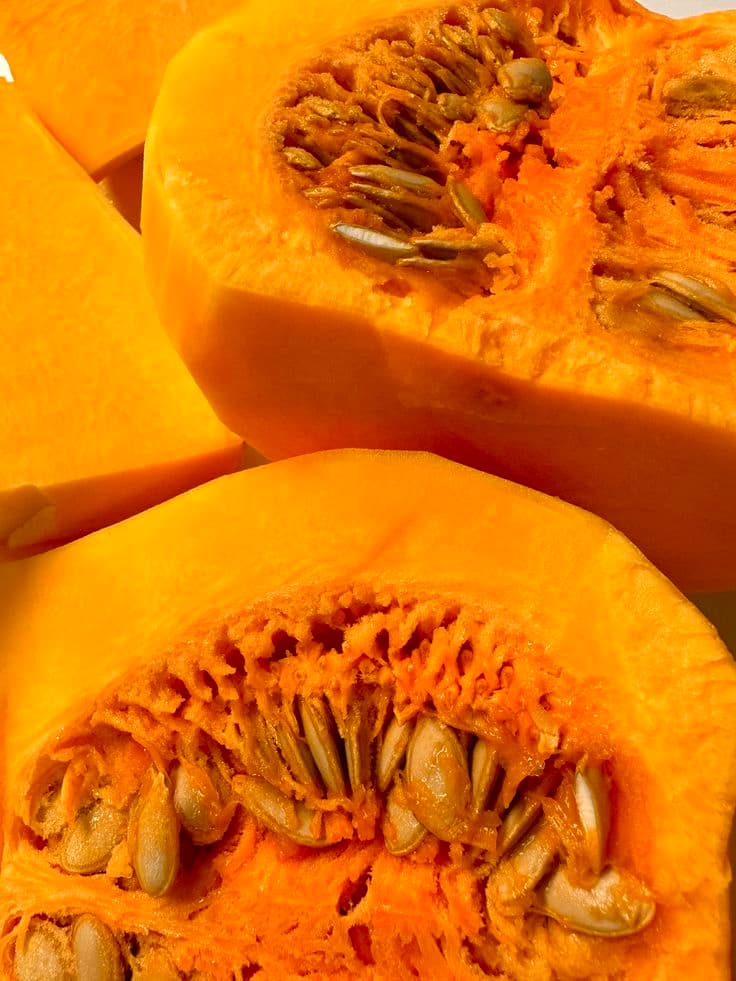
Autumn offers a wide choice of nutritious vegetables and fruits. Among them are peppers, pumpkin, carrots, beetroot, cabbage, Brussels sprouts, apples, pears, grapes and chokeberries (aronia).
Eating them regularly helps increase your intake of vitamins, minerals, fibre and a range of bioactive compounds. The point is not to credit individual foods with exceptional health properties, but to make use of the variety of plant foods available at a given time of year.
The WHO recommends eating at least 400 g of vegetables and fruits a day for everyone over 10 years of age [1]. Higher fruit and vegetable intake is also associated with a lower risk of cardiovascular disease and premature death [2].
Autumn is therefore a good moment to give them a bigger place in your daily diet.
Seasonality matters, but it is not the only criterion
Seasonal vegetables and fruits are usually easier to find, often taste good and can make it easier to vary your diet.
That does not mean frozen produce, or produce available outside its main harvest season, is less valuable. What matters most is eating vegetables and fruits regularly all year round.
In Poland, autumn is when you will most often find:
- peppers
- pumpkin
- carrots
- beetroot
- cabbage
- Brussels sprouts
- cauliflower
- broccoli
- apples
- pears
- plums
- grapes
- chokeberries.
Each of these foods brings a slightly different set of nutrients to your diet.
Peppers: one of the best sources of vitamin C
Vitamin C is most often associated with citrus fruit, but red bell pepper is also a very good source.
Half a cup of raw red pepper provides about 95 mg of vitamin C, an amount close to or even above the daily requirement of many adults [3].
Vitamin C supports normal immune function, collagen synthesis and the protection of cells against oxidative stress, and it increases the absorption of non-haem iron from plant foods [3].
That makes peppers a good addition to meals containing legumes, whole grains or seeds.
Vitamin C is sensitive to heat, so some of the vegetables that are good sources of it are worth eating raw as well.
Pumpkin and carrots: sources of carotenoids
The orange colour of pumpkin and carrots comes partly from carotenoids, including beta-carotene.
The body can convert beta-carotene into vitamin A, which is important for normal vision, immune function, and cell growth and differentiation [4].
Pumpkin also contains a lot of water and has a relatively low energy density, so it can add volume to a meal without adding many calories.
Carotenoids are fat-soluble, so it is worth combining pumpkin and carrots with a little olive oil, seeds, nuts or another source of fat.
In practice both vegetables work well in soups, sauces, curries, one-pot dishes, salads and roasted vegetables.
Cruciferous vegetables: vitamin C and glucosinolates
This group includes Brussels sprouts, cabbage, broccoli, cauliflower and kale, among others.
Brussels sprouts are a good source of vitamin C. Half a cup of cooked Brussels sprouts provides about 48 mg of it [3].
Cruciferous vegetables also contain glucosinolates, which the body can turn into compounds such as isothiocyanates and indoles. These compounds are being studied for their effects on inflammation, oxidative stress and mechanisms related to cell protection [5].
This does not mean cruciferous vegetables should be treated as medicine. Their value comes mainly from being part of a diet rich in a variety of plant foods.
Beetroot: nitrates and betalains
Beetroot is often associated with iron and being "good for the blood", but the more interesting parts of its composition are nitrates and betalains.
Dietary nitrates can feed into the pathway that produces nitric oxide, which affects, among other things, the widening of blood vessels and the regulation of blood flow [6].
That is why beetroot and beetroot juice are being studied intensively for their effects on blood pressure and physical performance.
Beetroot also provides betalains, pigments with antioxidant properties.
In everyday meals it can be roasted or boiled, or used in salads, sandwich spreads and soups.
Apples: fibre and polyphenols
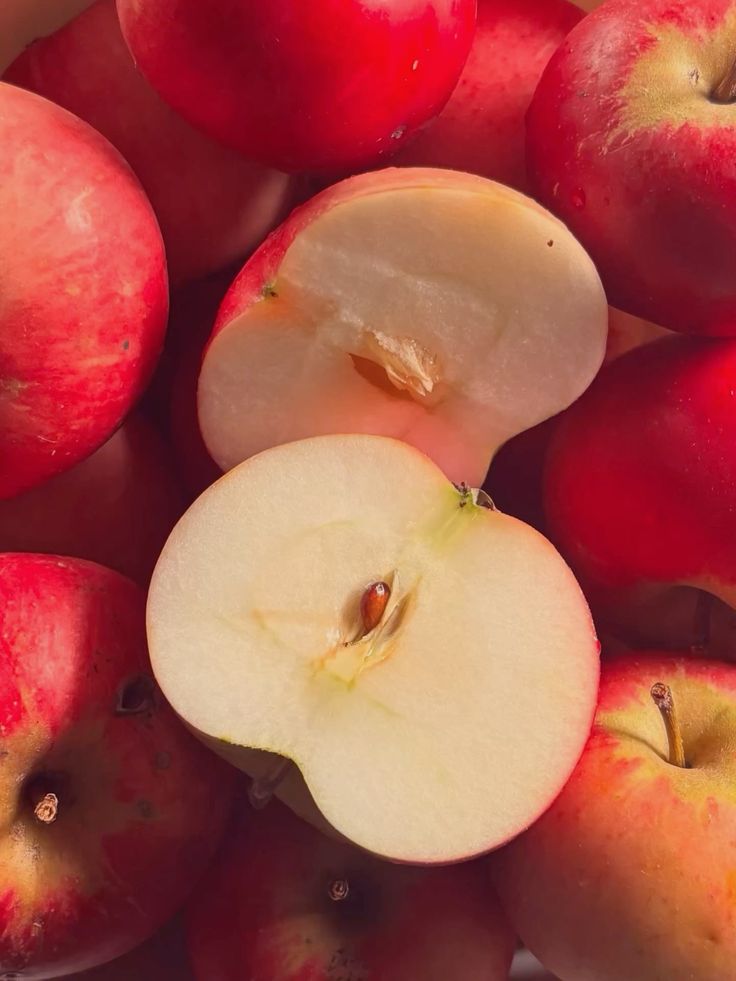
Apples are not a particularly rich source of vitamin C. Their nutritional value comes mainly from fibre and polyphenols.
Eating apples with the skin on may be especially beneficial, because the skin holds part of the fibre and polyphenols.
Fibre supports normal digestion, increases satiety and may have a beneficial effect on blood lipids and blood sugar.
That is why a whole apple will usually be a better everyday choice than apple juice, which contains much less fibre.
Pears: a simple source of fibre
Pears are also a good source of fibre.
A raw pear provides about 3 g of fibre per 100 g. It also contains polyphenols.
It is best eaten whole, if you tolerate it well, because that keeps the natural structure of the fruit and more of its fibre.
Pears can be added to porridge, yoghurt, salads and baked dishes, or eaten on their own as a snack.
Chokeberries: a source of polyphenols
Chokeberries (aronia) stand out for their high polyphenol content, including anthocyanins and procyanidins.
These are what give the berries their dark colour and characteristic astringent taste.
These compounds are being studied for their effects on oxidative stress, blood vessel function, blood lipids and inflammation. The findings are interesting, but they do not mean chokeberries should be treated as a therapeutic product.
They can, however, be a valuable addition to your daily diet, for example as berries added to porridge, yoghurt or homemade preserves.
Grapes: not just sugar
Grapes are sometimes unfairly seen as nothing more than a source of simple sugars.
Besides carbohydrates, they also provide polyphenols, including anthocyanins, flavonoids and stilbenes.
How much they contain depends on the variety, the colour of the fruit and growing conditions, among other things.
Grapes can therefore be part of a well-balanced diet. It is worth treating them as one of many fruits, not as a food to avoid only because of its natural sugar content.
Do you need to take vitamin C in autumn?
Autumn on its own is not a reason to take vitamin C supplements.
With a well-balanced diet, you can usually cover your vitamin C needs from food without much difficulty. Good sources include peppers, Brussels sprouts, broccoli, cabbage and parsley leaves.
For example, half a cup of red pepper can provide about 95 mg of vitamin C [3].
Eating vegetables and fruits regularly matters far more than routine "immune-boosting" supplements.
Why vary your vegetables and fruits?
Different foods provide different nutrients.
Pumpkin and carrots are sources of carotenoids, chokeberries provide anthocyanins, beetroot provides betalains and nitrates, and cruciferous vegetables provide glucosinolates.
So instead of focusing on one "healthiest" food, it is better to choose a range of vegetables and fruits over the course of the week.
That makes it easier to get a variety of vitamins, minerals, fibre and bioactive compounds.
How to use autumn produce in practice
Vegetables do not have to appear only as a side salad at dinner.
You can include them in different meals throughout the day.
Peppers, roasted beetroot or sauerkraut work well in sandwiches.
You can add an apple, a pear, plums or chokeberries to porridge or yoghurt.
Pumpkin, carrots, beetroot, Brussels sprouts or cabbage work well at lunch or dinner.
Root vegetables can go into soups and one-pot dishes.
Fruit can also be a simple snack between meals.
What matters most is that vegetables and fruits show up regularly and in different forms.
The key takeaway
Autumn offers a wide choice of foods that can easily raise the nutritional value of your diet.
Peppers provide plenty of vitamin C, pumpkin and carrots provide carotenoids, cruciferous vegetables provide glucosinolates, beetroot provides nitrates and betalains, and apples, pears, grapes and chokeberries provide fibre and various polyphenols.
There is no need to look for a single food with exceptional properties.
What matters most is eating a variety of vegetables and fruits regularly and treating them as a permanent part of your daily diet.
Frequently asked questions
Which vegetables are worth eating in autumn?
In autumn it is worth reaching for pumpkin, carrots, beetroot, peppers, cabbage, Brussels sprouts, broccoli, cauliflower, leeks, celeriac and parsley root, among others.
Which fruits are in season in autumn?
Typical autumn fruits include apples, pears, plums, grapes and chokeberries (aronia).
Which autumn vegetables are high in vitamin C?
Red pepper is a very good source. Brussels sprouts, broccoli, cabbage and cauliflower also provide vitamin C [3].
Is an apple a good source of vitamin C?
Apples are not particularly rich in vitamin C. Their value comes more from their fibre and polyphenol content.
Is it better to eat whole fruit or drink juice?
For everyday eating, whole fruit is the better choice, because it provides more fibre and is usually more filling than juice.
Does cooking destroy vitamins?
Some vitamins, especially vitamin C, are sensitive to high temperatures and long cooking. That does not mean vegetables should only be eaten raw. It is best to use a mix of cooking methods.
Are frozen vegetables less nutritious?
No. Frozen vegetables and fruits can still be a valuable part of your diet and help you eat plenty of plant foods outside their main season.
Should you take vitamin C supplements in autumn?
There is no need to do so just because of the time of year. With a balanced diet, you can usually cover your vitamin C needs from food.
How many vegetables and fruits should you eat a day?
The WHO recommends eating at least 400 g of vegetables and fruits a day for everyone over 10 years of age [1].
References
- World Health Organization (2026). Healthy diet. WHO. https://www.who.int/news-room/fact-sheets/detail/healthy-diet.
- Wang, D.D. et al. (2021). Fruit and Vegetable Intake and Mortality: Results From 2 Prospective Cohort Studies of US Men and Women and a Meta-Analysis of 26 Cohort Studies. Circulation, 143(17), 1642–1654. doi:10.1161/CIRCULATIONAHA.120.048996.
- National Institutes of Health, Office of Dietary Supplements (2026). Vitamin C: Fact Sheet for Health Professionals. https://ods.od.nih.gov/factsheets/VitaminC-HealthProfessional/.
- National Institutes of Health, Office of Dietary Supplements (2026). Vitamin A and Carotenoids: Fact Sheet for Health Professionals. https://ods.od.nih.gov/factsheets/VitaminA-HealthProfessional/.
- Baldelli, S. et al. (2025). Glucosinolates in Human Health: Metabolic Pathways, Bioavailability, and Potential in Chronic Disease Prevention. Foods, 14(6), 912. doi:10.3390/foods14060912.
- Milton-Laskibar, I. et al. (2021). Current Knowledge on Beetroot Bioactive Compounds: Role of Nitrate and Betalains in Health and Disease. Foods, 10(6), 1314. doi:10.3390/foods10061314.