
Honey for cough and colds: when can it actually help?

Sonia Biecka
Dietitian

Medical review: lek. Wojciech Sierocki
Content medically reviewed by an Optimals team physician.
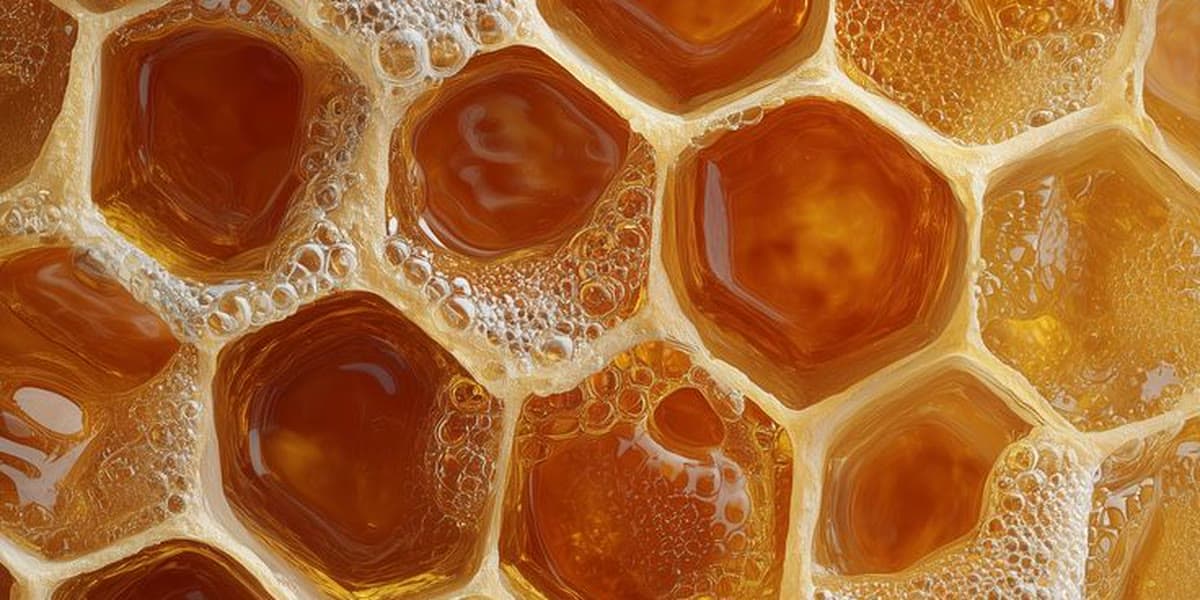
Tea with honey, warm milk with honey or simply a spoonful of honey before bed are among the best-known home remedies for a cold. Unlike many other "natural methods", though, honey has some support from clinical studies.
That does not mean it treats the infection. Most of the data concerns relieving acute cough, especially in children over 1 year of age. There is much less basis for claiming that honey shortens an infection, acts as an antiviral or prevents colds.
Does honey really help with cough?
A systematic review and meta-analysis published in 2021 looked at 14 studies on honey used during upper respiratory tract infections. Compared with usual care, honey was associated with less frequent and less severe coughing and a better overall symptom score.
Studies in children reached similar conclusions. A Cochrane review found that honey may reduce cough frequency more than no treatment or placebo. Newer analyses also suggest a possible improvement in night-time cough and sleep, although the quality of the available evidence is not always high.
| What honey may do | What has not been shown |
|---|---|
| reduce how often you cough | treat the cause of the infection |
| soothe an irritated throat | prevent colds |
| make nights more comfortable | work like an antibiotic |
| possibly improve sleep | reliably shorten the infection |
So the most accurate statement is that honey may help with symptoms, but it is not a cure for the infection.
Why might it work?
There is no single known mechanism behind the whole effect.
Honey is thick, it may coat the irritated lining of the throat, increase saliva production and briefly ease discomfort. Its sweet taste may also affect the cough reflex.
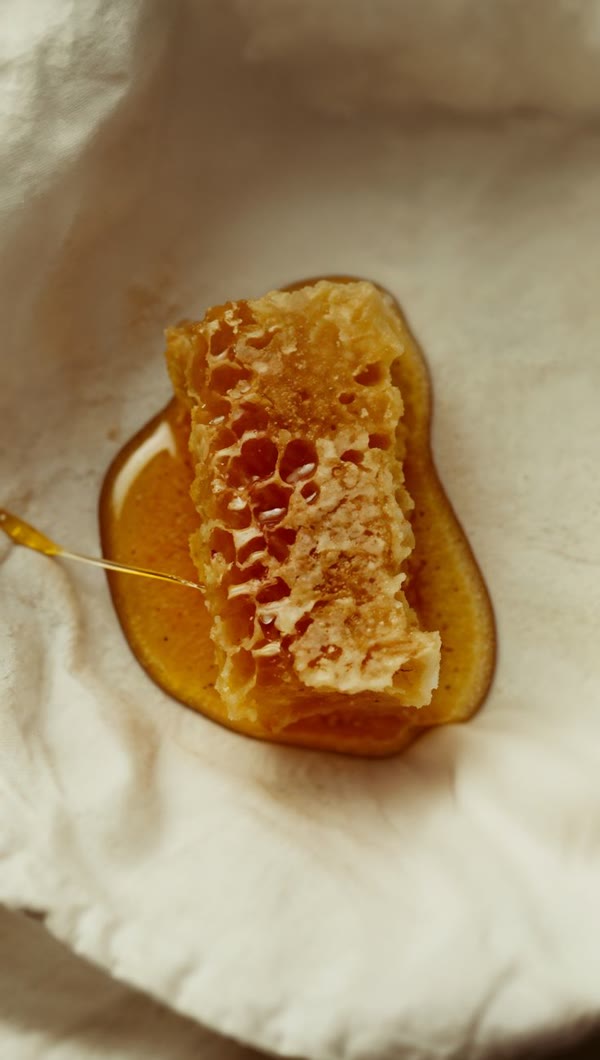
Honey also contains various biologically active compounds and shows antimicrobial properties in laboratory studies. That does not mean, however, that eating it will "fight off the virus" in your airways.
An effect seen in the lab and symptom relief in a person are two different things.
Honey for cough is not the same as honey "for immunity"
This is an important distinction.
Most studies involve people who already have an infection and a cough. It has not been shown that eating honey every day throughout autumn lowers the chance of getting sick. The same goes for most products on the "immunity" shelf, which we cover in more detail in immune supplements: do they work?
So what fits current knowledge much better is:
"honey may ease a cough during an infection"
rather than:
"honey boosts immunity and protects against colds".
How much honey should you take?
There is no single official dose.
Studies in children often used a small portion before bed, sometimes around 10 g. That does not mean a larger amount will work better.
Honey can be eaten on its own or added to a drink. More important than the exact temperature of the tea is that the drink is not very hot and does not further irritate a sore throat.
There is also no need to make a mixture of honey, garlic, ginger, lemon and several other ingredients. We have no evidence that such a combination relieves cough better than honey alone. We have separately looked at whether ginger for immunity really works.
Honey before bed
Evening use is exactly what many studies in children assessed.
Coughing often gets worse at night and makes it hard to fall asleep, for both the child and the parents. A small amount of honey before bed may reduce discomfort and improve rest.
That does not mean, however, that it should be given repeatedly throughout the night.
Important: no honey for children under 1 year
This is the most important safety rule.
Honey may contain Clostridium botulinum spores. In infants, they can lead to infant botulism.
That is why honey and products containing honey should not be given to children before 12 months of age.
This also applies to honey added to tea, water or food.
Honey is still a source of sugar
Being a natural product does not mean we can ignore its sugar content.
The WHO classifies the sugars in honey as free sugars. Honey should therefore be treated as an addition, not something eaten in large amounts without limit.
A teaspoon taken for a cough is a completely different situation from several large spoonfuls added to many drinks every day.
With frequent consumption, it is also worth keeping dental health in mind.
What about diabetes and insulin resistance?
Honey consists mainly of simple sugars and affects blood glucose levels.
It is not metabolically "better" just because it is natural.
A small amount can fit into the diet of someone with insulin resistance or diabetes, but it should still be counted as a source of carbohydrates.
Is manuka honey better?
There is not enough evidence to recommend manuka honey as a better choice for an ordinary cough.
It is studied intensively mainly for its antimicrobial properties and topical use, for example in wound care.
Studies on cough used different types of honey and do not clearly point to one best kind.
When is honey not enough?
Honey is a way to ease symptoms, not a treatment for every cause of cough.
See a doctor in particular if a cough comes with:
- shortness of breath,
- chest pain,
- coughing up blood,
- a very high or prolonged fever,
- a marked decline in how you feel overall,
- difficulty breathing,
- a cough that lasts several weeks.
Summary
Honey is one of the home remedies for colds that actually has some scientific evidence behind it.
Its best-documented effect is relieving acute cough, especially in the evening and at night.
That does not mean, however, that honey treats the infection, clears viruses from the body or protects against getting sick.
The most sensible approach?
Treat it as a simple way to ease discomfort while coughing, not as a cure for a cold.
Frequently asked questions
Does honey really help with cough?
Yes. Available studies show that honey may reduce the frequency and severity of acute cough and improve comfort, especially in children over 1 year of age. Most of the data concerns a small portion given in the evening, before bed.
Does honey cure a cold?
No. Honey eases symptoms such as cough and throat irritation, but it does not remove the cause of the infection. Eating honey every day has also not been shown to protect against getting sick.
Does honey shorten the illness?
There is not enough good-quality data to confirm this. Studies mainly show cough relief and better comfort, not a reliably shorter infection.
Can a one-year-old have honey?
Yes, from 12 months of age honey can be part of the diet. Before the first birthday it should not be given in any form, including in tea, water or food, because of the risk of infant botulism.
Does honey with lemon work better?
There is no good evidence that combining honey with lemon, ginger or garlic relieves cough more effectively than honey alone.
Is honey a natural antibiotic?
No. Its antimicrobial properties seen in the lab do not mean it can replace an antibiotic during a bacterial infection. An effect in a test tube and an effect in a person are two different things.
References
- Oduwole O., Udoh E.E., Oyo-Ita A., Meremikwu M.M. Honey for acute cough in children. Cochrane Database of Systematic Reviews. 2018;4:CD007094. doi:10.1002/14651858.CD007094.pub5
- Abuelgasim H., Albury C., Lee J. Effectiveness of honey for symptomatic relief in upper respiratory tract infections: a systematic review and meta-analysis. BMJ Evidence-Based Medicine. 2021;26(2):57–64. doi:10.1136/bmjebm-2020-111336
- Kuitunen I. et al. Honey for acute cough in children – a systematic review. European Journal of Pediatrics. 2023;182:3949–3956. doi:10.1007/s00431-023-05066-1
- National Institute for Health and Care Excellence. Cough (acute): antimicrobial prescribing (NG120). 2019. https://www.nice.org.uk/guidance/ng120
- Centers for Disease Control and Prevention. Foods and Drinks to Avoid or Limit. 2026. https://www.cdc.gov/infant-toddler-nutrition/foods-and-drinks/foods-and-drinks-to-avoid-or-limit.html