What to eat during an infection when you have no appetite

Sonia Biecka
Dietitian

Medical review: lek. Wojciech Sierocki
Content medically reviewed by an Optimals team physician.
A runny nose, fever, sore throat, weakness, and suddenly even your favourite dinner holds no appeal. Losing your appetite during an infection is common and part of the body's physiological response to illness.
That doesn't mean, however, that it's best to give up eating altogether during a cold or flu.
Your body still needs fluids, energy, protein, vitamins and minerals. This matters especially for children, older adults, people with low body weight and patients at risk of malnutrition.
It's not about forcing down a big meal, though. When your appetite is low, this rule works much better:
little, often and nourishing.

Why does your appetite drop during an infection?
Losing your appetite while ill is not a coincidence.
An infection triggers an immune response and leads to hormonal, inflammatory and metabolic changes. A reduced appetite can be one part of that reaction. The same goes for the extra sleepiness we wrote about in the piece on sleep and immunity.
For a day or two, this needn't be a cause for concern. The problem starts when the sick person eats very little for a longer time and at the same time begins to lose weight, grows weaker or also struggles to stay hydrated.
So there's no need to panic after one day of a poorer appetite, but fasting shouldn't be treated as a way to get over an infection faster either.
Is it better not to eat when you have a fever?
There's no basis for treating the popular saying "feed a cold, starve a fever" as a universal recommendation.
The body's response to infection depends on its type and severity, age, nutritional status and coexisting conditions. There's no need to force yourself to eat large portions, but there's no benefit in deliberately cutting back on food either.
If your appetite is weak, it's better to make portions smaller and come back to food several times a day.
What matters most when your appetite is low?
During a mild infection, it's worth focusing mainly on a few basics.
| Priority | What to focus on |
|---|---|
| Fluids | water, tea, soups, broths |
| Energy | small portions of easy-to-eat foods |
| Protein | yoghurt, skyr, eggs, quark (curd cheese), meat, fish, tofu |
| Vegetables and fruit | in whatever form is well tolerated |
| Regularity | a small meal or snack every few hours |
With a very small appetite, you don't have to start with a perfectly balanced plate. What matters more is getting energy and nutrients into your body at all.
Small portions instead of big meals
A full plate of dinner can be even more off-putting during an infection.
Instead of three large meals, you can have five or six much smaller ones.
For example, instead of a big dinner of meat, potatoes and salad, this may work better:
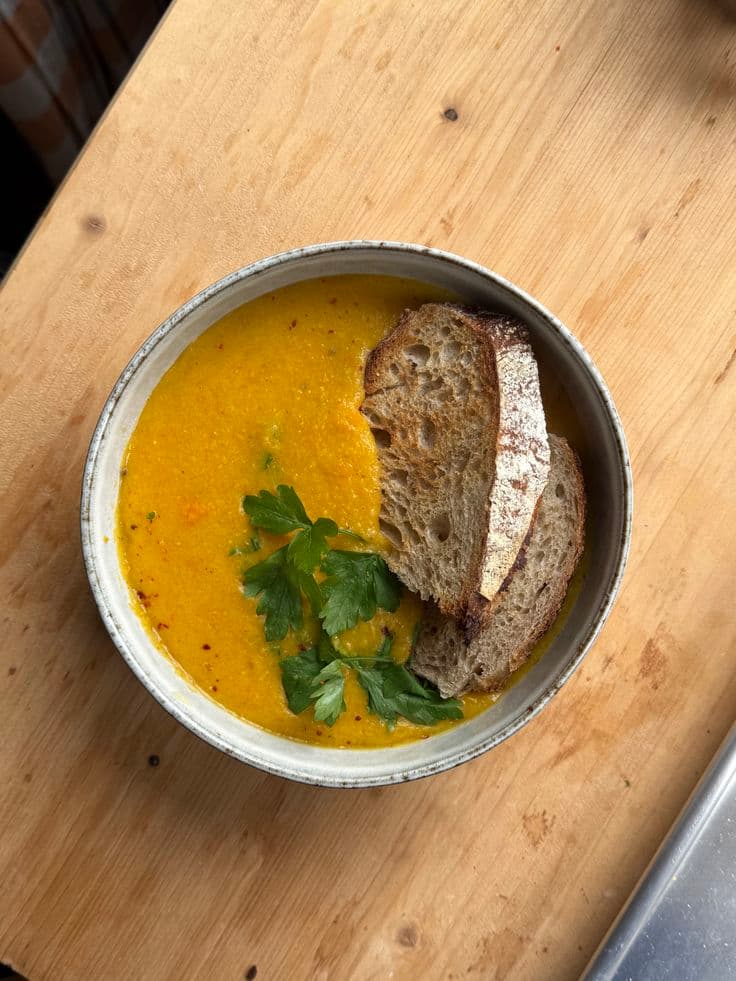
a small bowl of soup, later a yoghurt with a banana, a few hours after that an egg sandwich, and in the evening a small bowl of porridge.
This makes it easier to get enough energy without feeling overfull.
What can you eat during an infection?
There's no single ideal "cold menu". What matters most is what a given person is able to eat and tolerates well.
Good choices can include:
- chicken broth, cream soups, tomato soup, lentil soup,
- yoghurt, skyr, kefir, cottage cheese, quark,
- scrambled eggs, a soft-boiled egg, an omelette,
- rice, pasta, potatoes, bread, groats, oats,
- bananas, kiwis, mandarins, fruit purées,
- mashed potatoes or mashed vegetables,
- porridge, semolina, risotto,
- fish, tender meat, tofu,
- yoghurt- or milk-based smoothies.
There's no need to live on tea, rusks and broth alone for several days if your body tolerates normal food.
Pay particular attention to protein
When your appetite is low, the amount of protein in your diet often drops automatically too.
Yet protein is needed for the body to function properly, including the immune response and recovery.
That doesn't mean you have to count every gram during a short cold. It's worth making sure, though, that at least some of your small meals include a source of it.
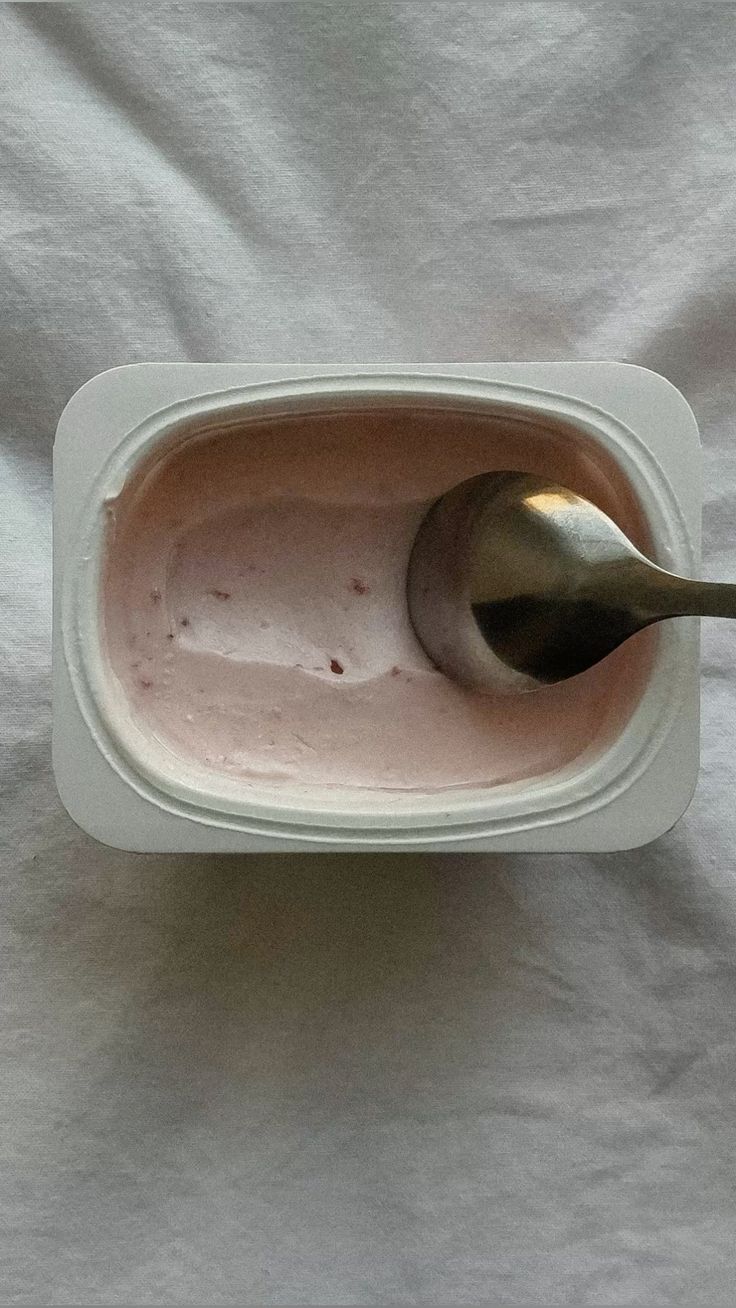
Instead of a banana on its own, you can have a banana with skyr. Instead of a plain cream soup, add yoghurt, tofu, lentils or meat. You can add an egg, quark or cottage cheese to a bread roll.
If drinking is easier than eating, a good option can be a yoghurt- or milk-based smoothie with a banana and a little peanut butter.
How to make a small meal more nourishing
If a portion has to stay small, it's worth boosting its energy and nutritional value.
You can add milk, yoghurt, peanut butter or ground nuts to porridge.
You can add olive oil, lentils, tofu, meat or yoghurt to a vegetable cream soup.
Mashed potatoes can be made with milk and a little olive oil or butter.
This way, even a small meal provides more energy and protein without having to eat a large volume.
Hydration during an infection
With a small appetite, it's also easy to drink less.
For most mild infections, these work well:
- water,
- tea,
- herbal infusions,
- soups and broths,
- milk,
- other well-tolerated drinks.
You don't need to drink several extra litres "to flush out the virus". The point is to stay properly hydrated. The same goes for ginger tea: it helps you take in fluids, but ginger doesn't cure an infection.
Fever, diarrhoea and vomiting need more attention, because fluid losses can then be much greater.
Do you need electrolytes for every infection?
No.
If a person is drinking and eating normally and isn't losing large amounts of fluid, extra electrolytes usually aren't needed.
They matter more with severe vomiting, diarrhoea or signs of dehydration. In those situations, oral rehydration solutions containing the right proportions of glucose and electrolytes may be more appropriate.
A sports drink is not the same thing as a dedicated oral rehydration solution.
What to eat with a sore throat
With a sore throat, the texture and temperature of a meal often matter more than what's in it.
Foods that are often well tolerated include:
- yoghurt or skyr,
- porridge,
- cream soup,
- mash,
- scrambled eggs,
- smoothies,
- bananas,
- cool or lukewarm foods.
Very hot dishes can irritate the throat further. For some people, very acidic foods, spicy seasoning or dry, hard snacks have a similar effect.
That doesn't make them "forbidden". But if they make the pain worse, it's worth cutting back on them for a while.
What if you feel nauseous?
If the mere smell of a hot dinner takes your appetite away, there's no point forcing yourself.
Small portions, cool or lukewarm food and mild-smelling foods often work better then.
That could be yoghurt, a banana, a small sandwich, porridge, mash, rice, soup or a smoothie.
Eat slowly and see what you personally tolerate.
Vegetables and fruit while you're ill
Vegetables and fruit are still a valuable part of the diet, but you don't have to force yourself to eat a big salad at all costs.
If raw foods don't appeal, you can choose:
- cream soup,
- vegetables in broth,
- mashed vegetables,
- fruit purée,
- a banana,
- a smoothie,
- roasted or boiled vegetables.
During a few days of illness, whether a meal can be eaten and is well tolerated matters more than sticking to an "ideal" menu.
Is juice or something sweet a problem?
A small amount of juice can be part of the diet, especially if your appetite is very weak and drinking something is easier than eating.
It shouldn't, however, replace water and all fruit.
The same goes for sweets. If someone fancies pudding, kissel, a slice of cake or ice cream while ill, there's no need to demonise it.
With a small appetite, getting energy in at all matters more.
Where possible, you can also make such a snack more nourishing, for example by making pudding with milk, pairing fruit with yoghurt or making cocoa with milk.
Is it worth reaching for supplements?
A few days of poor appetite is not an automatic reason to start supplementing vitamin C, zinc, selenium or a whole "immunity kit".
Vitamins and minerals are needed by the body, but they can't replace adequate energy, protein and fluid intake.
Supplementation should be matched to real needs and specific indications, not just to the fact that you've caught a cold. What is known about the individual ingredients is covered in our piece on immune supplements.
When are oral nutritional supplements needed?
For most healthy people with an infection lasting a few days, specialised oral nutritional supplements aren't necessary.
They can, however, matter for people at risk of malnutrition, especially:
- older adults,
- people with low body weight,
- patients with chronic illnesses,
- people who have recently lost weight,
- patients with a long-lasting lack of appetite.
In such situations, it's worth discussing nutrition on an individual basis.
A sample day with a poor appetite
| Time | Example |
|---|---|
| Morning | a small bowl of porridge made with milk, with a banana |
| Mid-morning | skyr or yoghurt |
| Lunch | a small portion of chicken broth with noodles and meat |
| Afternoon snack | smoothie: yoghurt + banana + peanut butter |
| Dinner | scrambled eggs with bread |
| Between meals | water, tea, other well-tolerated drinks |
If that's still too much, the portions can be even smaller.
When does a lack of appetite need more attention?
It's worth acting if the person:
- is practically unable to drink,
- vomits repeatedly,
- passes noticeably less urine,
- shows signs of dehydration,
- is losing weight quickly,
- has difficulty swallowing,
- is very weak or excessively drowsy,
- doesn't return to normal eating even as the infection improves.
Children, older adults and people already at risk of malnutrition need particular attention.
Frequently asked questions
Should you force yourself to eat during an infection?
No. It's better to choose small portions and come back to food every few hours. What matters most is hydration and gradually getting in energy and protein.
Is a day without appetite dangerous?
Usually not. A drop in appetite is a common reaction during an infection. What matters is whether the person can drink and whether their appetite returns over the following days. If they eat very little for longer, lose weight, grow weaker or struggle to stay hydrated, it needs more attention.
Is it better not to eat with a fever?
There's no basis for treating "feed a cold, starve a fever" as a universal recommendation. You don't need to force down large portions, but deliberately restricting food brings no benefit. With a weak appetite, it's better to eat smaller portions several times a day.
Do you need electrolytes when you have a cold?
Usually not. If someone is drinking and eating normally and isn't losing large amounts of fluid, extra electrolytes aren't needed. With severe vomiting, diarrhoea or signs of dehydration, oral rehydration solutions work better than sports drinks.
What should you eat with a sore throat?
Soft, cool or lukewarm foods are usually tolerated best: yoghurt, skyr, porridge, cream soup, mash, scrambled eggs, bananas and smoothies. Very hot, acidic, spicy or dry, hard foods can make the pain worse, so it's worth cutting back on them for a while.
References
- Govers C., Calder P.C., Savelkoul H.F.J., Albers R., van Neerven R.J.J. Ingestion, Immunity, and Infection: Nutrition and Viral Respiratory Tract Infections. Frontiers in Immunology. 2022;13:841532. doi:10.3389/fimmu.2022.841532
- Volkert D., Beck A.M., Cederholm T. et al. ESPEN practical guideline: Clinical nutrition and hydration in geriatrics. Clinical Nutrition. 2022;41(4):958–989. doi:10.1016/j.clnu.2022.01.024
- Jindal J., Hill J., Harte J., Dunachie S.J., Kronsteiner B. Starvation and infection: The role of sickness-associated anorexia in metabolic adaptation during acute infection. Metabolism. 2024;161:156035. doi:10.1016/j.metabol.2024.156035
- Sankararaman S., Venegas C., Seth S., Palchaudhuri S. "Feed a Cold, Starve a Fever?" A Review of Nutritional Strategies in the Setting of Bacterial Versus Viral Infections. Current Nutrition Reports. 2024;13(2):314–322. doi:10.1007/s13668-024-00536-w
- Wunderle C., Gomes F., Schuetz P. et al. ESPEN practical guideline: Nutritional support for polymorbid medical inpatients. Clinical Nutrition. 2024;43:674–691. doi:10.1016/j.clnu.2024.01.008
- Wunderle C., Gomes F., Schuetz P. et al. ESPEN guideline on nutritional support for polymorbid medical inpatients. Clinical Nutrition. 2023;42:1545–1568. doi:10.1016/j.clnu.2023.06.023
- Baldwin C., de van der Schueren M.A.E., Kruizenga H.M. et al. Dietary advice with or without oral nutritional supplements for disease-related malnutrition in adults. Cochrane Database of Systematic Reviews. 2021;12:CD002008. doi:10.1002/14651858.CD002008.pub5
- Walter E.J., Hanna-Jumma S., Carraretto M., Forni L. The pathophysiological basis and consequences of fever. Critical Care. 2016;20:200. doi:10.1186/s13054-016-1375-5
- Wensveen F.M., Šestan M., Polić B. The immunology of sickness metabolism. Cellular & Molecular Immunology. 2024;21(9):1051–1065. doi:10.1038/s41423-024-01192-4
- World Health Organization. Diarrhoeal disease. Fact sheet, 2024. https://www.who.int/news-room/fact-sheets/detail/diarrhoeal-disease