
Anti-inflammatory diet: concrete guidance or marketing slogan?

Sonia Biecka
Dietitian

Medical review: lek. Wojciech Sierocki
Content medically reviewed by an Optimals team physician.
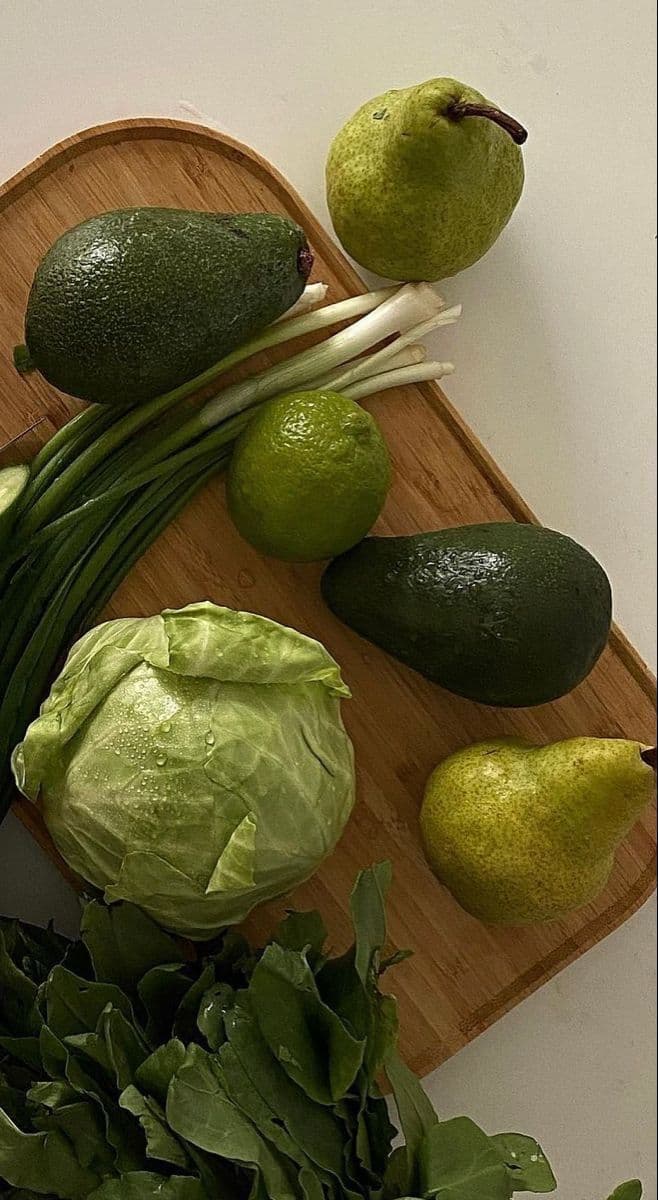
"Anti-inflammatory diet" sounds like a clearly defined way of eating. Online, however, the term covers very different recommendations: from the Mediterranean diet, through eliminating gluten and dairy, all the way to daily turmeric shots, fasts, detoxes and elaborate supplement stacks.
Which of these recommendations actually have a scientific basis?
The name "anti-inflammatory diet" does not refer to a single, officially defined meal plan. Nor is there a universal list of foods that trigger or extinguish inflammation in every person. In research, the term covers different interventions, most often based on a high intake of plant foods, fiber, unsaturated fatty acids and minimally processed food. The variety of these interventions makes it hard to compare results directly.
The best-documented example of a way of eating with a favorable effect on selected inflammatory markers is the Mediterranean diet. It does not work because it contains one miracle food, though. What matters is the whole dietary pattern and applying it regularly. For the same reason supplements will not replace a diet, even when a single ingredient has documented effects.
So it can be said that the "anti-inflammatory diet" has a concrete basis, but very often it is also used as a marketing slogan.
What actually is inflammation?
Inflammation is a natural response of the immune system. It helps the body respond to infection, injury or tissue damage.
Acute inflammation can present with pain, swelling, redness or fever. It is usually short-lived and is part of the normal process of defense and healing.
The problem can be chronic, persistent low-grade inflammation. It can accompany, among other things, atherosclerosis, obesity, type 2 diabetes and some chronic diseases. It is not, however, a separate diagnosis that can be recognized solely on the basis of fatigue, bloating or feeling worse.
The goal of good nutrition is not to completely "switch off" inflammation. That would be not only impossible but also undesirable, because inflammatory responses are needed to protect the body.
The goal is to limit factors that may promote a chronic, poorly regulated inflammatory process.
Can you measure your level of inflammation?
One of the most commonly performed tests is CRP, that is C-reactive protein. Its concentration can rise during infection, injury, a flare of inflammatory disease or other tissue damage.
CRP does not show, however, where the inflammation is located or what caused it. Nor is it a test that can determine whether a person follows an "inflammatory diet." The same is true of glucose and HbA1c parameters - they show the result, but not its only cause.
Research also analyzes parameters such as:
- hs-CRP,
- interleukin 6,
- interleukin 17,
- TNF-alpha,
- interleukin 10,
- adipokines,
- various markers of oxidative stress.
Most of these, however, are not routinely measured in a healthy person just to assess the quality of their diet.
What you should not do
You should not interpret a single, slightly elevated CRP as proof of intolerance to a particular food or a reason to start a "detox."
The result should be assessed in relation to:
- symptoms,
- a current infection,
- chronic diseases,
- medications used,
- body weight,
- smoking,
- other test results.
Does diet really affect inflammation?
Yes, but its action is more complex than supplement ads suggest.
The way you eat can affect, among other things:
- the amount of visceral fat tissue,
- glucose and insulin levels,
- the lipid profile,
- blood pressure,
- the composition of the gut microbiota,
- the production of short-chain fatty acids,
- oxidative stress,
- the function of blood vessels,
- the work of the immune system.
What matters, however, is the whole dietary pattern, not the presence or absence of a single food.
A meta-analysis of 33 randomized trials, covering 3476 people, showed that the Mediterranean diet reduced concentrations of hs-CRP, interleukin 6 and interleukin 17 compared with control diets. It did not, however, find a significant effect on all analyzed markers, including CRP, TNF-alpha, interleukin 10 and total antioxidant capacity. This shows that the effect is real, but does not apply to every marker and should not be presented as completely "extinguishing inflammation."
Anti-inflammatory diet: substance or marketing?
| Concrete recommendation | Marketing oversimplification |
|---|---|
| Increasing the amount of vegetables, fruit, legumes and whole grains | One food "switches off inflammation" |
| Replacing part of saturated fats with unsaturated fats | All plant fats are toxic |
| Eating fish, nuts and seeds regularly | Everyone needs an omega-3 supplement |
| Limiting large amounts of highly processed food | Every packaged product is inflammatory |
| Tailoring the diet to the disease and symptoms | Everyone should cut out gluten and dairy |
| Treating the underlying disease | Diet will replace anti-inflammatory drugs |
| Gradually improving the whole way of eating | A few-day detox will cleanse the body |
| Assessing real deficiencies | The more antioxidants in capsules, the better |
| Regular sleep, movement and not smoking | Drinking turmeric tea is enough |
| A long-term, sustainable plan | A restrictive 14- or 21-day protocol |
Which way of eating has the best support?
The most data concerns the Mediterranean diet.
It is not one strict meal plan. It is a way of eating based mainly on:
- vegetables,
- fruit,
- legumes,
- whole grains,
- nuts and seeds,
- olive oil and other sources of unsaturated fats,
- fish,
- moderate amounts of eggs, dairy and poultry,
- limited amounts of processed meat, sweets and highly processed products.
The American Heart Association indicates that the Mediterranean diet is consistent with recommendations for the prevention of heart disease and stroke. Similar features can also be found in properly balanced DASH, pescatarian, vegetarian or flexitarian models. Comparable rules apply in a diet for high blood pressure using the DASH model.
This means you do not have to recreate the cuisine of a specific country. A similar pattern can be built from locally available products:
- buckwheat groats,
- oat flakes,
- beans and lentils,
- cabbage,
- beetroot,
- carrots,
- seasonal fruit,
- nuts,
- seeds,
- rapeseed oil,
- fish.
The most important things are proportions and regularity, not exotic ingredients.
What to eat more often?
Vegetables and fruit
Vegetables and fruit provide fiber, vitamins, minerals and many bioactive compounds, such as polyphenols and carotenoids.
The WHO recommends that people over 10 years of age eat at least 400 g of vegetables and fruit a day. At the same time, it recommends at least 25 g of fiber coming naturally from food.
You do not have to choose only products described as "the most anti-inflammatory." Variety brings the benefits, as the autumn vegetables and fruits worth choosing show well.
It is worth rotating:
- leafy vegetables,
- cruciferous vegetables,
- tomatoes,
- peppers,
- carrots,
- beetroot,
- onion and garlic,
- berries,
- apples,
- citrus,
- plums,
- frozen fruit out of season.
Frozen and properly prepared canned products can also be a valuable part of the diet, especially if they do not contain a lot of sugar or salt.
Legumes
Beans, lentils, chickpeas, peas and soy provide fiber, plant protein, potassium, magnesium and bioactive compounds.
They can replace some meat, especially red and processed meat. Not every person has to eat legumes every day, but including them regularly in the diet is a feature of well-regarded ways of eating.
If you get bloating, it is worth:
- starting with small portions,
- choosing lentils, tofu or well-rinsed canned legumes,
- increasing the amount gradually,
- taking care of regular bowel movements and hydration.
Bloating after beans does not automatically mean that the product "causes inflammation."
Whole-grain products
Whole-grain products provide fiber, magnesium, B vitamins and bioactive compounds present in the bran and germ of the grain.
In practice these can be:
- oat flakes,
- buckwheat groats,
- pearl barley,
- wholemeal bread,
- whole-grain pasta,
- brown rice,
- rye,
- quinoa.
You do not have to choose only products with an ideally low glycemic index. What counts is the portion, the degree of processing, the whole meal and individual tolerance.
Nuts and seeds
Nuts and seeds provide unsaturated fatty acids, fiber, magnesium, vitamin E and polyphenols.
You can include in your daily diet:
- walnuts,
- almonds,
- hazelnuts,
- pumpkin seeds,
- sunflower seeds,
- flaxseed,
- chia seeds,
- sesame.
You do not have to buy mixes advertised as "anti-inflammatory superfood." Ordinary unsalted nuts and seeds serve the same function.
Fish
Fish, especially fatty sea fish, provide EPA and DHA. These acids take part in regulating inflammatory processes, but a single portion of fish or a capsule does not neutralize the effects of the whole diet.
It is worth rotating, among others:
- salmon,
- sardines,
- herring,
- mackerel,
- trout.
Omega-3 supplementation may have specific indications, but it is not a mandatory element of every diet described as anti-inflammatory.
Unsaturated fats
A diet that supports health does not require eliminating fat. The source is more important.
In practice it is worth more often choosing:
- olive oil,
- rapeseed oil,
- nuts,
- seeds,
- avocado,
- fish.
The WHO and the American Heart Association recommend replacing part of saturated fats with unsaturated vegetable oils. There is no basis for automatically treating all seed oils as products that cause inflammation.
The problem may instead be frequent consumption of fried foods, salty snacks and highly processed food in which oil comes together with a lot of energy, salt and refined carbohydrates.
What is worth limiting?
Highly processed products
A higher intake of ultra-processed food is, in observational studies, associated with many unfavorable health outcomes. Research is still ongoing into how much of the risk comes from processing itself, and how much from high energy density, low fiber content, added sugar, salt, an unfavorable product structure and how easy it is to overeat.
It is worth limiting above all products such as:
- sweetened drinks,
- sweets eaten daily,
- salty snacks,
- processed meat,
- some fast food dishes,
- products that provide a lot of energy but little fiber and nutrients.
Not every ready-made product is automatically harmful, though. Frozen vegetables, canned beans, plain yogurt, bread or cooked packaged rice can be part of a well-balanced diet.
Processed meat
Frequent consumption of sausages, hot dogs, bacon, salami and other processed meat products is not characteristic of ways of eating linked with the best health outcomes.
This does not mean that a single sandwich with cold cuts will cause inflammation. What matters is frequency, amount and what processed meat replaces in the diet.
Large amounts of free sugars
The problem is not fruit or a small amount of sugar added to a single meal. Regularly consuming the following matters much more:
- sweetened drinks,
- energy drinks,
- large amounts of juices,
- sweets,
- sweetened dairy products,
- confectionery.
The WHO recommends that free sugars provide less than 10% of energy, and further reduction below 5% may bring additional health benefits.
Excess alcohol
Alcohol is not a necessary element of the Mediterranean or anti-inflammatory diet. It is not worth starting to drink it for the sake of resveratrol or presumed heart benefits.
Limiting alcohol can help with controlling body weight, blood pressure, sleep, blood glucose and liver health.
Do you have to cut out gluten?
No, unless there is a specific reason for it.
A gluten-free diet is necessary in celiac disease. It may also be needed in wheat allergy or properly diagnosed non-celiac sensitivity.
There is, however, no basis for every person with Hashimoto, PCOS, insulin resistance, acne, joint pain or fatigue to eliminate gluten preventively.
Whole-grain products containing gluten can provide fiber, vitamins and minerals. After cutting them out, the diet does not automatically become healthier. The effect depends on what they are replaced with.
If celiac disease is suspected, diagnostics should be done before starting a gluten-free diet. Eliminating gluten can lower antibody levels and make it harder to confirm the disease.
Does dairy cause inflammation?
Not in every person.
A meta-analysis of 53 randomized trials on milk proteins did not show a significant increase in CRP, TNF-alpha, leptin or other major markers. A slight reduction in interleukin 6 was observed, but the overall effect of milk proteins on inflammatory markers was small.
Dairy may require limiting or modification in the case of:
- milk protein allergy,
- lactose intolerance,
- some diseases of the digestive tract,
- an individually observed worsening of symptoms.
Lactose intolerance, however, is not inflammation. It results from an insufficient amount of the enzyme needed to digest lactose and can present with bloating, abdominal pain or diarrhea.
Instead of complete elimination, choosing lactose-free products or a smaller, well-tolerated portion is often enough.
And what about nightshades?
Tomatoes, peppers, potatoes and eggplants are sometimes eliminated in popular anti-inflammatory protocols because of the alkaloids they contain.
There is, however, no basis for every healthy person or every patient with an autoimmune disease to preventively remove all nightshades.
If a specific person observes recurring complaints after a particular product, it is worth assessing:
- the portion size,
- the way of preparation,
- the other ingredients of the meal,
- the repeatability of the reaction,
- a possible disease of the digestive tract.
Simply belonging to the nightshade family does not mean that a product causes chronic inflammation.
Are Dietary Inflammatory Index measurements useful?
The Dietary Inflammatory Index, that is DII, is a tool developed to assess the potential effect of the whole diet on inflammatory processes. It uses data on the intake of various components and their relationship with inflammatory markers.
Observational studies show that higher DII scores, corresponding to a more pro-inflammatory dietary pattern, are associated with a greater risk of cardiovascular events and cardiovascular deaths. A 2025 meta-analysis covering 30 cohort studies and more than 669 thousand people showed higher risk in the groups with the highest DII score.
This does not mean, however, that a consumer needs a paid test or an app calculating the "inflammation index" of every meal.
DII is primarily a research tool. It does not serve to diagnose disease, intolerance or an individual level of inflammation.
What does a genuinely anti-inflammatory plate look like?
| Meal element | Practical examples |
|---|---|
| Vegetables | Salad, roasted vegetables, soup, frozen mix |
| Protein source | Fish, eggs, poultry, tofu, beans, lentils, dairy |
| Complex carbohydrates | Groats, potatoes, whole-grain pasta, rice, bread |
| Unsaturated fats | Olive oil, rapeseed oil, nuts, seeds, avocado |
| Flavor additions | Herbs, garlic, onion, ginger, spices |
| Drink | Water, tea, coffee without a lot of sugar |
Not every meal has to contain all the "superfoods." An ordinary dinner of groats, baked fish and salad may fit the goals of an anti-inflammatory diet better than an expensive shake with powders and extracts.

Practical swaps
| Instead of | Choose more often |
|---|---|
| A sweetened drink | Water, tea, water with fruit |
| Plain white bread | Whole-grain or rye bread |
| Cold cuts at every meal | Eggs, bean paste, fish, baked poultry |
| Sweets as a daily snack | Fruit, yogurt, nuts or a planned portion of dessert |
| Fried fast food dishes | Baked, boiled or home-cooked dishes |
| Butter as the only source of fat | Olive oil, rapeseed oil, nuts and seeds |
| Meat at every dinner | Legumes, tofu or fish on some days |
| A small amount of vegetables | Vegetables in at least two or three meals |
| Fruit juice | Whole fruit |
| A "detox" supplement | Regular, nutritious meals |
Do spices matter?
Herbs and spices are a source of many bioactive compounds and help limit the amount of salt without losing flavor.
It is worth using, among others:
- garlic,
- onion,
- ginger,
- turmeric,
- cinnamon,
- oregano,
- thyme,
- rosemary,
- paprika,
- pepper,
- fresh herbs.
Spices should not, however, be presented as treatment for inflammatory diseases. Ginger is a good example: its constituents lower some inflammatory markers in studies, but there is no evidence that it protects against infections. We cover this in more detail in ginger for immunity: does it really work?.
Turmeric used in dishes can be part of a varied diet. High doses of turmeric and curcumin extracts in supplements are not equivalent to seasoning food. Rare cases of liver damage associated with preparations containing turmeric or curcuminoids have been described, especially in forms that increase bioavailability.
Are supplements needed?
There is no set of supplements that should automatically be taken for "chronic inflammation." If you do reach for a specific preparation, though, it is worth knowing how to assess the quality of a dietary supplement.
Supplementation may make sense in the case of:
- a confirmed deficiency,
- low intake of specific products,
- a specific disease,
- a medical indication,
- absorption problems,
- periods of increased demand.
Frequently advertised supplements include:
- omega-3,
- curcumin,
- vitamin D,
- magnesium,
- resveratrol,
- quercetin,
- probiotics,
- green tea extract.
Each of them has a different profile of action, safety and interactions. Combining several plant extracts without a clear indication may increase the risk of side effects, strain the budget and divert attention from the basic elements of the diet.
Anti-inflammatory diet and autoimmune diseases
Autoimmune diseases do not arise solely from consuming "inflammatory foods." They are complex diseases associated with genetic predisposition, immune system regulation and environmental factors.
Diet can:
- support the overall nutritional status,
- help control body weight,
- reduce cardiovascular risk,
- make it easier to correct deficiencies,
- improve the work of the digestive tract,
- support the treatment of symptoms.
It does not, however, replace drugs that modify the course of the disease or specialist care.
Depending on the diagnosis, more detailed recommendations may be needed, for example:
- a gluten-free diet in celiac disease,
- modification of fiber during a flare of inflammatory bowel disease,
- adjusting protein intake in kidney disease,
- limiting sodium in heart failure,
- individual management in food allergies.
A universal elimination protocol is not appropriate for all autoimmune diseases.
Does weight loss act anti-inflammatory?
Fat tissue, especially visceral fat, is metabolically active and can produce substances associated with chronic inflammation.
In a person with an excess of fat tissue, its gradual reduction can improve metabolic parameters and some inflammatory markers. This does not mean, however, that every person with a higher body weight should follow a very restrictive diet.
The most important things are:
- a moderate energy deficit,
- protecting muscle mass,
- an adequate amount of protein,
- regular activity,
- resistance training,
- sleep,
- the ability to maintain the habits.
An aggressive diet can lead to muscle loss, deficiencies, a worsened relationship with food and later weight regain.
Food is only one element
Inflammatory processes can also be linked with:
- smoking,
- insufficient activity,
- chronic lack of sleep,
- untreated sleep apnea,
- stress,
- diseases of the oral cavity,
- infections,
- visceral obesity,
- abnormal blood glucose,
- high LDL,
- an underlying disease.
The American Heart Association indicates that regular movement, adequate sleep, not smoking and treating risk factors are just as important as a proper way of eating.
There is no point in buying anti-inflammatory shots while at the same time ignoring chronic sleep problems, smoking, low activity or an untreated disease.
How to assess your diet without a special test?
| Question | What might a "yes" answer suggest? |
|---|---|
| Do I eat vegetables or fruit several times a day? | An adequate intake of fiber and bioactive compounds |
| Do I regularly eat legumes? | A greater share of plant protein and fiber |
| Do I choose whole-grain products? | Better carbohydrate quality |
| Do I eat nuts or seeds? | More unsaturated fats and magnesium |
| Do fish appear regularly? | An intake of EPA, DHA and complete protein |
| Is most of my fluid intake water? | A smaller amount of free sugars |
| Do I eat cold cuts and processed meat only occasionally? | A more favorable overall dietary pattern |
| Are sweets an addition, not the basis of the diet? | Better control of quality and energy value |
| Do I eat enough, instead of constantly starving myself? | A lower risk of deficiencies and binge eating |
| Can I maintain the plan for the coming months? | A greater chance of a real benefit |
If most of the answers are affirmative, the diet probably already has many features described as anti-inflammatory, even if it does not contain ginger, curcumin or exotic superfoods.
The most common misconceptions
| Belief | How it really is |
|---|---|
| Inflammation is always harmful | An acute inflammatory response is needed for defense and healing |
| One food causes chronic inflammation | The whole dietary pattern and individual situation matter |
| Everyone should cut out gluten | Elimination is needed for specific indications |
| Dairy is always pro-inflammatory | Studies do not confirm such an effect in everyone |
| Seed oils are toxic | Recommendations support replacing saturated fats with unsaturated ones |
| Fruit contains too much sugar | Whole fruit also provides fiber and many nutrients |
| Curcumin replaces drugs | It is not a treatment for disease and can interact |
| A detox removes inflammation | The body does not need a juice cleanse |
| The more antioxidants, the better | High doses of supplements are not the same as compounds from food |
| CRP will show which foods harm me | CRP is a nonspecific marker and does not identify a food product |
Frequently asked questions
Is there one official anti-inflammatory diet?
No. The term covers various ways of eating that share features such as a high intake of plant foods, fiber and unsaturated fats and a low intake of highly processed food. The most data concerns the Mediterranean diet, but properly balanced DASH, flexitarian, vegetarian and other models based on minimally processed products can have similar features.
Can diet cure chronic inflammation?
It depends on the cause. If elevated markers are linked with an excess of fat tissue, abnormal blood glucose or low diet quality, a change in lifestyle can clearly improve the results. If the cause is an infection, an autoimmune disease, cancer or another disease, proper treatment is needed. Diet alone does not remove the cause.
Is it worth testing CRP before starting a diet?
Not in every person. CRP is done in a specific clinical context. It is not a test needed to start a healthier way of eating and does not serve to assess tolerance of individual products. An elevated result should be discussed with a doctor, because it can have many causes.
Is an anti-inflammatory diet an elimination diet?
It does not have to be. In most cases it is more about adding vegetables, legumes, whole grains, nuts and fish and gradually limiting some highly processed products. Eliminations are needed in the case of allergy, celiac disease, selected intolerances or other specific indications.
Do you have to cut out sugar completely?
No. The goal does not have to be absolute zero sugar. What matters is limiting the regular consumption of sweetened drinks, sweets and other sources of large amounts of free sugars. A small amount of added sugar does not cancel out the overall quality of the diet.
Is fruit anti-inflammatory, even though it contains sugar?
Yes, whole fruit is a recommended element of a healthy way of eating. Besides naturally occurring sugars, it provides fiber, vitamins, potassium and polyphenols. Whole fruit should not be treated the same as a sweetened drink.
Do tomatoes and potatoes cause inflammation?
There is no basis for every person to eliminate nightshades. If a specific product repeatedly causes symptoms, it is worth assessing individual tolerance. One reaction should not be transferred to the whole group of vegetables or to all people.
Do you have to cut out dairy with Hashimoto?
Not automatically. Hashimoto in itself is not an indication for eliminating dairy. Limiting it may be needed in the case of allergy, lactose intolerance or other individual indications.
Do you have to cut out gluten with Hashimoto?
Not every person with Hashimoto needs a gluten-free diet. Celiac disease occurs more often in people with autoimmune thyroid diseases, so with appropriate symptoms or risk factors it is worth carrying out diagnostics. A diagnosis of Hashimoto alone does not mean, however, that gluten must be eliminated.
Is coffee pro-inflammatory?
In most healthy people moderate coffee consumption can be part of a proper diet. The problem may be a very large amount of caffeine, worsened sleep, heart palpitations, reflux or a lot of sugar and syrups added to the drink.
Can you eat meat?
Yes. A diet that supports health does not have to be completely plant-based. It is worth limiting processed meat and not basing every meal on a large portion of red meat. You can rotate fish, poultry, eggs, dairy, tofu and legumes.
Is a vegan diet always anti-inflammatory?
No. A vegan diet can be nutritious and based on vegetables, legumes, whole grains, nuts and seeds. It can also be built mainly from sweets, fried snacks and highly processed substitutes. Quality is decided by the composition of the whole diet, not by giving up animal products alone.
Is a ketogenic diet anti-inflammatory?
It cannot be considered the best anti-inflammatory diet for the whole population. It may be useful in specific medical indications, but its long-term quality depends on the choice of fats, vegetables, fiber and protein. Poorly planned, it can contain a lot of saturated fat and little fiber.
Does intermittent fasting act anti-inflammatory?
Intermittent fasting can help some people limit snacking and energy intake. The benefits often come from improved body weight and diet quality, not from a special "reset" of the immune system. It is not necessary, does not work in everyone and may be inadvisable in eating disorders, pregnancy, low body weight or when taking certain drugs.
Is turmeric enough to make a diet anti-inflammatory?
No. Turmeric can be a valuable spice, but it does not compensate for a low amount of vegetables, a lack of fiber, smoking, sleep deprivation or frequent consumption of highly processed food. High doses of extracts are not necessary and can rarely cause liver problems.
Is it worth taking omega-3?
It depends on the way of eating and the indication. A person who does not eat fish can discuss supplementation with a doctor or dietitian. The dose of EPA and DHA, the quality of the preparation, the drugs taken and the goal of supplementation matter. Omega-3 does not replace the whole way of eating.
Does a probiotic act anti-inflammatory?
There is no single probiotic suitable for everyone. The effect depends on the specific strain, the dose and the health problem. The term "anti-inflammatory probiotic" without a stated strain and indication is primarily a marketing slogan.
Do you have to eat only organic products?
No. Vegetables, fruit, whole grains and legumes remain valuable regardless of whether they have an organic certificate. Choosing organic products may depend on budget and preference, but it is not a condition of following a good diet.
How long before a diet starts to work?
Changes do not happen after one meal. Some parameters, such as post-meal blood glucose, can improve quickly. A change in the lipid profile, body weight, blood pressure and inflammatory markers usually requires weeks or months of consistent action.
Will a single 'inflammatory meal' ruin the effects?
No. Health depends above all on a repeatable pattern, not on one dessert, burger or family gathering. Excessive focus on the perfect purity of the diet can lead to fear of food and unnecessary restrictions.
How to start without a revolution?
A good start can be adding vegetables to dinner and supper, swapping one meat meal a week for legumes, choosing whole-grain bread, including a handful of nuts, limiting sweetened drinks, planning fish, using olive oil or rapeseed oil more often and preparing two simple meals in advance. You do not have to change everything in one day.
Summary
An anti-inflammatory diet is not a completely empty slogan. There are concrete dietary patterns that can improve selected inflammatory markers and reduce the risk of metabolic and cardiovascular diseases.
The most data concerns the Mediterranean diet and similar models based on:
- vegetables and fruit,
- legumes,
- whole grains,
- nuts and seeds,
- fish,
- unsaturated fats,
- a small amount of processed meat,
- a limited amount of sweetened drinks and highly processed food.
Marketing begins when the term "anti-inflammatory" is used to sell restrictive protocols, tests, shots, supplements and eliminations without specific indications.
Not every person has to cut out gluten, dairy, tomatoes, potatoes, fruit or vegetable oils. There is also no single food that extinguishes inflammation on its own.
What matters most is the whole way of eating, the amount and distribution of fat tissue, activity, sleep, not smoking and proper treatment of existing diseases.
A good anti-inflammatory diet is usually less spectacular than the internet suggests. It is based on simple products, regularity and habits that can be maintained for many months.
This material is educational and does not replace a medical or dietary consultation. Elevated CRP, unexplained symptoms or suspected inflammatory disease require proper diagnostics.
References
- Keshani M. et al. Mediterranean Diet Reduces Inflammation in Adults: A Systematic Review and Meta-analysis of Randomized Controlled Trials. Nutrition Reviews. 2025. doi:10.1093/nutrit/nuaf213.
- Law L. et al. Effect of Anti-inflammatory Diets on Health-related Quality of Life in Adults with Chronic Disease: A Systematic Review and Meta-analysis. BMJ Nutrition, Prevention & Health. 2025;8(1):e001257. doi:10.1136/bmjnph-2025-001257.
- Zelicha H. et al. Altered Proteome Profiles Related to Visceral Adiposity May Mediate the Favorable Effect of Green Mediterranean Diet: The DIRECT-PLUS Trial. Obesity. 2024;32(7):1245–1256. doi:10.1002/oby.24036.
- Ni Y., Yao Q., Xu T., Li X. Dietary Inflammatory Index and Cardiovascular Risk and Mortality: An Updated Systematic Review and Meta-analysis. Frontiers in Cardiovascular Medicine. 2025;12:1626523. doi:10.3389/fcvm.2025.1626523.
- Dai S. et al. Ultra-processed Foods and Human Health: An Umbrella Review and Updated Meta-analyses of Observational Evidence. Clinical Nutrition. 2024;43(6):1386–1394. doi:10.1016/j.clnu.2024.04.016.
- Maki K.A., Sack M.N., Hall K.D. Ultra-processed Foods: Increasing the Risk of Inflammation and Immune Dysregulation? Nature Reviews Immunology. 2024;24:453–454. doi:10.1038/s41577-024-01049-x.
- Mohammadi S. et al. Impacts of Supplementation with Milk Proteins on Inflammation: A Systematic Review and Meta-analysis. Inflammopharmacology. 2025;33(3):1061–1083. doi:10.1007/s10787-024-01615-8.
- World Health Organization. Healthy Diet. Fact sheet, updated 26 January 2026. (who.int)
- American Heart Association. What Is the Mediterranean Diet? heart.org, last reviewed 15 May 2024.
- American Heart Association. Simple Ways to Reduce Inflammation and Protect Your Heart. AHA News, 8 December 2025.
- MedlinePlus. C-Reactive Protein (CRP) Test. Updated 11 June 2025. (medlineplus.gov)
- Akhtar N. et al. Rarely Reported Cases of Hepatotoxicity Associated with Turmeric- and Curcuminoid-containing Dietary Supplements: A Comprehensive Review by USP. Pharmaceutical Biology. 2026;64(1):866–901. doi:10.1080/13880209.2026.2693375.