
Ginger for immunity: does it really work? What the research says

Sonia Biecka
Dietitian

Medical review: lek. Wojciech Sierocki
Content medically reviewed by an Optimals team physician.
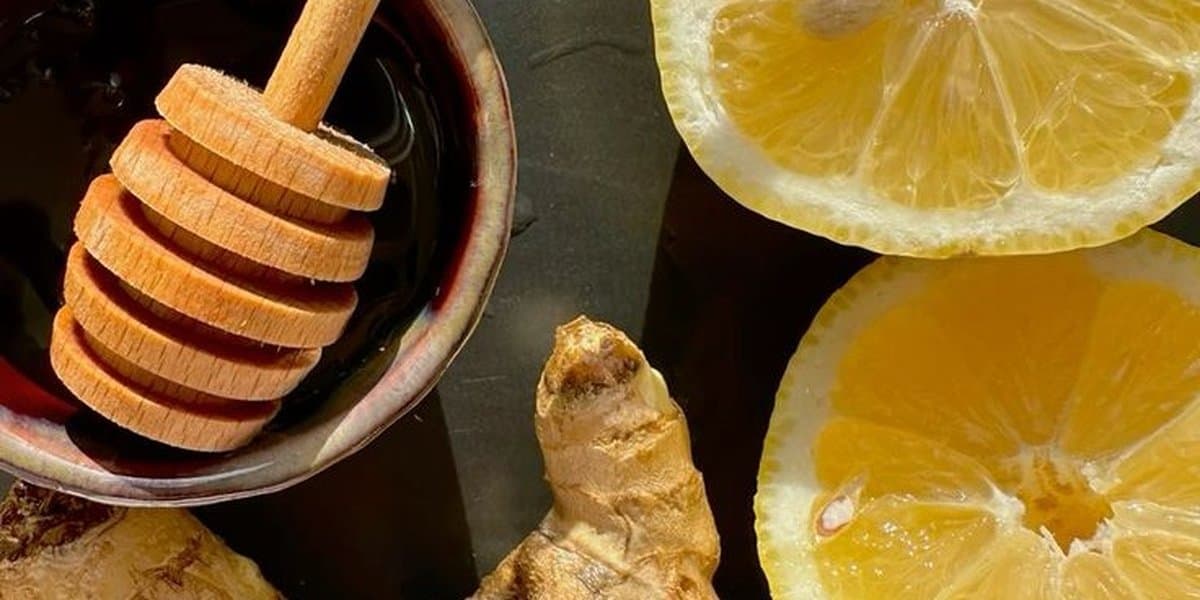
Especially in autumn and winter, ginger is almost automatically associated with immunity. We add it to tea, brew it with lemon and honey, and supplements containing ginger extract are often advertised as a way to "strengthen the body".
Can ginger really improve immunity?
Research shows that the compounds in ginger can influence inflammatory processes, oxidative stress and the function of certain immune cells. That does not mean, however, that ginger acts as a shield against infections, or that drinking ginger tea regularly will prevent a cold. The same goes for vitamin D, the supplement autumn talks about most: its job is preventing deficiency, not warding off an infection.
It is worth separating the biologically justified effects of ginger from what marketing often attributes to it.
What is actually in ginger?
Ginger, Zingiber officinale, contains many biologically active compounds. The most frequently studied are:
- gingerols
- shogaols
- paradol
- zingerone
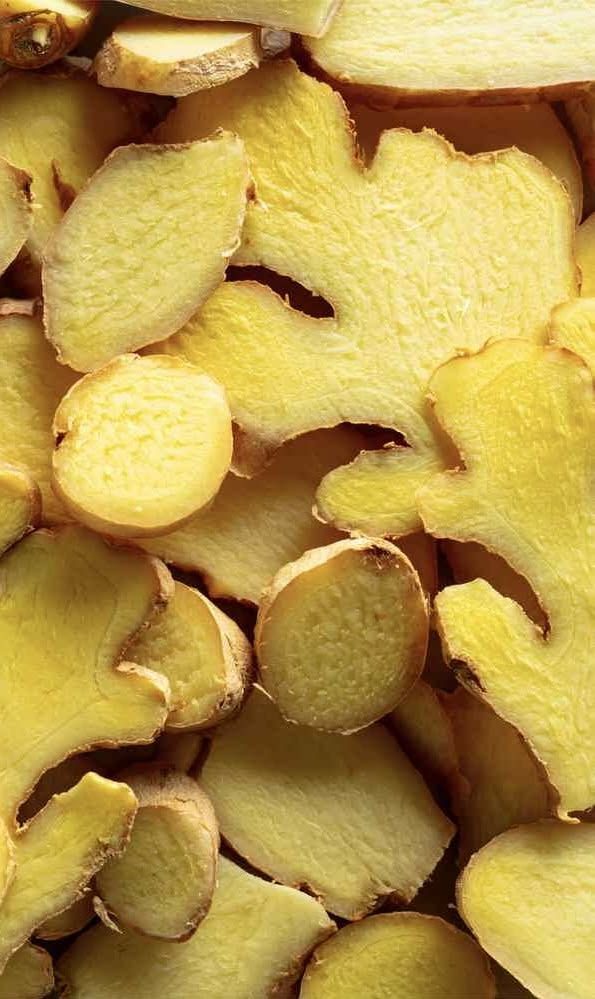
Particular attention is paid to 6-gingerol and 6-shogaol. These are the compounds responsible for part of the anti-inflammatory and antioxidant properties attributed to ginger.
Their action, however, is not a simple matter of "boosting immunity". The immune system is far more complex than that. In a healthy body the goal is not for it to work as hard as possible, but for it to respond appropriately when needed and then be able to switch the inflammatory response off.
That is why, in the case of ginger, it is more accurate to speak of a potential immunomodulatory effect than of boosting immunity.
Ginger and inflammation
Inflammation is one of the basic mechanisms of the immune system. It is needed, among other things, to fight infection and to heal damaged tissue.
The problem arises when low-grade inflammation persists over time. We write more about how the overall way of eating affects such chronic inflammation in our article on the anti-inflammatory diet.
The compounds in ginger can influence the cellular pathways responsible for generating the inflammatory response. Studies point, among other things, to effects on the NF-κB pathway and on the production of certain pro-inflammatory cytokines. They may also affect the activity of macrophages, neutrophils, dendritic cells and T lymphocytes.
Importantly, some of these observations come from laboratory and animal studies. Not every mechanism observed in a cell can automatically be translated into a clinical effect in humans.
We do, however, also have studies in people.
A meta-analysis of randomised clinical trials published in 2020 found that ginger supplementation was associated with reductions in, among others, CRP, hs-CRP and TNF-α, markers linked to inflammatory processes. The results for individual markers were not entirely consistent, though, and there was considerable heterogeneity between studies.
A more recent meta-analysis covering 29 randomised trials also showed favourable changes in CRP, TNF-α and IL-6, as well as in some markers of oxidative stress.
These are interesting findings, but lowering an inflammatory marker is not the same as getting infections less often.
What about oxidative stress?
Reactive oxygen species are produced in the body all the time. This is a natural part of metabolism.
The problem begins when their production exceeds the capacity of the body's antioxidant systems. This is what we call oxidative stress, which can affect cell membranes, proteins and DNA, among other things.
The compounds in ginger can act on antioxidant systems, including through the Nrf2 pathway. Reviews of the research point to a possible reduction in some markers of oxidative stress and an increase in the body's total antioxidant capacity.
From the point of view of immunity this matters, because oxidative stress and inflammation are closely linked.
Once again, though, this does not mean that a single product can "fix" immunity.
Does ginger protect against colds?
Here the answer is far less spectacular.
There is currently a lack of good-quality clinical trials showing that regular ginger consumption reduces the risk of colds, flu or other common respiratory infections.
Some laboratory studies suggest antiviral activity of individual ginger constituents, but a laboratory study is not evidence that drinking ginger tea will prevent an infection in a person.
This difference is well illustrated by a randomised clinical trial in people with COVID-19. Ginger extract did not significantly increase viral clearance or improve most of the clinical parameters assessed compared with placebo.
So the claim that "ginger kills viruses" or "prevents infections" goes decidedly too far.
So is ginger still worth eating?
Absolutely.
Ginger can be a valuable part of a well-balanced diet. It provides bioactive compounds with potential anti-inflammatory and antioxidant effects, and at the same time enriches the flavour of meals without adding large amounts of sugar or salt.
You can add it to, among other things:
- tea and infusions
- porridge
- smoothies
- soups
- curries
- stir-fries
- sauces and marinades
- homemade dressings
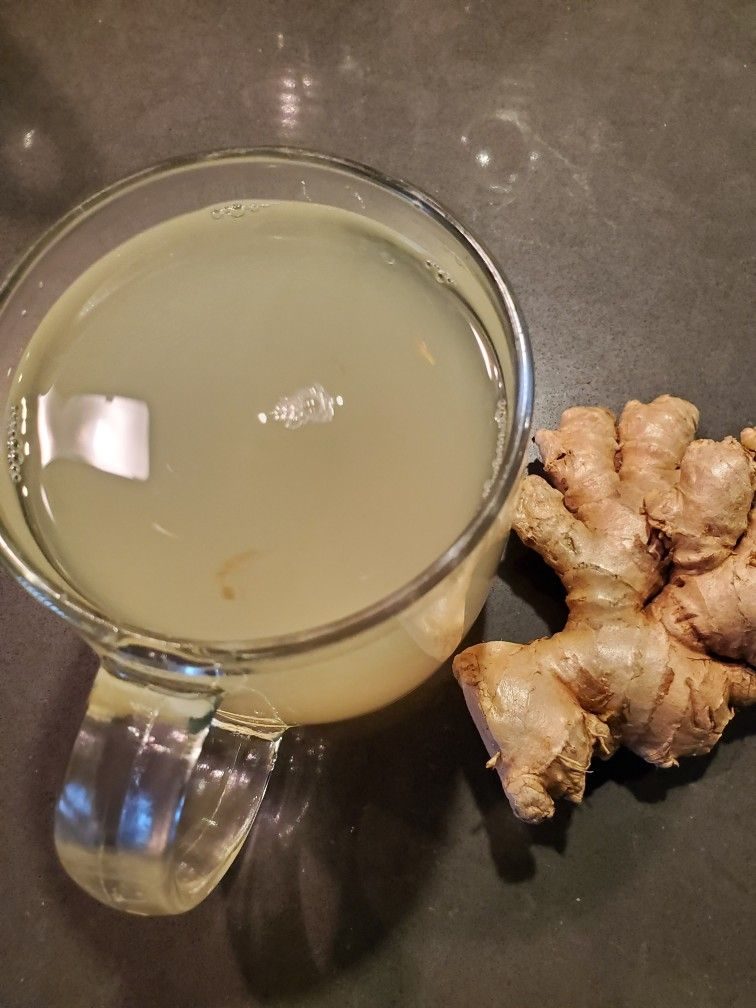
There is also no need to drink the popular "immunity shots". From a health point of view, the overall way of eating matters far more than a single large dose of ginger.
Fresh, powdered or a supplement?
Clinical trials very often use standardised preparations or supplements containing a defined amount of ginger. You therefore cannot assume that a cup of tea will have exactly the same effect as the dose used in a study.
For everyday use, however, there is no need to reach for a supplement.
Fresh or dried ginger is best treated primarily as part of the diet, not as a medicine.
Supplementation is different from using a small amount of spice while preparing meals and may call for more caution. If you are still considering an extract product, it is worth knowing how to assess the quality of a dietary supplement, because with botanical raw materials you need to confirm not only the content of the compounds but also the identity of the raw material.
Does more ginger mean better immunity?
No.
The body needs an adequate supply of energy, protein, vitamins, minerals and essential fatty acids. Sleep, physical activity, recovery, chronic stress, vaccinations and overall health also matter.
Ginger can be one of many elements supporting a healthy diet, but it will not replace these foundations. Nor will any single product, for that matter: we wrote about this at greater length in our article on whether supplements can replace diet.
Who should be cautious?
Ginger consumed in the amounts typically found in food is well tolerated by most people.
With larger amounts or supplementation, the following may occur, among others:
- heartburn
- abdominal discomfort
- diarrhoea
- irritation of the mouth or throat
People taking medicines, especially those affecting blood clotting, should discuss the use of larger amounts of ginger or supplements with a doctor or pharmacist. Caution is also advised in pregnancy and in some gastrointestinal conditions.
Frequently asked questions
Does ginger really strengthen immunity?
There is not enough evidence to say that ginger directly "strengthens immunity". Its constituents can influence the inflammatory response, oxidative stress and the function of certain immune cells. It is therefore more accurate to speak of a potential immunomodulatory effect.
Does ginger prevent colds?
There is currently no strong clinical evidence that regular ginger consumption reduces the risk of catching a cold. Laboratory studies on antiviral activity are not sufficient to draw that conclusion.
Is it worth drinking ginger tea during an infection?
You can drink it if it is well tolerated. A warm drink can be a pleasant part of the diet during illness and help with fluid intake. Ginger should not, however, be treated as a treatment for the infection or a substitute for prescribed therapy.
Is ginger anti-inflammatory?
Clinical trials indicate that ginger supplementation can affect some markers of inflammation, including CRP and TNF-α. The results are mixed, however, so ginger should not be treated like an anti-inflammatory drug.
Is fresh ginger better than powdered?
Both forms contain biologically active compounds, but their profile may differ. You do not need to choose one specific form to "improve immunity". Both fresh and dried ginger can be used in the everyday diet.
Does a ginger shot boost immunity?
There is no evidence that a concentrated ginger shot offers particular immune benefits compared with adding ginger to a normal diet. In ready-made shots it is also worth paying attention to the juice and sugar content.
Can you eat ginger every day?
For most healthy people, small amounts of ginger used in food are safe. Larger amounts may cause heartburn, gastrointestinal discomfort or diarrhoea in some people.
Is it worth supplementing ginger for immunity?
Current research gives no basis for routinely recommending ginger supplementation to healthy people solely to improve immunity. Taking care of the overall diet and the other elements of lifestyle matters far more.
References
- Ayustaningwarno F., Anjani G., Ayu A.M., Fogliano V. A critical review of Ginger's (Zingiber officinale) antioxidant, anti-inflammatory, and immunomodulatory activities. Frontiers in Nutrition. 2024;11:1364836. doi:10.3389/fnut.2024.1364836
- Jalali M. et al. The effects of ginger supplementation on markers of inflammatory and oxidative stress: A systematic review and meta-analysis of clinical trials. Phytotherapy Research. 2020;34(8):1723–1733. doi:10.1002/ptr.6638
- Morvaridzadeh M. et al. Effect of ginger (Zingiber officinale) on inflammatory markers: A systematic review and meta-analysis of randomized controlled trials. Cytokine. 2020;135:155224. doi:10.1016/j.cyto.2020.155224
- Pázmándi K., Szöllősi A.G., Fekete T. The "root" causes behind the anti-inflammatory actions of ginger compounds in immune cells. Frontiers in Immunology. 2024;15:1400956. doi:10.3389/fimmu.2024.1400956
- Safa O. et al. The efficacy and safety of ginger (Zingiber officinale) rhizome extract in outpatients with COVID-19: A randomized double-blind placebo-control clinical trial. Medicine. 2024;103(22):e38289. doi:10.1097/MD.0000000000038289
- National Center for Complementary and Integrative Health. Ginger: Usefulness and Safety. National Institutes of Health, 2025. https://www.nccih.nih.gov/health/ginger