GLP-1: how the hormone that regulates appetite and blood sugar works

Sonia Biecka
Dietitian

Medical review: lek. Wojciech Sierocki
Content medically reviewed by an Optimals team physician.

GLP-1 is a hormone that has become very well known in recent years. That is down to the drugs used to treat type 2 diabetes and obesity, such as semaglutide and liraglutide.
GLP-1 itself, however, is not a drug but a hormone that our body produces naturally. It is released mainly after a meal and helps to control blood sugar levels, appetite and the feeling of fullness.
You could say that GLP-1 is one of the signals that lets the body "know" we have just eaten and do not need another portion of food right away.
What is GLP-1?
GLP-1, or glucagon-like peptide 1, is a hormone produced mainly in the intestines.
Its secretion increases after a meal, especially when the food contains carbohydrates, fats or protein.
Once released, GLP-1 sends information to several organs, including:
- the pancreas,
- the stomach,
- the liver,
- the brain.
Thanks to this, the body can better handle glucose after a meal and adjust appetite to the amount of food it has received.
Natural GLP-1, however, acts very briefly. It is broken down in the body within just a few minutes.
How does GLP-1 affect blood sugar?
After a meal, some of the carbohydrates are broken down into glucose, which enters the blood. In response, the pancreas starts to produce insulin.
Insulin helps to move glucose from the blood into the cells, where it can be used as a source of energy. When the cells stop responding to it properly, insulin resistance develops, which makes it harder to control blood sugar after a meal.
GLP-1 supports this process in several ways.
It increases insulin secretion
GLP-1 helps the pancreas release more insulin when glucose levels are elevated.
It acts mainly when the body actually needs the extra insulin. When blood sugar is low, its effect becomes weaker.
That is why drugs that act similarly to GLP-1, when used on their own, usually do not cause sharp drops in blood sugar.
The risk of hypoglycemia can, however, increase if they are combined with insulin or some other antidiabetic drugs.
It reduces glucagon secretion
Glucagon is a hormone that encourages the liver to release glucose into the blood.
After a meal, a large amount of glucose already enters the body from food. At that point, additional release from the liver is not always needed.
GLP-1 helps to limit glucagon secretion, which can make blood sugar after a meal easier to control.
It slows down gastric emptying
GLP-1 also makes food pass a little more slowly from the stomach into the intestines.
As a result, glucose from a meal does not reach the blood as quickly, and the rise in blood sugar can be gentler.
This mechanism can also help the feeling of fullness last longer after eating.
How does GLP-1 affect appetite?
Besides the digestive system, GLP-1 also acts on the brain.
It helps to signal that the body has already received food. Thanks to this, it can:
- reduce the feeling of hunger,
- bring on satiety sooner,
- make it easier to finish a meal,
- reduce portion size,
- limit frequent thinking about food.
In some people using drugs that act on the GLP-1 receptor, the so-called "food noise" also decreases.
This is a colloquial term describing a situation in which someone often thinks about food, plans their next meals or feels a strong urge to snack, even when they are not physically hungry.
Is GLP-1 a satiety hormone?
You could say so, but GLP-1 is not the only hormone that controls appetite.
Hunger and satiety are also influenced by, among others:
- ghrelin,
- leptin,
- insulin,
- other gut hormones,
- stomach stretching,
- sleep,
- stress,
- emotions,
- habits,
- the availability of tasty food.
Appetite is therefore regulated by many overlapping signals.
GLP-1 is one of the more important parts of this system, but it does not account for everything.
How does natural GLP-1 differ from drugs?
Natural GLP-1 is a hormone the body produces on its own. Its action, however, is very short.
Drugs such as semaglutide and liraglutide were designed to mimic the action of GLP-1, but to act much longer.
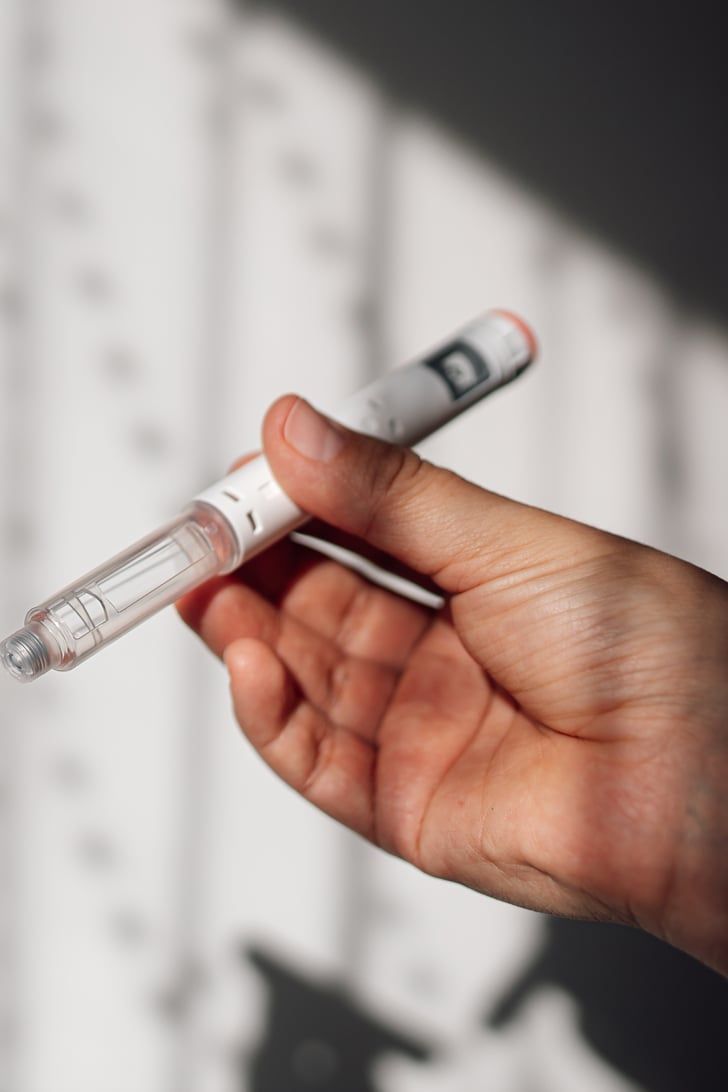
They are called GLP-1 receptor agonists. This means that they bind to the receptor, that is, the place in the body that the natural hormone normally acts on.
This group includes, among others:
- semaglutide,
- liraglutide,
- dulaglutide,
- exenatide.
Some of these drugs are used to treat type 2 diabetes, others to treat obesity. Some may have both indications, but at different doses or under a different brand name.
Is tirzepatide also GLP-1?
Tirzepatide acts similarly, but it is not a classic drug that affects only the GLP-1 receptor.
It acts on two receptors at once:
- GLP-1,
- GIP.
Both belong to the system of gut hormones related to the control of glucose and appetite.
For this reason, tirzepatide is called a dual GIP and GLP-1 receptor agonist.
Why do GLP-1 drugs help with weight loss?
Drugs in this group do not burn fat tissue directly.
Their main action is to reduce appetite and make it easier to eat less food.
A person using such a drug may:
- feel less hungry,
- feel full sooner,
- eat smaller portions,
- snack less often,
- think about food less intensely.
If they consume less energy over a longer period of time, body weight may gradually decrease.
The effects, however, are not the same for everyone. They depend, among other things, on the type of drug, the dose, the duration of treatment, the state of health and the individual response of the body.
Can you increase GLP-1 naturally?
The body releases GLP-1 after eating. Its production can be stimulated by various components of a meal, including:
- protein,
- fats,
- carbohydrates,
- fibre.
In practice, satiety and a proper post-meal response are supported by meals containing:
- a source of protein,
- vegetables,
- whole grain products,
- legumes,
- healthy fats,
- products that are as unprocessed as possible.
This does not mean, however, that a specific food product works the same way as a drug.
Natural GLP-1 is broken down within a few minutes. Drugs act for many hours, and some even for several days.
That is why terms such as "natural Ozempic" are usually a catchy marketing slogan rather than a precise description of how food works.
Can GLP-1 levels be tested?
In theory, GLP-1 can be measured in the blood, but it is not a standard test done when insulin resistance, obesity or increased appetite are suspected.
The result of such a test usually says little without a broader context.
Appetite is influenced by many factors, and the concentration of a single hormone alone does not explain why someone often feels hungry or has difficulty losing weight.
What are the side effects of GLP-1 drugs?
The most common side effects concern the digestive system. We cover them in detail in a separate article on GLP-1 side effects, together with the symptoms that need medical advice.
The following may appear:
- nausea,
- a feeling of fullness,
- bloating,
- belching,
- heartburn,
- diarrhoea,
- constipation,
- vomiting,
- abdominal pain.
These complaints often appear at the start of therapy or after a dose increase.
For this reason, treatment usually starts with a smaller dose, which is then gradually increased.
Strong nausea or vomiting does not mean the drug is working better. It can lead to dehydration, malnutrition or the need to change the dose.
Who should take particular care?
Drugs acting on the GLP-1 receptor should be used under a doctor's supervision.
People who require particular assessment include, among others, those:
- with serious diseases of the digestive tract,
- with disorders of gastric emptying,
- with gallbladder diseases,
- who have had pancreatitis,
- using insulin,
- with advanced diabetic retinopathy,
- planning a pregnancy,
- who are pregnant or breastfeeding,
- preparing for a procedure under anaesthesia.
Contraindications may differ depending on the specific preparation.
Can you lose muscle during treatment?
Yes. During a larger reduction in body weight, the body usually loses not only fat, but also part of the fat-free body mass, including muscle.
This is not unique to GLP-1 drugs. A similar phenomenon can occur during any rapid reduction in body weight.
The risk of muscle loss increases when someone:
- consumes very few calories,
- eats too little protein,
- does not do strength training,
- loses weight quickly,
- is older or has a low baseline muscle mass.
That is why during treatment it is worth taking care of:
- an adequate amount of protein,
- regular strength training,
- proper hydration,
- a well-balanced diet,
- control over the rate of weight reduction.
Besides lowering the number on the scale, the goal should be to preserve strength and fitness.
What happens after stopping the drug?
After stopping the drug, appetite may increase again.
In some people, this leads to regaining part of the previously lost body weight.
This does not mean the treatment was ineffective. The mechanism that previously reduced hunger simply stops working.
Obesity is a chronic disease, and the body often defends itself against weight loss by increasing appetite and reducing energy expenditure.
That is why the decision to end therapy is worth discussing with a doctor and planning the next steps in advance.
Do you still need to take care of diet and exercise during treatment?
Yes.
A drug can make it easier to control appetite, but it does not replace a healthy lifestyle.
The diet should still provide:
- protein,
- fibre,
- vitamins,
- minerals,
- an adequate amount of energy.
Physical activity, in turn, helps to:
- protect muscles,
- improve fitness,
- support heart health,
- improve insulin sensitivity,
- maintain physical capacity.
Drug treatment, diet and exercise should not compete with each other. The best results usually come from combining them.
Summary
GLP-1 is a natural hormone produced mainly in the intestines after a meal.
It helps the body to:
- secrete insulin,
- limit glucagon secretion,
- slow down gastric emptying,
- control blood sugar,
- reduce hunger,
- increase the feeling of fullness.
Drugs that mimic its action can be effective in treating type 2 diabetes and obesity, because they act much longer than the natural hormone.
They are not, however, supplements or a quick weight-loss method for everyone. They should be used under a doctor's supervision and form part of a broader plan that includes proper nutrition, physical activity, protection of muscle mass and regular health monitoring.
Frequently asked questions
What does the abbreviation GLP-1 mean?
GLP-1 stands for glucagon-like peptide 1. It is a hormone produced mainly in the intestines after a meal.
Is GLP-1 insulin?
No. GLP-1 is not insulin, but it helps the pancreas secrete insulin when blood sugar is elevated.
When is GLP-1 released?
Its level rises after eating, especially after a meal containing carbohydrates, fat or protein.
Is semaglutide a hormone?
No. Semaglutide is a drug that mimics part of the action of natural GLP-1.
Can GLP-1 drugs cause hypoglycemia?
Used on their own, they usually carry a low risk of causing hypoglycemia. The risk may increase if they are taken together with insulin or some other antidiabetic drugs.
Can everyone use GLP-1 drugs?
No. These are prescription drugs and should be used only after medical qualification.
Can you become addicted to GLP-1 drugs?
They do not cause classic addiction. After stopping them, however, a greater appetite may return, because the drug stops working.
Can body weight increase after stopping the drug?
Yes. In some people, part of the lost body weight is regained. This is due, among other things, to appetite increasing again.
Is there a "natural Ozempic"?
There is no food product or supplement that works the same way as semaglutide. Some products may increase satiety, but their action is much weaker and shorter.
Do you need to eat protein during treatment?
Yes. An adequate protein intake helps to protect muscles during weight reduction.
Is strength training worthwhile while using GLP-1 drugs?
Yes. Strength training helps to limit the loss of muscle mass and supports the maintenance of physical fitness.
Do GLP-1 drugs have to be used for life?
There is no single answer for everyone. The duration of treatment depends on the indication, the effects, the side effects and a decision made together with a doctor.
References
- Müller TD, Finan B, Bloom SR, et al. Glucagon-like peptide 1 (GLP-1). Molecular Metabolism. 2019;30:72–130. doi:10.1016/j.molmet.2019.09.010.
- Drucker DJ. Mechanisms of action and therapeutic application of glucagon-like peptide-1. Cell Metabolism. 2018;27(4):740–756. doi:10.1016/j.cmet.2018.03.001.
- Holst JJ. The physiology of glucagon-like peptide 1. Physiological Reviews. 2007;87(4):1409–1439. doi:10.1152/physrev.00034.2006.
- Nauck MA, Quast DR, Wefers J, Meier JJ. GLP-1 receptor agonists in the treatment of type 2 diabetes: state-of-the-art. Molecular Metabolism. 2021;46:101102. doi:10.1016/j.molmet.2020.101102.
- Davies MJ, Aroda VR, Collins BS, et al. Management of hyperglycemia in type 2 diabetes, 2022: a consensus report by the ADA and the EASD. Diabetes Care. 2022;45(11):2753–2786. doi:10.2337/dci22-0034.
- Wilding JPH, Batterham RL, Calanna S, et al. Once-weekly semaglutide in adults with overweight or obesity. New England Journal of Medicine. 2021;384:989–1002. doi:10.1056/NEJMoa2032183.
- Jastreboff AM, Aronne LJ, Ahmad NN, et al. Tirzepatide once weekly for the treatment of obesity. New England Journal of Medicine. 2022;387:205–216. doi:10.1056/NEJMoa2206038.
- Rubino D, Abrahamsson N, Davies M, et al. Effect of continued weekly subcutaneous semaglutide vs placebo on weight loss maintenance in adults with overweight or obesity. JAMA. 2021;325(14):1414–1425. doi:10.1001/jama.2021.3224.
- Wilding JPH, Batterham RL, Davies M, et al. Weight regain and cardiometabolic effects after withdrawal of semaglutide: the STEP 1 trial extension. Diabetes, Obesity and Metabolism. 2022;24(8):1553–1564. doi:10.1111/dom.14725.
- Lincoff AM, Brown-Frandsen K, Colhoun HM, et al. Semaglutide and cardiovascular outcomes in obesity without diabetes. New England Journal of Medicine. 2023;389:2221–2232. doi:10.1056/NEJMoa2307563.