
GLP-1 side effects: what is common and what needs medical advice?

Sonia Biecka
Dietitian

Medical review: lek. Wojciech Sierocki
Content medically reviewed by an Optimals team physician.

Medicines acting on the GLP-1 receptor are used in the treatment of type 2 diabetes and obesity. This group includes semaglutide, liraglutide, dulaglutide and exenatide, among others. Tirzepatide, which acts on both the GIP and GLP-1 receptors, is usually discussed in the same context.
These medicines can improve glycaemic control, reduce appetite, increase satiety and support weight loss. Their effect on the digestive tract is also responsible for most of their adverse effects.
Nausea, a feeling of fullness, diarrhoea and constipation are common, especially at the start of treatment and after a dose increase. They are usually mild or moderate and gradually subside. Severe abdominal pain, persistent vomiting, signs of dehydration or sudden vision changes, on the other hand, should not be treated as a normal part of adaptation.
The goal of treatment is not to function despite constant complaints. Therapy should be effective, but also possible to continue safely.
Why do GLP-1 medicines cause digestive symptoms?
These medicines affect appetite regulation, insulin secretion and the rate of gastric emptying. Satiety may appear sooner, and food may stay in the stomach longer than before treatment.
This is part of the therapeutic effect, but it can also cause nausea, fullness, belching, heartburn, constipation, diarrhoea or vomiting. Tirzepatide and semaglutide may also affect how quickly some oral medicines are absorbed.
Symptoms most often appear when treatment is started and when the dose is increased. In studies of semaglutide used for obesity, nausea occurred in 43.9 percent of patients, diarrhoea in 29.7 percent, vomiting in 24.5 percent and constipation in 24.2 percent. Most symptoms were mild or moderate. Constipation could last longer than nausea, diarrhoea and vomiting.
The frequency of adverse effects differs depending on the substance, dose, indication and individual tolerance. Results for one product should not be applied automatically to every medicine acting on GLP-1.
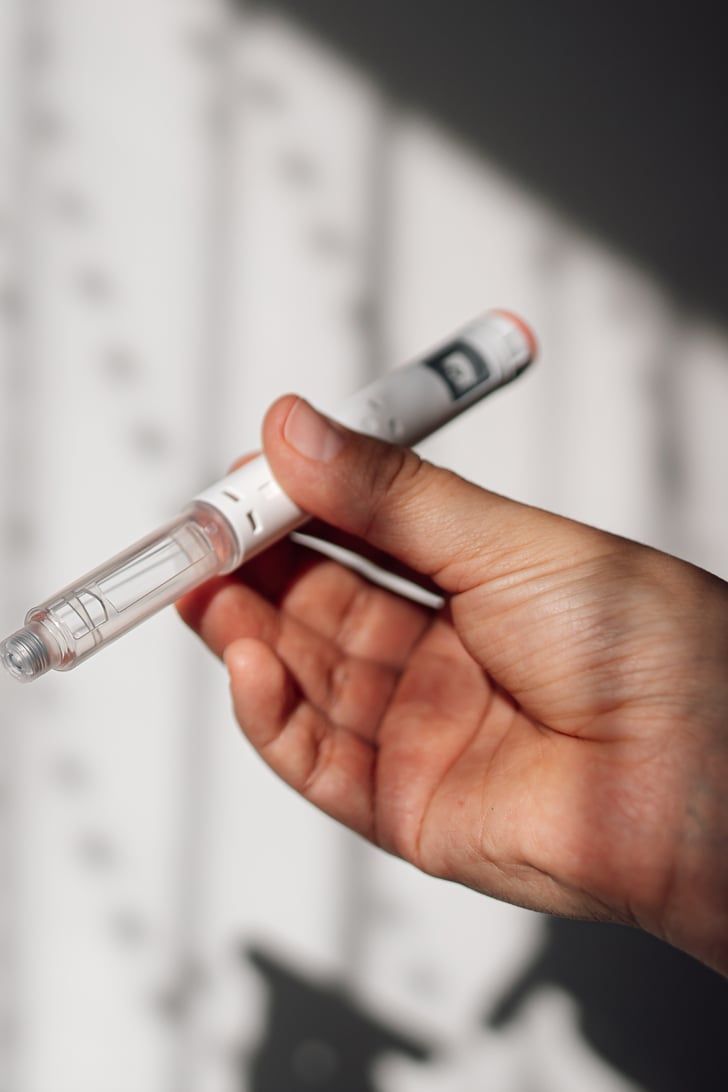
The most common side effects of GLP-1 medicines
| Symptom | When it usually appears | What can help | When to contact a doctor |
|---|---|---|---|
| Nausea | At the start of treatment and after a dose increase | Smaller portions, eating more slowly, limiting heavy meals | When it makes eating difficult, worsens or does not settle |
| Feeling of fullness | After a portion that is too large or a heavy meal | Finishing the meal once satiety appears | When even a small portion cannot be eaten |
| Constipation | With less food, fluid and movement | Hydration, activity, gradually increasing fibre | When accompanied by pain, vomiting, severe bloating or no passage of gas |
| Diarrhoea | More often after starting treatment or increasing the dose | Regular fluid intake, easily digestible meals | When it is severe, prolonged, bloody or leads to dehydration |
| Vomiting | With poor dose tolerance or an overly large meal | Small sips of fluid, light meals, contact with the treating clinician | When it recurs or prevents fluid intake |
| Heartburn and belching | After a large meal, fatty dishes or eating before bed | Smaller portions, eating more slowly, not lying down after a meal | When symptoms are frequent, severe or combined with pain |
| Injection site reaction | After an injection | Rotating the injection site as instructed | When swelling, pain or redness is severe or spreading |
How to improve treatment tolerability
Eat smaller portions
After starting treatment, your previous standard portion may turn out to be too large. It is better to start with less food and assess satiety before taking a second helping.
Eat more slowly
The fullness signal may appear sooner than before treatment. Eating quickly increases the risk that the body registers satiety only after you have passed a well-tolerated portion.
Do not force yourself to eat
Continuing a meal despite clear satiety can lead to nausea, belching, abdominal pain or vomiting. There is no obligation to finish the whole portion just because it has already been served.
Watch how you tolerate fatty dishes
Fried, very fatty and hard-to-digest dishes can worsen symptoms. This does not mean fat has to be eliminated completely. What matters is the amount, the form and the size of the meal.
Drink regularly
A large volume of fluid taken at once can deepen fullness and nausea. Small amounts of fluid taken regularly throughout the day usually work better.
Increase fibre gradually
In mild constipation fibre can help, but increasing it abruptly with insufficient hydration can worsen bloating and bowel problems.
Take care of protein
A reduced appetite can lead to too little protein in the diet. It is worth including a protein source in main meals, choosing products that are well tolerated and do not take up a very large volume.
Do not forget about muscle
It is not only fat tissue that goes down during treatment. In the STEP 1 trial fat mass fell by 19.3% and lean mass, which is mostly muscle, by 9.7%. The share of lean mass in body weight ultimately rose, so body composition improved, but the loss itself is real and grows the faster the weight comes off.
Two things limit it: enough protein and regular resistance training. Recommendations for people treated with GLP-1 analogues advise strength training 3 to 5 times a week and spreading protein across all main meals, rather than watching only the daily total.
Muscle matters for more than appearance. It affects fitness, strength, metabolic health and whether the result holds after the medication is stopped.
Do not rush dose escalation
If the current dose causes severe symptoms, the next step of escalation should not happen automatically. Depending on the product and the clinical situation, a doctor may delay the increase, keep the dose unchanged for longer or temporarily return to the previous level. This decision should not be made on your own.
A short tolerability checklist
| Rule | How to apply it in practice |
|---|---|
| Reduce portions | Serve less than before and assess satiety before a second helping |
| Eat more calmly | Take short breaks and chew thoroughly |
| End the meal once you feel full | Do not wait for heaviness or pain |
| Limit heavy dishes | Watch how you tolerate fried, fatty and spicy meals |
| Drink in small amounts | Spread fluids across the whole day |
| Increase fibre gradually | A sudden change can worsen constipation and bloating |
| Take care of protein | Choose a well-tolerated source with every main meal |
| Do strength training | 3 to 5 times a week, to limit muscle loss |
| Record your symptoms | Note when symptoms appeared, the dose and the meals eaten |
| Do not change the dose yourself | Discuss severe symptoms before taking the next higher dose |
Recommendations on smaller portions, calm eating, adequate hydration and slower dose escalation are consistent with multidisciplinary guidance on managing gastrointestinal adverse effects.
What can be observed and what needs medical advice?
| Usually can be observed | Worth contacting a doctor | Needs urgent medical help |
|---|---|---|
| Mild nausea | Nausea that makes regular eating difficult | Severe, persistent abdominal pain |
| Earlier satiety | Recurrent vomiting | Abdominal pain radiating to the back |
| Short-lived diarrhoea | Prolonged diarrhoea or constipation | Inability to keep fluids down |
| Mild constipation | Marked weakness or dizziness | Very low urine output, fainting or confusion |
| Belching and fullness after a meal | Symptoms worsening after every dose | No stool and no gas together with pain and bloating |
| Mild abdominal discomfort | Too little energy, protein and fluid intake | Severe pain under the right rib with fever or jaundice |
| Temporary loss of appetite | Rapid, hard-to-control weight loss | Sudden loss of vision or rapid visual deterioration |
| Slight redness after an injection | Marked hair loss | Swelling of the face, tongue or throat |
What matters is not only the type of symptom, but also its intensity, duration and accompanying signs. A mild complaint can be part of adaptation. The same symptom in a severe form may require a change of approach.
When to contact the clinician managing your treatment
A consultation is advisable when:
- nausea makes regular eating difficult,
- vomiting recurs,
- diarrhoea or constipation does not settle,
- the patient drinks much less than before,
- recurrent dizziness appears,
- symptoms worsen after every dose,
- basic energy and protein needs cannot be met,
- weight loss is very rapid,
- fainting or recurrent hypoglycaemia occurs,
- a previously well-tolerated dose starts causing severe or new symptoms.
Severe side effects are not proof that a medicine works better. The maintenance dose should reflect both effectiveness and tolerability.
Symptoms that should not be ignored
| Possible problem | Warning signs |
|---|---|
| Acute pancreatitis | Severe, persistent pain in the upper abdomen, radiating to the back, nausea and vomiting |
| Gallbladder disease | Pain under the right costal margin, fever, chills, jaundice, dark urine |
| Dehydration | Very low urine output, dark urine, dry mouth, dizziness, fainting |
| Severely delayed gastric emptying | Vomiting food eaten many hours earlier, constant retention, inability to eat |
| Bowel obstruction | Severe pain, increasing bloating, persistent vomiting, no stool and no gas |
| Hypoglycaemia | Trembling, sweating, palpitations, confusion, altered consciousness |
| Allergic reaction | Swelling of the face, lips, tongue or throat, difficulty breathing or swallowing |
| Serious vision problems | Sudden loss of vision, rapid visual deterioration, loss of visual field |
Severe abdominal pain may mean pancreatitis
Acute pancreatitis is a rare but serious complication described during the use of GLP-1 receptor agonists and medicines acting on the GIP and GLP-1 receptors.
In January 2026 the UK regulator MHRA strengthened warnings about the risk of acute pancreatitis for dulaglutide, exenatide, liraglutide, semaglutide and tirzepatide. Rare reports of necrotising and fatal cases were also included.
The main warning sign is severe, persistent abdominal pain that may radiate to the back. It can be accompanied by nausea and vomiting.
Such pain requires urgent medical help. Do not assume it is ordinary indigestion. If pancreatitis is suspected, treatment should be withheld until medical assessment. Once the diagnosis is confirmed, the medicine should not be restarted without an explicit specialist decision.
Gallbladder problems
Gallstones or cholecystitis can occur during treatment. The risk may relate both to the medicine itself and to rapid weight loss.
Urgent assessment is needed for:
- severe pain in the upper right abdomen,
- pain lasting several hours,
- fever or chills,
- yellowing of the skin or the whites of the eyes,
- dark urine,
- very pale stool,
- severe nausea and vomiting.
Acute gallbladder disease is included in the official warnings for semaglutide.
Vomiting, diarrhoea and the risk of dehydration
A single episode of vomiting or short-lived diarrhoea does not always mean a serious complication. Prolonged symptoms, however, can lead to dehydration and electrolyte disturbances.
Particular caution is needed for:
- older people,
- patients with chronic kidney disease,
- people taking diuretics,
- patients with low blood pressure,
- people who struggle to drink regularly.
Signs of dehydration include a marked drop in urine output, very dark urine, dry mouth, intense thirst, dizziness, fainting, weakness or confusion.
Cases of acute kidney injury, including some requiring dialysis, are described in the semaglutide documentation. Most reports involved people in whom nausea, vomiting or diarrhoea led to fluid loss.
When to suspect severely delayed gastric emptying
Earlier satiety is an expected effect of treatment. It should not, however, mean that for many hours or days a patient is unable to eat or regularly vomits undigested food.
Assessment is needed for:
- persistent vomiting after meals,
- vomiting food eaten many hours earlier,
- a constant feeling that food is not moving on,
- inability to eat even a small meal,
- severe bloating,
- increasing abdominal pain,
- marked weakness and dehydration.
Semaglutide can cause more serious symptoms in people with gastroparesis and is not recommended in its severe form.
Constipation or bowel obstruction?
Constipation is a common adverse effect. It can usually be eased with adequate hydration, daily movement and a gradual increase in fibre.
A different approach is needed when constipation comes with:
- severe or colicky abdominal pain,
- increasing bloating,
- persistent vomiting,
- inability to pass gas,
- a sudden deterioration in wellbeing.
In that situation you should not increase fibre or take further laxatives on your own without medical assessment.
Hypoglycaemia
Medicines acting on GLP-1 used on their own usually carry a low risk of severe hypoglycaemia. The risk increases when they are combined with insulin or sulfonylureas.
Symptoms of low blood sugar may include:
- trembling hands,
- sweating,
- palpitations,
- intense hunger,
- anxiety,
- dizziness,
- poor concentration,
- confusion.
Severe hypoglycaemia can lead to seizures or loss of consciousness. When starting therapy, a doctor may adjust the doses of other diabetes medicines and monitor parameters such as insulin, glucose and HbA1c.
Sudden visual deterioration
Diabetic retinopathy
In some patients with diabetes, a rapid improvement in glycaemia can temporarily worsen existing diabetic retinopathy. Extra caution is needed in people who already had retinal changes, use insulin or start treatment with markedly elevated blood glucose.
Urgent ophthalmological assessment is needed for:
- sudden loss of visual acuity,
- new spots or numerous floaters,
- flashes of light,
- a dark curtain in the visual field,
- sudden loss of part of the visual field.
NAION during semaglutide treatment
In June 2025 the EMA recognised non-arteritic anterior ischaemic optic neuropathy, known as NAION, as a very rare adverse effect of semaglutide. It may occur in up to about one person in 10,000 using the medicine.
Sudden loss of vision or rapidly progressing visual deterioration requires urgent ophthalmological assessment. If NAION is confirmed, semaglutide treatment should be stopped.
Allergic reaction
Slight redness or discomfort at the injection site is usually not an emergency.
Immediate help is needed, however, for:
- swelling of the face, lips, tongue or throat,
- difficulty breathing,
- problems swallowing,
- generalised hives,
- sudden weakness or loss of consciousness.
Severe hypersensitivity reactions, including anaphylaxis and angioedema, have been reported with medicines containing semaglutide and tirzepatide.
Hair loss during treatment
Hair loss can appear during treatment, especially when weight loss is rapid and energy and protein intake drop significantly.
It is not always a direct effect of the medicine. It may correspond to telogen effluvium triggered by rapid weight change, metabolic stress, iron deficiency, low protein intake or another illness.
Hair loss is worth discussing when:
- it is very pronounced,
- it lasts for several months,
- the diet provides little energy or protein,
- weakness, pale skin or menstrual disturbances occur,
- patches without hair appear on the scalp,
- the scalp hurts, burns or is inflamed.
In that situation the rate of weight loss, the diet and other possible causes should be assessed.
GLP-1 medicines before a procedure and anaesthesia
Medicines acting on GLP-1 can delay gastric emptying. This matters before surgery, gastroscopy or another procedure performed under anaesthesia or deep sedation.
Before the procedure, tell the medical team about:
- the name of the product used,
- the dose,
- the date of the last administration,
- the most recent dose increase,
- any nausea, vomiting, bloating or constipation.
Current multi-society guidance indicates that many patients can continue therapy before elective surgery. People in the dose escalation phase, on a high dose or with significant gastrointestinal symptoms need individual assessment. In some cases a liquid diet for 24 hours, a change to the anaesthetic plan or postponing the procedure is recommended.
Do not stop the medicine on your own based on general advice found online.
Key warning signs
Urgent medical help is needed for:
- severe, persistent abdominal pain, especially radiating to the back,
- persistent vomiting and inability to keep fluids down,
- very low urine output, fainting or confusion,
- severe pain under the right costal margin with fever or jaundice,
- significant bloating with no stool and no gas,
- sudden loss of vision or rapidly worsening sight,
- swelling of the face, tongue or throat,
- difficulty breathing or swallowing,
- severe hypoglycaemia with seizures or altered consciousness.
Summary
The most common side effects of GLP-1 medicines involve the digestive tract. Nausea, fullness, diarrhoea, constipation, belching and abdominal discomfort appear mainly at the start of treatment and after a dose increase.
They can usually be limited with smaller portions, calmer eating, adequate hydration, a gradual increase in fibre and slower dose escalation.
Severe pain, persistent vomiting, dehydration and inability to eat, on the other hand, should not be normalised. The goal of therapy is better health, not functioning despite constant complaints.
Particular attention is needed for signs of acute pancreatitis, gallbladder disease, bowel obstruction, kidney injury, severe allergic reaction and sudden visual deterioration.
This material is educational and does not replace an individual medical consultation. Do not start, stop or modify the dosing of medicines acting on GLP-1 on your own.
Frequently asked questions
Does nausea mean the medicine is working?
No. Side effects are not a measure of treatment effectiveness. The medicine can improve glycaemia, reduce appetite and support weight loss also in someone who feels no nausea. The goal is not the strongest possible symptoms, but a safe improvement in health.
Do I have to stop the medicine if I feel nauseous?
Not always. Mild nausea often decreases after adjusting portion size, eating pace and the type of meals. If symptoms make eating difficult, lead to dehydration or do not settle, contact the clinician managing your treatment before taking the next higher dose.
Can I reduce the dose myself?
You should not change the dosing on your own. A doctor, however, may delay a dose increase, keep you on a lower dose for longer, temporarily reduce the dose or switch to another product.
Is loss of appetite a desired effect?
Reduced appetite is part of how the medicine works. Complete aversion to food, regularly skipping meals and being unable to meet basic needs are not the goal of therapy. Too little energy, protein, fluid, vitamins and minerals can lead to weakness, muscle loss, constipation, dizziness and hair loss.
Can I take anti-sickness medicines?
They should not be used to mask severe or unexplained symptoms. Their use is worth discussing with a doctor. Severe abdominal pain, dehydration, vomiting of undigested food or no stool and no gas require diagnosis, not only suppression of vomiting.
Should I increase fibre when constipated?
In mild constipation, fluids, daily movement and a gradual increase in fibre can help. Severe pain, significant bloating, persistent vomiting and no passage of gas are indications for urgent assessment. In that situation increasing fibre can make symptoms worse.
Does raised lipase or amylase mean pancreatitis?
No. Pancreatic enzyme activity can change without acute pancreatitis developing. A laboratory result alone, without characteristic symptoms, does not confirm the disease. The most important warning sign is severe, persistent abdominal pain, especially when it radiates to the back and comes with vomiting.
Should pancreatic enzymes be checked preventively?
Routine amylase and lipase testing in every symptom-free person using a GLP-1 medicine does not reliably predict acute pancreatitis. The scope of testing should follow from symptoms, health history and the doctor's recommendations.
Do GLP-1 medicines increase the risk of suicidal thoughts?
In January 2026 the FDA reported that a broad analysis of clinical trial and observational data showed no increased risk of suicidal thoughts or behaviour during GLP-1 use. Any new or worsening depressive symptoms, unusual behaviour change or thoughts of self-harm still require urgent help, whatever the possible cause.
Is dizziness normal?
It can appear especially during dose escalation. The cause may be eating too little, dehydration, lower blood pressure or hypoglycaemia in someone also taking insulin or a sulfonylurea. Recurrent dizziness, falls, fainting or altered consciousness require a consultation.
Do side effects always disappear?
In many people they decrease after a period of adaptation. Not every patient, however, will tolerate every dose or every product. Persistent symptoms may require slower dose escalation, staying on a lower dose, changing treatment or further investigation.
Can the medicine be used in pregnancy?
Medicines used for obesity should not be continued in pregnancy. If you are planning a pregnancy, agree the timing of stopping with your doctor in advance, as it depends on the specific substance. Diabetes treatment should not be stopped without setting up a safe way to control blood glucose at the same time.
Should I take the next dose if symptoms are severe?
Severe abdominal pain, persistent vomiting, significant dehydration, no gas and no stool, sudden visual deterioration or an allergic reaction require urgent assessment. The decision about the next dose should then be made with a doctor. If acute pancreatitis is suspected, the medicine should be withheld until the situation is clarified.
References
- European Medicines Agency. Ozempic, semaglutide. Product Information. Current summary of product characteristics. (ema.europa.eu)
- European Medicines Agency. Wegovy, semaglutide. Product Information. Current summary of product characteristics. (ema.europa.eu)
- European Medicines Agency. Mounjaro, tirzepatide. Product Information. Current summary of product characteristics. (ema.europa.eu)
- Medicines and Healthcare products Regulatory Agency. GLP-1 receptor agonists and dual GLP-1/GIP receptor agonists: strengthened warnings on acute pancreatitis, including necrotising and fatal cases. Drug Safety Update, 29 January 2026.
- European Medicines Agency. PRAC concludes eye condition NAION is a very rare side effect of semaglutide medicines Ozempic, Rybelsus and Wegovy. 6 June 2025. (ema.europa.eu)
- US Food and Drug Administration. Wegovy, semaglutide. Prescribing Information. 2026 update.
- US Food and Drug Administration. FDA Requests Removal of Suicidal Behavior and Ideation Warning from GLP-1 Receptor Agonist Medications. 13 January 2026.
- American Society of Anesthesiologists and co-authors. New Multi-Society GLP-1 Clinical Practice Guidance. February 2025 update.
- Gorgojo-Martínez J.J. et al. Clinical Recommendations to Manage Gastrointestinal Adverse Events in Patients Treated with GLP-1 Receptor Agonists: A Multidisciplinary Expert Consensus. Journal of Clinical Medicine. 2023;12(1):145.