Pumpkin: what does it offer beyond beta-carotene? The nutritional value of an autumn vegetable

Sonia Biecka
Dietitian

Medical review: lek. Wojciech Sierocki
Content medically reviewed by an Optimals team physician.
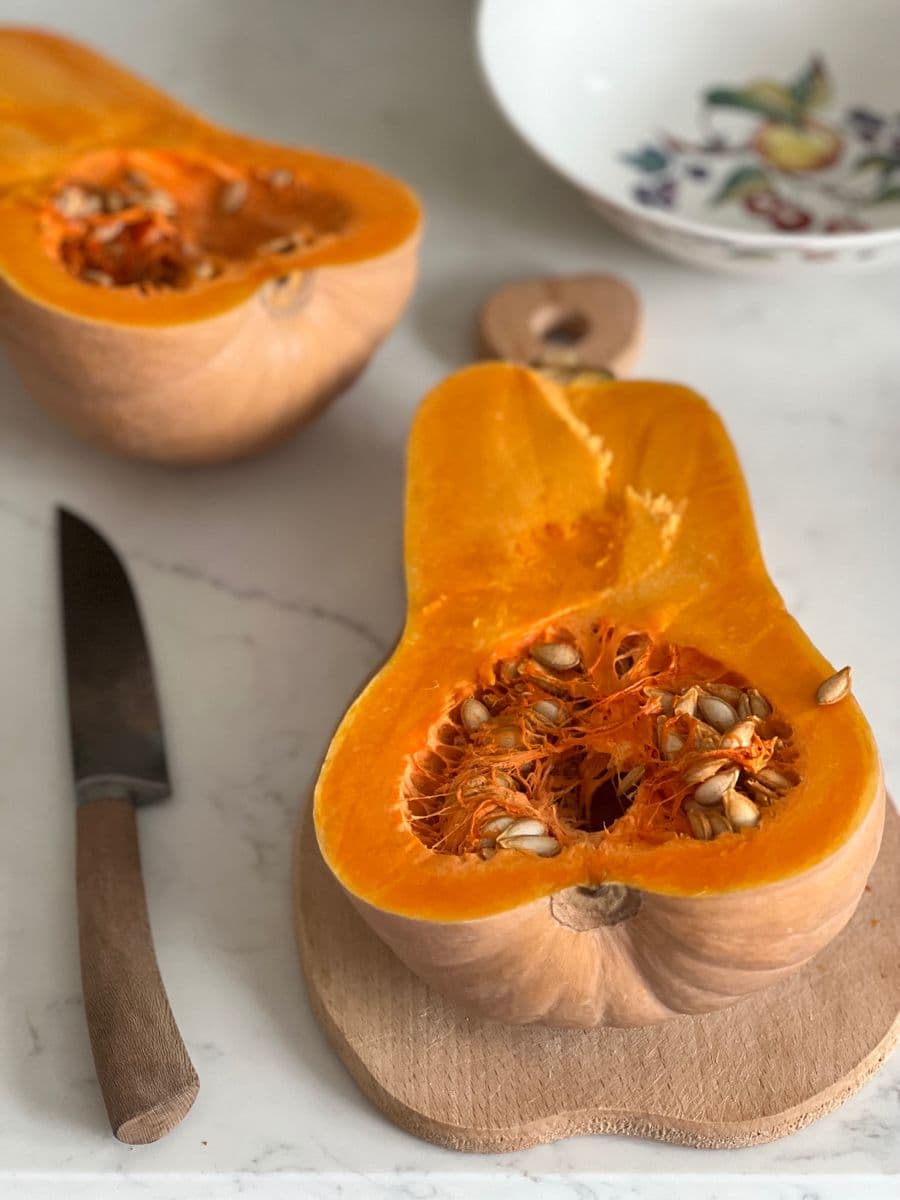
In autumn, pumpkin turns up practically everywhere: in soups, risotto, porridge, baking, pasta and even coffee. It is usually talked about in the context of beta-carotene, which gives it its intense orange colour.
Its nutritional value does not end there, though.
Pumpkin also provides other carotenoids, potassium, fibre and various bioactive compounds. At the same time it has a high water content and a relatively low energy value. Pumpkin seeds are a completely different story: they are a concentrated source of fat, protein, magnesium and zinc.
So it is worth looking at pumpkin more broadly than through beta-carotene alone.
Not every pumpkin is the same
The word "pumpkin" covers many species and varieties, including Hokkaido (red kuri), butternut and common field pumpkin.
Their composition is not identical. The content of carotenoids, fibre, sugars and minerals depends on the variety, ripeness, growing conditions, the part of the plant and how it is prepared.
That is why there is no single nutritional profile that perfectly describes every pumpkin.
The biggest differences concern carotenoids, among other things. Some varieties contain noticeably more of them, others less, and the proportions of individual compounds can differ too.
What is in pumpkin?
Pumpkin flesh is largely water, so it provides relatively little energy. At the same time it contains several valuable nutrients.
| Nutrient | What is worth knowing? |
|---|---|
| Carotenoids | pumpkin provides beta-carotene, alpha-carotene, lutein and zeaxanthin, among others |
| Fibre | supports normal digestive function and adds volume to a meal |
| Potassium | is needed for normal muscle and nervous system function, among other things |
| Carbohydrates | are the main source of energy in the flesh |
| Vitamin C | the amount depends on the variety and how it is cooked |
| Phenolic compounds | belong to the bioactive plant compounds |
| Water | accounts for pumpkin's relatively low energy value |
Beta-carotene is only the beginning
Beta-carotene is pumpkin's best-known nutrient. The body can convert it into vitamin A, which is needed for normal vision, healthy mucous membranes and immune function, among other things.
But pumpkin also provides other carotenoids.
Alpha-carotene, like beta-carotene, can act as provitamin A.
Lutein and zeaxanthin accumulate in the retina of the eye, among other places, and occur naturally in the diet.
The carotenoid profile depends on the specific pumpkin variety, though. An intense orange colour may suggest a high content, but colour alone cannot tell us precisely how much beta-carotene or other compounds a pumpkin contains.
It is also worth remembering that carotenoids are found not only in the flesh but in the skin as well.
Does cooking destroy beta-carotene?
It is not as simple as the popular claim that any high temperature "destroys vitamins".
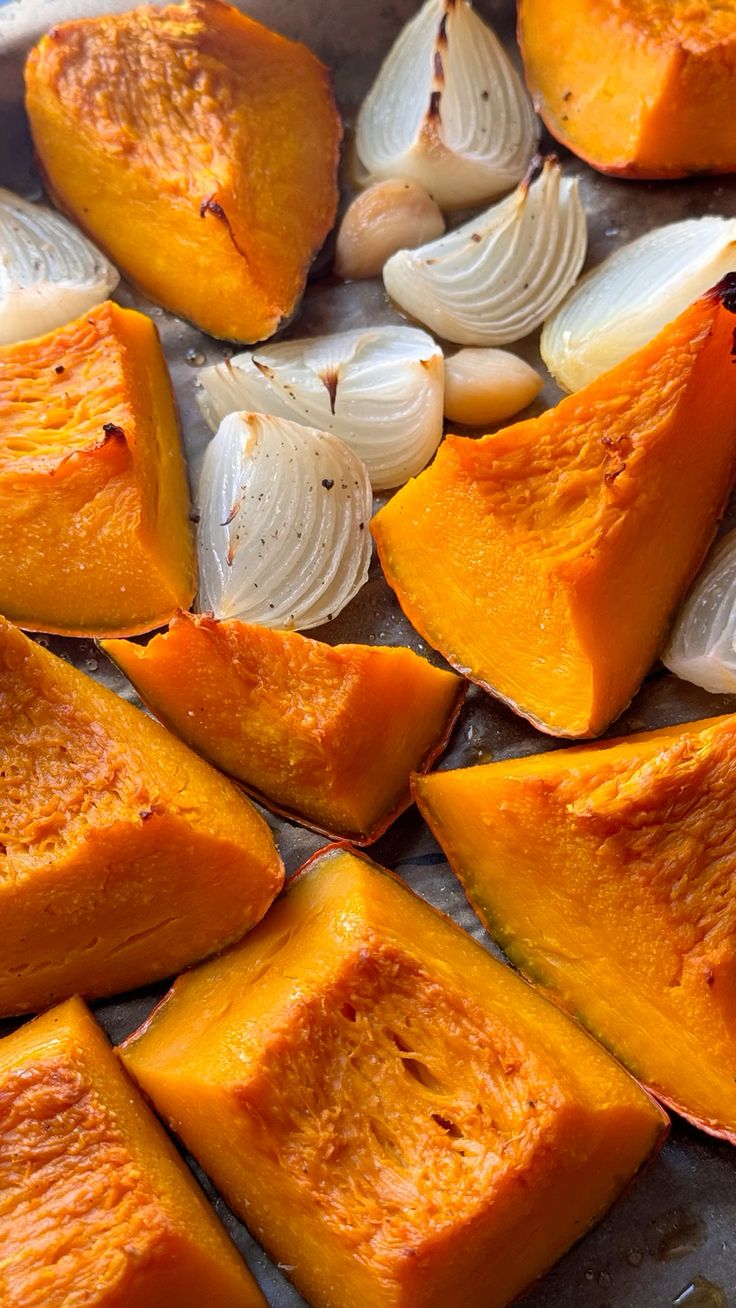
Boiling or roasting can cause some nutrient losses. At the same time, heat and chopping break down the cell structures of vegetables, so carotenoids can be released from the food more easily.
That is why boiled or roasted pumpkin is still a valuable part of the diet.
It is also a good idea to combine it with a little fat. Carotenoids are fat-soluble, so the body can make better use of them when the same meal contains a source of fat.
This could be, for example:
- olive oil,
- pumpkin seeds,
- nuts,
- tahini.
You do not need to add much. It is enough for fat to be one of the components of the meal.
Pumpkin and fibre
Pumpkin provides fibre, but it is not its most concentrated source.
Much larger amounts are found in legumes, whole grains, bran, seeds and some fruits, among others.
Pumpkin's advantage is that you can eat a relatively large portion. It can therefore add volume to a meal and help increase the share of vegetables in your diet.
In practice it is best treated as one of many plant foods in the diet, not as a vegetable that will cover your fibre needs on its own.
Potassium: a less obvious nutrient in pumpkin
A lot is said about beta-carotene, but much less about potassium.
Pumpkin can be one of the foods that help increase potassium intake. Potassium contributes to normal nervous system and muscle function and helps maintain normal blood pressure.
That does not mean pumpkin is an exceptional or the only source of potassium.
Other dietary sources include:
- potatoes,
- tomatoes,
- legumes,
- leafy vegetables,
- fruit,
- nuts.
So here too, the variety of your whole diet matters most.
Does pumpkin work when losing weight?
Yes, although not because it has any "slimming" properties of its own.
Pumpkin flesh contains a lot of water and relatively little energy, so it can add volume to a meal without a large increase in calories.
It can be used as a base for:
- soups,
- sauces,
- purées,
- curries,
- stews,
- porridge,
- roasted vegetables.
The final energy value always depends on the whole dish, though.
A cream of pumpkin soup made with lots of cream, cheese, butter or croutons will have a very different calorie count from a light vegetable soup with a little olive oil.
What about the sugar in pumpkin?
Pumpkin's sweet taste sometimes worries people with insulin resistance or diabetes.
There is no need to cut it out of the diet automatically, though.
The glycaemic response depends not only on the food itself but also on:
- portion size,
- the amount of carbohydrate,
- how finely it is chopped or blended,
- how it is prepared,
- the presence of protein,
- the presence of fat,
- the fibre content of the whole meal.
It makes far more sense to compose the meal well than to judge a food solely on its sweet taste.
For example, pumpkin can be combined with a source of protein, other vegetables, a whole-grain cereal product and a little fat.
Pumpkin flesh and pumpkin seeds are two different foods
Nutritionally, the flesh and the seeds are very different.
| Pumpkin flesh | Pumpkin seeds |
|---|---|
| lots of water | little water |
| low energy value | high energy value |
| little fat | lots of fat |
| a source of carotenoids | rich in minerals |
| a small amount of protein | much more protein |
| can be eaten in larger portions | usually eaten as a small addition |
| a source of potassium, among others | a source of magnesium, zinc and iron, among others |
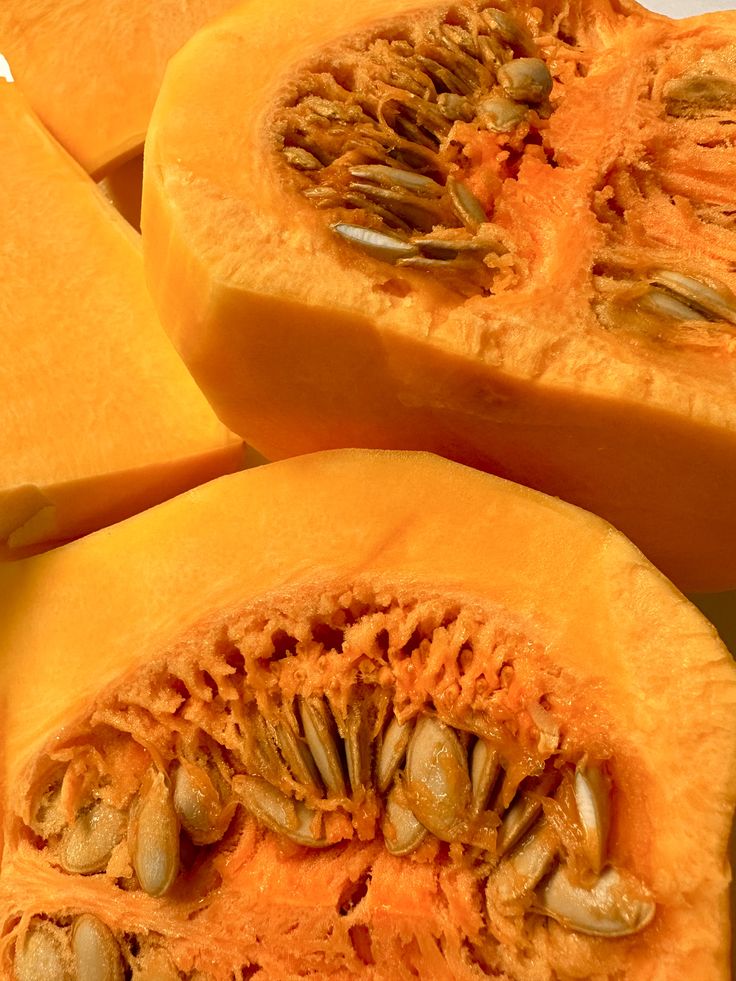
Pumpkin seeds provide unsaturated fatty acids, protein, magnesium, zinc, iron and phosphorus.
That is why pumpkin soup sprinkled with pumpkin seeds, for example, can be a great combination.
The flesh adds volume to the dish, while the seeds raise its energy value and provide fat, protein and minerals.
Pumpkin seeds are healthy, but high in calories
Unlike the flesh, the seeds are an energy-dense food.
That is not a flaw. It comes mainly from their high fat content.
Still, a handful of seeds is best treated as an addition to a meal rather than the equivalent of a portion of vegetables. This matters especially in a calorie-controlled diet.
What about pumpkin seed oil?
Pumpkin seed oil is above all a source of fat. It provides unsaturated fatty acids and some of the bioactive compounds found in the seeds.
But it is not the nutritional equivalent of whole seeds.
It provides no fibre and contains only trace amounts of protein. It is, however, a concentrated source of energy.
So seeds and oil can both have a place in the diet, but they play different roles in it.
Is pumpkin skin worth eating?
It depends on the variety.
Hokkaido skin becomes soft after boiling or roasting and can be eaten together with the flesh.
This is also interesting nutritionally, because the skin can contain carotenoids and other bioactive compounds.
Not every variety is equally pleasant to eat, though. With very hard skin it is more practical simply to remove it.
How to use pumpkin in your diet
Pumpkin is a very versatile food and definitely does not have to end at cream of pumpkin soup.
| Meal | Idea |
|---|---|
| Breakfast | porridge with pumpkin purée, yoghurt and nuts |
| Mid-morning snack | pumpkin pancakes with cottage cheese |
| Lunch | pumpkin risotto with chicken or tofu |
| Lunch | pumpkin and chickpea curry |
| Lunch | pasta with pumpkin sauce and parmesan |
| Side dish | roasted pumpkin with olive oil and herbs |
| Dinner | salad with pumpkin, feta and pumpkin seeds |
| Soup | cream of pumpkin soup with lentils and seeds |
| Sweet | skyr with pumpkin purée and cinnamon |
It is best not to treat pumpkin as a meal on its own. Combining it with protein, a source of fat and other plant foods makes for a more filling and nutritionally complete dish.
Frequently asked questions
Is pumpkin healthy?
Yes. It can be a valuable part of an everyday diet. It provides carotenoids, fibre, potassium and various bioactive compounds, among other things. There is no need, however, to attribute exceptional healing properties to it.
Is pumpkin high in calories?
The flesh has a relatively low energy value because it contains a lot of water and little fat. Pumpkin seeds are much higher in calories.
Does pumpkin contain a lot of sugar?
It contains naturally occurring sugars, but also a lot of water. There is no need to treat it as a high-sugar food just because it tastes sweet.
Can people with insulin resistance eat pumpkin?
Yes. Portion size and the composition of the whole meal matter far more than cutting it out completely. It is a good idea to combine pumpkin with a source of protein, fat and fibre.
Is pumpkin a good source of fibre?
It provides fibre, but it is not among the most concentrated sources. It can, however, help increase the total amount of vegetables in your diet.
Is cooked pumpkin less nutritious than raw?
Not necessarily. Heat can cause losses of some nutrients, but it can also make it easier for carotenoids to be released from plant structures.
What is the best way to eat pumpkin?
A small amount of fat is a good addition, for example olive oil, pumpkin seeds, nuts or tahini. This may improve how well the body uses the carotenoids.
Are pumpkin seeds a good source of zinc?
Yes. Besides zinc they also provide magnesium, iron, protein and unsaturated fatty acids. Keep in mind, though, that they are much higher in calories than the flesh.
Can you eat Hokkaido pumpkin skin?
Yes. After cooking it usually becomes soft and does not need peeling.
Does pumpkin support immunity?
Pumpkin provides nutrients the body needs to function normally, including carotenoids that are precursors of vitamin A. That does not mean it prevents infections on its own. For immune function, your overall diet and lifestyle matter most.
References
- Ninčević Grassino, A., Rimac Brnčić, S., Badanjak Sabolović, M. et al. (2023). Carotenoid Content and Profiles of Pumpkin Products and By-Products. Molecules, 28(2), 858. doi:10.3390/molecules28020858.
- Shajan, A.E. et al. (2024). Comprehensive comparative insights on physico-chemical characteristics, bioactive components, and therapeutic potential of pumpkin fruit. Future Foods, 9, 100312. doi:10.1016/j.fufo.2024.100312.
- Maťová, A. et al. (2021). Evaluation of Storage and Freezing, Baking, and Boiling Treatments on Total Carotenoids Content in the Fruits of Selected Cucurbita moschata Duch. Varieties. Journal of Food Quality, 2021, 5584652. doi:10.1155/2021/5584652.
- Yao, Y., Tan, P. & Kim, J.E. (2022). Effects of dietary fats on the bioaccessibility and bioavailability of carotenoids: a systematic review and meta-analysis of in vitro studies and randomized controlled trials. Nutrition Reviews, 80(4), 741–761. doi:10.1093/nutrit/nuab098.
- Ye, K., Cândido, F.G., Ramos, J.S. et al. (2026). Effects of Pumpkin (Cucurbita spp.) on Glycemic and Type 2 Diabetes-Related Metabolic Biomarkers: A Systematic Review of Controlled Clinical Trials. Nutrition Reviews. doi:10.1093/nutrit/nuag027.
- Singh, A. & Kumar, V. (2024). Pumpkin seeds as nutraceutical and functional food ingredient for future: A review. Grain & Oil Science and Technology, 7(1), 12–29. doi:10.1016/j.gaost.2023.12.002.
- Ge, H., Yang, L., Yao, Q. et al. (2025). Carotenes from Pumpkin Flesh and Peel: A Review on Their Physicochemical Properties, Preparation Techniques, Detection Methods and Antioxidant Potential. ACS Food Science & Technology, 5(3), 898–908. doi:10.1021/acsfoodscitech.4c00964.