
Gluten-free diet: who really needs it?

Sonia Biecka
Dietitian

Medical review: lek. Wojciech Sierocki
Content medically reviewed by an Optimals team physician.
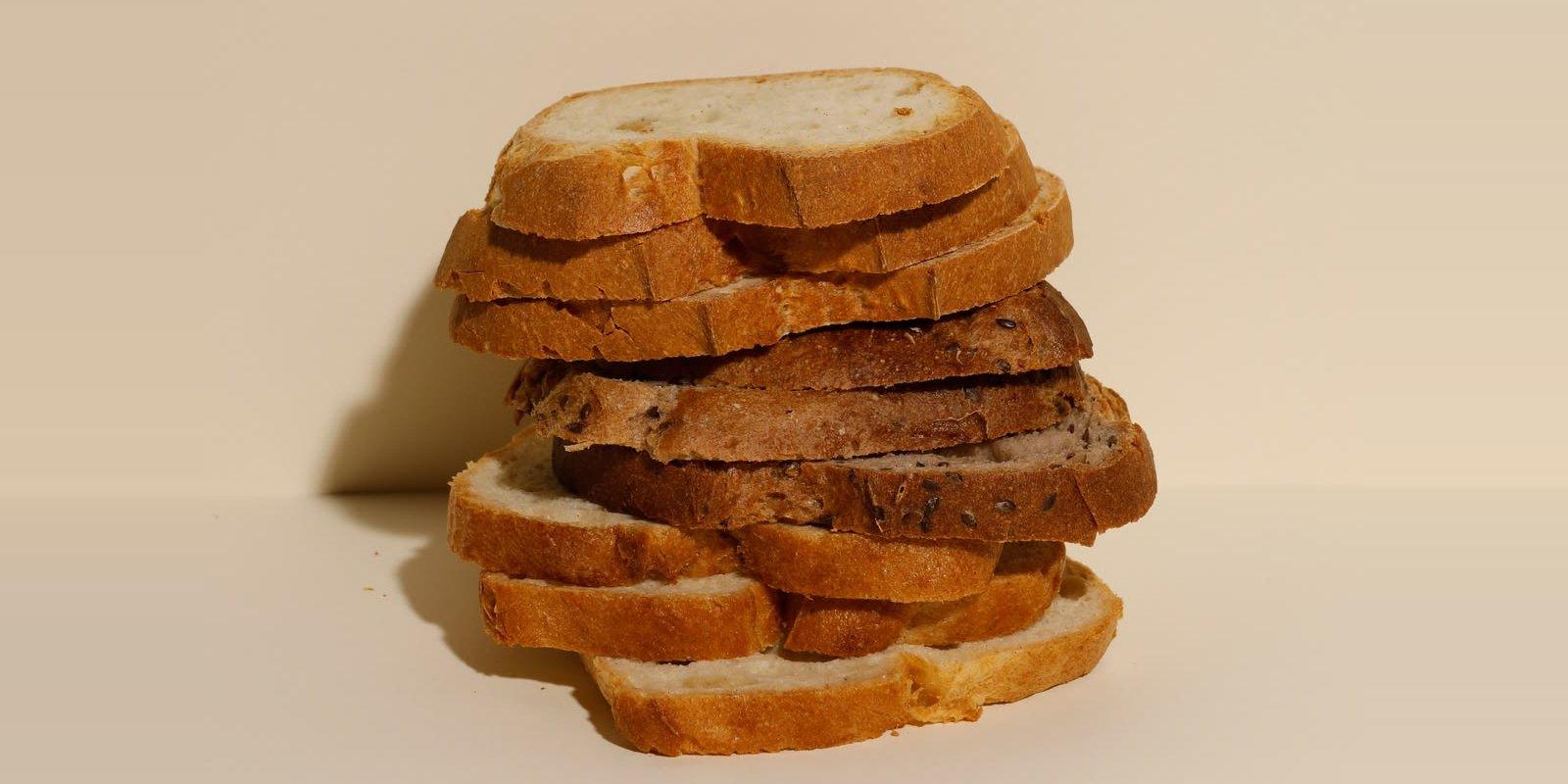
A dozen or so years ago, a gluten-free diet was associated mainly with treating coeliac disease. Today, products labelled "gluten free" take up more and more shelf space, and cutting out gluten is often presented as a way to improve digestion, lose weight or reduce inflammation.
Is gluten really something we should avoid? Current research and guidelines show that a gluten-free diet has clearly defined medical uses. In people without a diagnosed gluten-related disorder it may bring no additional health benefit, while a poorly balanced elimination diet can increase the risk of nutrient deficiencies.
What exactly is gluten?
Gluten is the collective name for storage proteins found in certain cereals. It is present mainly in wheat, rye and barley, as well as in wheat varieties such as spelt, durum and einkorn.
Among other things, it gives dough its elasticity, bread its springiness and grain products their characteristic texture.
Gluten itself is not toxic to most of the population. The problem arises in people in whom eating it triggers a specific immune reaction or symptoms related to sensitivity to cereal components.
Who should follow a gluten-free diet?
1. People with coeliac disease
Coeliac disease is a chronic autoimmune condition in which eating gluten leads to an abnormal immune response and damage to the lining of the small intestine. This can result in impaired nutrient absorption and a range of health complications.
The symptoms of coeliac disease vary. Besides diarrhoea, bloating and abdominal pain, they may include constipation, iron deficiency anaemia, chronic fatigue, impaired bone mineralisation and, in children, growth problems.
Some patients have no clear digestive symptoms despite changes in the small intestine.
In confirmed coeliac disease, a strict gluten-free diet is currently the only recognised treatment and should be followed for life.
According to the Polish guidelines published in 2026, sticking to the diet allows symptoms to resolve, serological markers to normalise and the small intestinal lining to recover in most patients [1].
Importantly, having no symptoms after accidentally eating gluten does not mean the gut is not being damaged.
2. People with dermatitis herpetiformis
Dermatitis herpetiformis, also known as Duhring's disease, is the skin manifestation of gluten-related disease.
It causes intensely itchy skin lesions, most often on the elbows, knees, buttocks and back. In some patients, intestinal changes are present without obvious digestive symptoms.
According to European dermatology guidelines, the mainstay of treatment is a strict, lifelong gluten-free diet. In some cases medication is also needed to relieve the skin symptoms [2].
3. People with wheat allergy
Wheat allergy is a different condition from coeliac disease. In wheat allergy, the immune system reacts to specific wheat proteins, which do not have to belong to the gluten fraction.
Symptoms may include hives, itching, swelling, gastrointestinal complaints and, in severe cases, anaphylaxis.
Treatment is based on avoiding the allergen, but a wheat allergy does not automatically mean cutting out every gluten-containing cereal. The scope of the diet should follow from allergy testing and individual tolerance.
4. People with non-coeliac gluten or wheat sensitivity
Non-coeliac gluten sensitivity (NCGS) is a condition in which symptoms appear after eating gluten-containing foods, even though coeliac disease and wheat allergy have been ruled out.
Patients may report bloating, abdominal pain, changes in bowel habits, tiredness or difficulty concentrating.
Diagnosis is more complicated, however, because there is no single reliable biomarker that confirms this sensitivity.
What is more, gluten itself is not always what causes the symptoms.
In a randomised trial by Skodje et al., published in Gastroenterology in 2018, researchers assessed the response of 59 people who reported gluten sensitivity. Fructans, fermentable carbohydrates found in wheat among other foods, caused more severe symptoms than gluten itself [3].
For this reason, the term non-coeliac wheat sensitivity (NCWS) is increasingly used as well. Once other conditions have been ruled out, temporary elimination followed by controlled reintroduction can help assess tolerance [1].
Does a gluten-free diet help with irritable bowel syndrome?
Many people with irritable bowel syndrome (IBS) feel better after cutting down on bread, pasta and other wheat products. That does not have to be down to removing gluten.
Wheat is also a source of fructans, which belong to the FODMAP group: fermentable carbohydrates that can worsen bloating, abdominal pain and bowel disturbances in people with visceral hypersensitivity.
The 2021 British Society of Gastroenterology guidelines do not recommend a gluten-free diet routinely for all patients with IBS. In certain situations, a low-FODMAP diet is better justified, carried out under the supervision of a dietitian and finished with a reintroduction phase [4].
That is why feeling better after cutting out wheat is not sufficient evidence of gluten sensitivity.
Do healthy people benefit from cutting out gluten?
There is no convincing evidence that a gluten-free diet improves metabolic health, speeds up weight loss or lowers the risk of chronic disease in people without a medical reason to follow it.
A large cohort study published in the BMJ in 2017 analysed the link between gluten intake and the risk of coronary heart disease in more than 110,000 participants. Higher gluten intake was not associated with a higher risk of coronary heart disease [5].
The authors did point out, however, that cutting out gluten without a reason may lead to eating fewer whole grains, which are an important part of a diet that supports cardiovascular health.
Likewise, there is currently not enough evidence to routinely recommend a gluten-free diet to everyone with Hashimoto's disease unless they also have coeliac disease or another gluten-related disorder.
Can a gluten-free diet cause deficiencies?
A gluten-free diet can be nutritionally complete, but the menu needs to be planned properly.
Cutting out traditional grain products without adding good substitutes can reduce intake of fibre, iron, folate, thiamine and other nutrients.
The 2023 Academy of Nutrition and Dietetics guidelines stress the importance of individual nutritional assessment and medical nutrition therapy for patients with coeliac disease [6].
It is also important to tell naturally gluten-free foods apart from highly processed substitutes. Biscuits, bread or snacks labelled "gluten free" do not necessarily have a better composition than their traditional counterparts. Some contain little fibre and relatively large amounts of refined starch, sugar or fat.
So in your everyday diet it is worth including naturally gluten-free foods such as buckwheat, quinoa, millet, rice, potatoes, legumes, vegetables, fruit and nuts.
What does a well-balanced gluten-free diet look like?
In coeliac disease, what matters is not only cutting out gluten-containing ingredients but also avoiding cross-contamination when storing and preparing food.
| Foods | What to watch out for |
|---|---|
| Buckwheat, millet, rice, quinoa | Naturally gluten-free, but dry products can be contaminated with gluten |
| Vegetables and fruit | Naturally gluten-free when unprocessed |
| Meat, fish, eggs | Naturally gluten-free; watch out for breadcrumbs, marinades and additives |
| Milk and fermented dairy products | Most plain versions are gluten-free; check the ingredients of products with additives |
| Gluten-free bread and pasta | Compare fibre, protein, sugar and fat content |
| Oats | With coeliac disease, choose only products labelled gluten-free |
Under EU regulations, the term "gluten-free" may be used for products containing no more than 20 mg of gluten per kilogram, i.e. 20 ppm [7].
Oats need particular care, as they are often contaminated with wheat, rye or barley. Most people with coeliac disease tolerate gluten-free oats, but a small group of patients may react to the avenin they contain [8].
Why you should not cut out gluten before testing
One of the most common mistakes is starting a gluten-free diet on your own before getting tested.
Reducing gluten can lower the levels of antibodies typical of coeliac disease and allow the small intestinal lining to recover. As a result, test results may be falsely negative, which makes a correct diagnosis harder.
Basic serological testing usually includes IgA antibodies against tissue transglutaminase (anti-tTG IgA) and total IgA.
Depending on the results and the clinical picture, the doctor decides on further tests, including a possible gastroscopy with duodenal biopsies. Current guidelines allow a diagnosis without biopsy in selected patients who meet strictly defined criteria [9].
If a patient is already on a gluten-free diet, further testing should be planned individually. They should not start eating large amounts of gluten on their own just to get tested.
Frequently asked questions
Is gluten harmful to the gut?
In people with coeliac disease, gluten triggers an autoimmune reaction that damages the lining of the small intestine. There is no evidence, however, that it has a similar effect in healthy people in general.
Does a gluten-free diet help you lose weight?
Cutting out gluten does not by itself reduce body fat. Weight loss may result from eating less energy overall, for example by giving up some sweets or snacks. Gluten-free products are not necessarily lower in calories.
Should people with Hashimoto's give up gluten?
There is no basis for routinely recommending a gluten-free diet to everyone with Hashimoto's disease. Elimination is justified when coeliac disease or another confirmed indication is also present.
Can you have coeliac disease without diarrhoea?
Yes. Coeliac disease can show up as constipation, anaemia, fatigue, impaired bone mineralisation or other symptoms outside the gut. In some patients the disease causes no obvious symptoms at all.
Can people with coeliac disease eat oats?
Most patients can eat properly controlled oats labelled gluten-free. It is worth discussing their introduction with a dietitian or doctor, especially if symptoms persist despite following the diet.
Does a gluten-free diet have to be followed for life?
In coeliac disease and dermatitis herpetiformis, a gluten-free diet is a lifelong treatment. In non-coeliac gluten or wheat sensitivity, its duration and strictness should be set individually, with periodic reassessment of tolerance.
Is a gluten-free product automatically healthier?
No. The "gluten-free" label tells you the gluten content meets specific requirements, not what the overall nutritional value of the product is. The quality of a diet depends on the whole picture, including fibre, protein, fat and mineral intake.
A gluten-free diet can be an essential part of treatment, but it should not be treated as a universal way to improve health. Before cutting anything out, it is worth finding the cause of the symptoms and getting the right tests. That helps you avoid unnecessary restrictions and choose a way of eating that matches what your body actually needs.
Put this into practice with a doctor and a dietitian
Optimals Membership · 349 PLN/mo
Ongoing care from a doctor and a dietitian, with the app every day
References
- Gawron-Kiszka M, Kukla M, Maciejewska K, et al. Guidelines for the management of coeliac disease: recommendations of the Intestinal Diseases Section of the Polish Society of Gastroenterology. Prz Gastroenterol. 2026;21(3):241–277. doi:10.5114/pg.2026.164973
- Görög A, Antiga E, Caproni M, et al. S2k guidelines (consensus statement) for diagnosis and therapy of dermatitis herpetiformis initiated by the European Academy of Dermatology and Venereology (EADV). J Eur Acad Dermatol Venereol. 2021;35(6):1251–1277. doi:10.1111/jdv.17183
- Skodje GI, Sarna VK, Minelle IH, et al. Fructan, rather than gluten, induces symptoms in patients with self-reported non-celiac gluten sensitivity. Gastroenterology. 2018;154(3):529–539.e2. doi:10.1053/j.gastro.2017.10.040
- Vasant DH, Paine PA, Black CJ, et al. British Society of Gastroenterology guidelines on the management of irritable bowel syndrome. Gut. 2021;70(7):1214–1240. doi:10.1136/gutjnl-2021-324598
- Lebwohl B, Cao Y, Zong G, et al. Long term gluten consumption in adults without celiac disease and risk of coronary heart disease: prospective cohort study. BMJ. 2017;357:j1892. doi:10.1136/bmj.j1892
- McDermid JM, Almond MA, Roberts KM, et al. Celiac disease: an Academy of Nutrition and Dietetics evidence-based nutrition practice guideline. J Acad Nutr Diet. 2023;123(12):1793–1807.e4. doi:10.1016/j.jand.2023.07.018
- Główny Inspektorat Sanitarny (Chief Sanitary Inspectorate, Poland). Requirements for food labelled "gluten-free" or "very low gluten": information for consumers and obligations of food businesses [in Polish]. Warsaw: GIS; 2026. gov.pl/web/gis
- Al-Toma A, Branchi F, Zingone F, et al. European Society for the Study of Coeliac Disease (ESsCD) 2025 updated guidelines on the diagnosis and management of coeliac disease in adults. Part 2: Management, follow-up, and complex disease courses. United European Gastroenterol J. 2026;14(2). doi:10.1002/ueg2.70195
- Al-Toma A, Zingone F, Branchi F, et al. European Society for the Study of Coeliac Disease 2025 updated guidelines on the diagnosis and management of coeliac disease in adults. Part 1: Diagnostic approach. United European Gastroenterol J. 2025;13(10):1855–1886. doi:10.1002/ueg2.70119