
Glucose Goddess: which tips make sense, and which are oversimplified?

Sonia Biecka
Dietitian

Medical review: lek. Wojciech Sierocki
Content medically reviewed by an Optimals team physician.
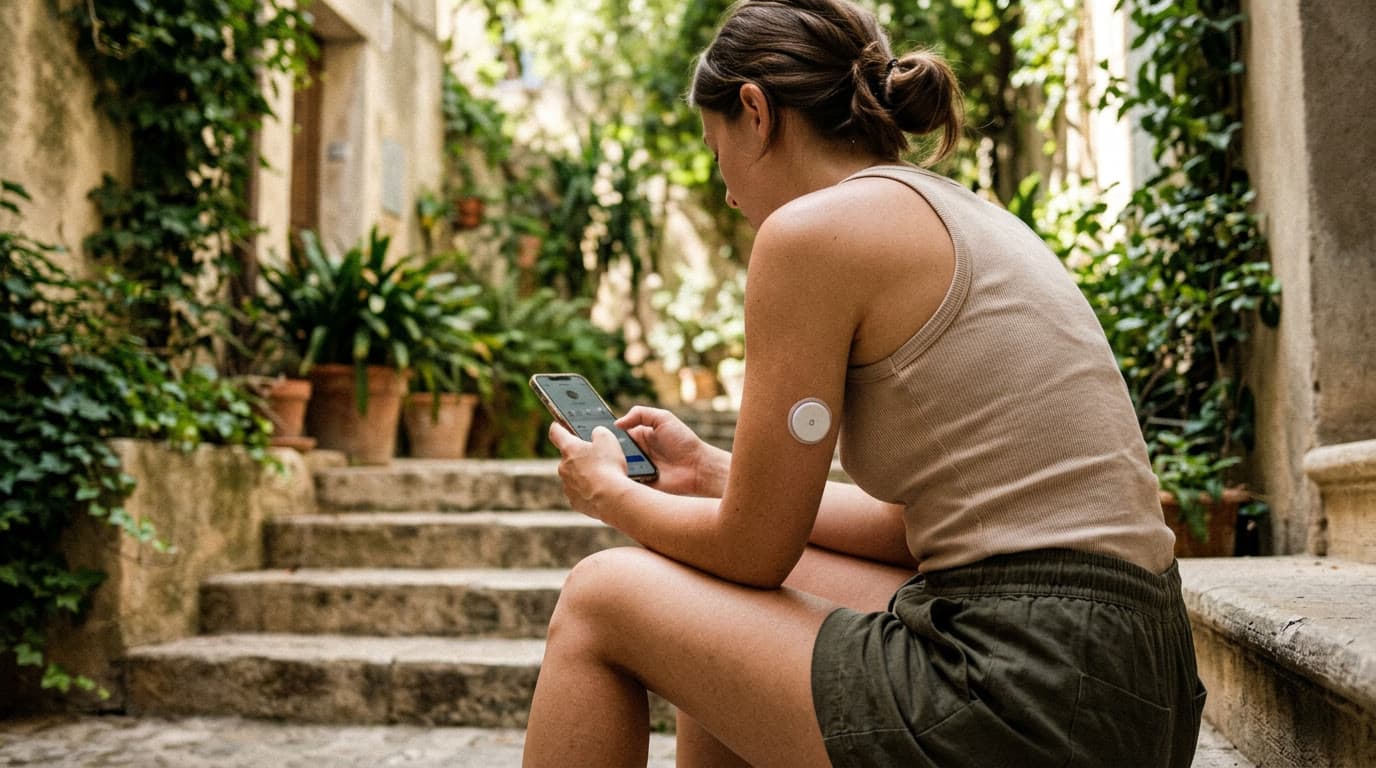
Eating vegetables before carbohydrates, drinking vinegar before a meal, choosing savoury breakfasts and taking short walks after eating are tips popularised by Jessie Inchauspé, known as the Glucose Goddess. Her approach centres on limiting post-meal rises in blood glucose, which she presents as one of the more important factors shaping metabolic health [1].
Some of this advice has scientific support. Studies do show that the order in which you eat, the composition of a meal and physical activity can influence the glycemic response. There are, however, oversimplifications about how much short-lived glucose rises matter, how individual foods affect health, and how much people without diabetes gain from following these rules.
Is every rise in glucose after a meal harmful?
After a meal containing carbohydrates, blood glucose usually rises. This is a natural process linked to digesting and absorbing nutrients. The pancreas releases insulin, which helps cells use glucose and keeps its level in check.
In people with normal glucose metabolism, the body usually handles these changes efficiently. How large the rise is depends on, among other things, the amount and type of carbohydrate, the composition of the meal, physical activity and individual metabolic response.
In diabetes, chronic hyperglycemia, meaning persistently raised glucose, has a documented link to the development of complications. That is why glucose control is a key part of treatment.
The picture is different for people without disorders of glucose metabolism. There is currently not enough evidence that limiting every physiological rise in glucose improves health or prevents disease [8]. We look at how to interpret these rises in our piece on glucose spikes in healthy people.
Eating vegetables before carbohydrates
One of the best-known Glucose Goddess tips is to eat a meal in a set order: vegetables first, then protein and fats, and foods higher in carbohydrates last.
The mechanism is partly down to fibre, protein and fat, which can affect how quickly the stomach empties and glucose is absorbed.
A meta-analysis published in 2026, covering 18 randomised controlled trials, found that eating vegetables before carbohydrates may lower glucose and insulin in the first 30–60 minutes after a meal. At 120 minutes, however, values were slightly higher than in the comparison groups. The authors rated the certainty of evidence as very low because of methodological limitations in the studies [2].
This means that changing the order in which you eat can alter the course of post-meal glucose, but its long-term health benefits need further research.
In practice: starting lunch with vegetables can be a good habit, especially if it increases how many vegetables you eat each day. There is no need, though, to separate every component of a meal and follow a strict order every time you eat.
Drinking vinegar before a meal

The Glucose Goddess recommends about one tablespoon of vinegar diluted in water before a meal that contains carbohydrates.
Research suggests vinegar may reduce the post-meal rise in glucose. A 2022 meta-analysis observed this effect both in healthy people and in those with impaired glucose metabolism. The authors noted, however, that the studies varied widely and the certainty of evidence was low [3].
A 2025 review of seven studies in patients with type 2 diabetes also pointed to a possible improvement in some glycemic markers [4]. Larger studies are still needed to assess the long-term benefits and safety of this approach.
Potential side effects matter too. Vinegar is strongly acidic, and regular contact with teeth can promote enamel erosion. A small 2021 study observed greater tooth wear in participants who drank a vinegar beverage daily for eight weeks [5].
In practice: vinegar can go into a salad dressing, but routinely drinking it before meals is not necessary. People with reflux, dental problems or digestive complaints should be especially careful. We cover this in detail in our article on apple cider vinegar for glucose and weight loss.
A savoury breakfast instead of a sweet one
Another tip is to choose breakfasts built on protein, fat and fibre rather than meals made up mainly of sugars and starchy foods.
A breakfast with protein and fibre can help you feel full, and the right combination of ingredients affects how quickly glucose is absorbed. This fits the general principles of putting together nourishing meals.
Treating every sweet breakfast as harmful is an oversimplification, though. Porridge with plain yoghurt, fruit and nuts provides fibre, protein and minerals. Its nutritional value is entirely different from a breakfast of sweetened cereal and a sugary drink.
The American Diabetes Association's 2026 guidelines recommend including whole fruit, whole grains, legumes and other sources of fibre. They also stress that carbohydrate intake should be tailored to the individual's health [6].
In practice: what the meal is made of matters more than whether it tastes sweet or savoury. A well-composed bowl of porridge can be just as good a choice as egg and vegetable sandwiches.
A walk after a meal
Short physical activity after eating is one of the best-supported tips in this approach.
Working muscles take up more glucose, partly through mechanisms that can operate somewhat independently of insulin.
A meta-analysis published in 2023 included eight randomised trials with 116 participants, both with and without type 2 diabetes. It found that activity after a meal limited the post-meal glucose rise more effectively than activity before eating or staying at rest [7].
In practice, you can start with a 10–15 minute easy walk after lunch or dinner. An added benefit is less time spent sitting.
This does not mean you need to exercise after every meal. Regular physical activity remains important outside the window right after eating, too.
Pairing carbohydrates with protein and fat
The Glucose Goddess recommends eating carbohydrate-rich foods together with sources of protein, fat or fibre. Examples include bread with cottage cheese instead of plain bread, or fruit with plain yoghurt.
Combinations like these can affect how quickly food is digested, the glycemic response and fullness. They also fit the basic principles of putting together balanced meals.
It is important, though, to distinguish between lowering peak glucose and improving the overall quality of your diet.
Adding a large portion of fat to a sweet snack may change the glycemic response, but it also raises the snack's energy content. When judging a food, calories, saturated fat, fibre and degree of processing still matter.
Sweets are a similar story. Eating dessert after a meal may lead to a different glucose curve than eating it on its own, but it does not remove the energy or sugar it provides.
Counting calories versus controlling glucose
The Glucose Goddess message also suggests paying more attention to the glycemic response than to the calorie content of meals.
Diet quality matters enormously for health, and energy value alone does not describe nutritional value. At the same time, energy balance remains important in regulating body weight.
The ADA's 2026 guidelines state that in treating overweight and obesity, an appropriately set energy deficit is an effective part of weight loss. Intensive treatment programmes use, among other approaches, a deficit of about 500–750 kcal a day, tailored to the patient's needs [9].
So it is possible to eat meals that cause a relatively small glucose rise and still take in more energy than your body needs. Changing the glycemic response does not by itself guarantee weight loss. We explain why a deficit tends to shrink over time in why weight stops dropping despite diet and exercise.
Should healthy people monitor their glucose all day?
The popularity of the Glucose Goddess has also fuelled interest in continuous glucose monitoring, or CGM. These devices measure glucose in interstitial fluid and let you watch how it changes through the day.
For patients with diabetes, these systems have documented clinical value, especially for those on insulin.
For people without diabetes, the situation is different. A 2026 article in JAMA Internal Medicine notes that there is no good-quality evidence that routine CGM use in healthy people improves health or prevents diabetes [8].
Interpreting the results is a further limitation. A single glucose rise after a meal is not a basis for judging how healthy a food is. It can, however, lead people to cut back on fruit and other nutritious foods for no good reason.
Which tips are worth using?
| Tip | What the research says |
|---|---|
| Vegetables before carbohydrates | May reduce the early glucose rise, but evidence of long-term benefit is limited |
| Vinegar before a meal | Possible effect on glucose, low certainty of evidence and potential side effects |
| Savoury breakfasts | The benefit depends on composition and nutritional value, not on taste |
| A walk after eating | A well-supported way to limit the post-meal glucose rise |
| Pairing carbohydrates with protein and fibre | A practical approach that supports diet quality and fullness |
| Avoiding every glucose spike | No basis for recommending this to all healthy people |
The tips with the greatest practical value are those about regular physical activity, eating more vegetables, getting enough fibre and putting together balanced meals. Following them can support metabolic health without constant glucose monitoring or strict rules about the order you eat in.
Frequently asked questions
Is the Glucose Goddess right about blood sugar spikes?
Some of her tips are supported by research on post-meal glucose. Attributing negative health consequences to every rise in glucose is an oversimplification, especially for people without diabetes.
Do I need to eat vegetables before every meal?
No. Eating vegetables before carbohydrates may limit the early rise in glucose, but what matters more is having them in your diet regularly and getting enough fibre overall.
Does drinking apple cider vinegar lower blood sugar?
Some studies suggest a small to moderate effect of vinegar on glycemic markers. The evidence remains limited, and drinking vinegar regularly can cause side effects. It is not a substitute for diabetes treatment.
Does porridge with fruit cause a dangerous glucose spike?
In a healthy person, the rise in glucose after porridge is usually a normal physiological response to eating carbohydrates. Its size depends on the portion, the type of oats and what you add. A glucose rise alone does not mean the meal is unhealthy.
Is it worth buying a glucose sensor if I don't have diabetes?
Routine CGM use in healthy people currently has no proven clinical benefit. If a disorder of glucose metabolism is suspected, the right step is testing in line with current guidelines.
References
- Inchauspé J. The 10 Glucose Goddess Hacks. Glucose Goddess. The author's own description of the tips discussed. https://www.glucosegoddess.com/pages/science-episode-the-10-glucose-goddess-hacks
- Kampmann-Gongoll K, Schlesinger S, Noreik M, Kuss O, Lang A. Effect of eating vegetables before carbohydrates on glucose, insulin and glycemic control: a systematic review and meta-analysis of randomized controlled trials. Clin Nutr. 2026;66:106775. doi:10.1016/j.clnu.2026.106775.
- Cherta-Murillo A, Pugh JE, Alaraj-Alshehhi S, Hajjar D, Chambers ES, Frost GS. The effects of SCFAs on glycemic control in humans: a systematic review and meta-analysis. Am J Clin Nutr. 2022;116(2):335–361. doi:10.1093/ajcn/nqac085.
- Arjmandfard D, Behzadi M, Sohrabi Z, Mohammadi Sartang M. Effects of apple cider vinegar on glycemic control and insulin sensitivity in patients with type 2 diabetes: a GRADE-assessed systematic review and dose-response meta-analysis of controlled clinical trials. Front Nutr. 2025;12:1528383. doi:10.3389/fnut.2025.1528383.
- Anderson S, Gonzalez LA, Jasbi P, Johnston CS. Evidence that daily vinegar ingestion may contribute to erosive tooth wear in adults. J Med Food. 2021;24(8):894–896. doi:10.1089/jmf.2020.0108.
- American Diabetes Association Professional Practice Committee. 5. Facilitating Positive Health Behaviors and Well-being to Improve Health Outcomes: Standards of Care in Diabetes–2026. Diabetes Care. 2026;49(Suppl 1):S89–S131. doi:10.2337/dc26-S005.
- Engeroff T, Groneberg DA, Wilke J. After dinner rest a while, after supper walk a mile? A systematic review with meta-analysis on the acute postprandial glycemic response to exercise before and after meal ingestion in healthy subjects and patients with impaired glucose tolerance. Sports Med. 2023;53:849–869. doi:10.1007/s40279-022-01808-7.
- Johansson M, Dower JA, Lipska KJ. Continuous glucose monitoring for persons with and without diabetes. JAMA Intern Med. 2026;186(9):1182. doi:10.1001/jamainternmed.2026.2769.
- American Diabetes Association Professional Practice Committee. 8. Obesity and Weight Management for the Prevention and Treatment of Diabetes: Standards of Care in Diabetes–2026. Diabetes Care. 2026;49(Suppl 1):S166–S182. doi:10.2337/dc26-S008.