
Metabolism after 40: what actually changes?

Sonia Biecka
Dietitian

Medical review: lek. Wojciech Sierocki
Content medically reviewed by an Optimals team physician.
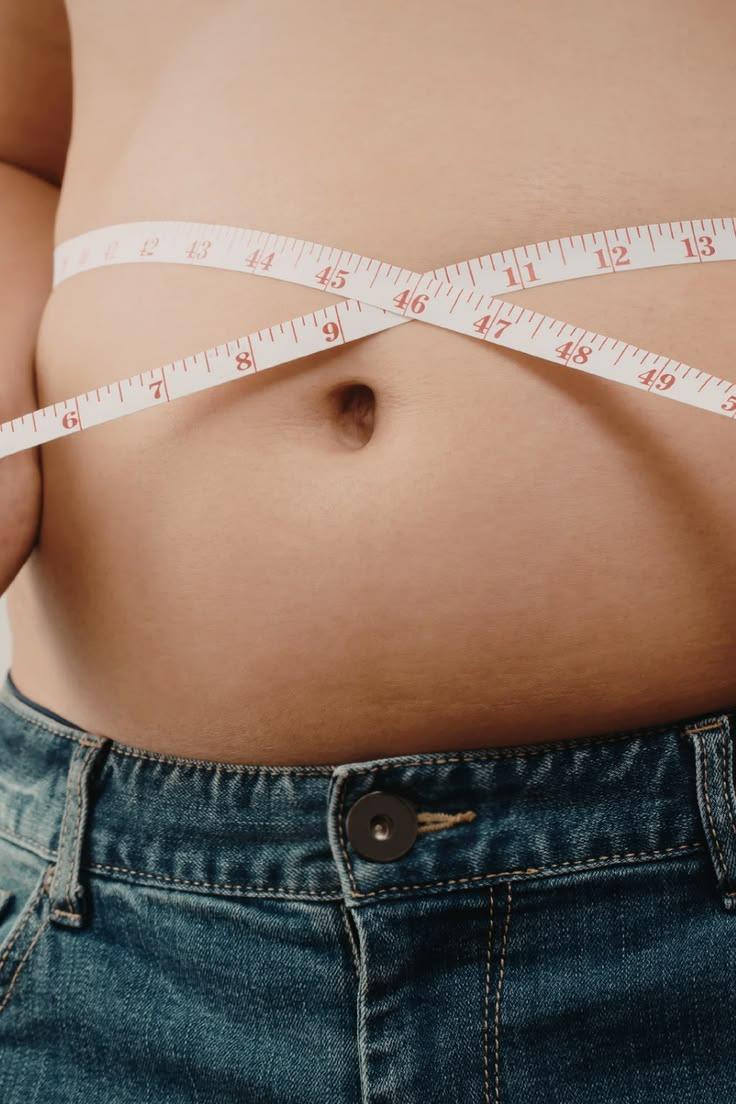
Many people notice that after 40 it becomes harder to keep their usual body weight. Even though they eat much as before, their waist slowly grows, and losing weight is not as smooth as it was ten or fifteen years earlier. We usually put this down to a slowing metabolism.
But does metabolism really slow down sharply after 40? Research suggests that the relationship between age, energy expenditure and body weight is more complex. Body composition, physical activity, hormonal changes and everyday habits all play an important role.
What exactly is metabolism?
Metabolism covers all the biochemical processes that keep the body functioning. When it comes to weight control, however, we usually mean total daily energy expenditure (TDEE), the amount of energy the body uses over 24 hours.
It is made up mainly of:
- Basal metabolic rate (BMR) – the energy needed to sustain basic life functions.
- Physical activity – both planned workouts and everyday movement, such as walking or doing household chores.
- Diet-induced thermogenesis – the energy used to digest, absorb and metabolise nutrients.
Resting energy expenditure usually makes up the largest share of total requirements, but the other components matter too. Their share depends, among other things, on body composition and activity level [1].
Does metabolism really slow down after 40?
One of the most important studies on how energy expenditure changes with age is an analysis published in Science in 2021. The researchers used data from more than 6,400 people aged 8 days to 95 years from 29 countries. Total energy expenditure was measured with the doubly labelled water method [2].
After adjusting for differences in body composition, they identified four main phases of metabolic change.
| Life stage | Energy expenditure pattern |
|---|---|
| 0–1 year | Rapid rise in energy expenditure relative to body composition |
| 1–20 years | Gradual decline to typical adult levels |
| 20–60 years | Relatively stable energy expenditure after adjusting for body composition |
| After 60 | Gradual decline in energy expenditure |
These findings challenge the belief that turning 40 automatically leads to a significant slowdown in metabolism.
That does not mean energy requirements stay the same. Loss of muscle mass, lower activity or a change in body weight can mean the body needs less energy than it did ten or fifteen years earlier.
Muscle mass and metabolism – why does it matter?
One of the changes seen with age is a gradual loss of muscle mass and strength. This process can begin as early as young adulthood, especially in people who lead a sedentary life.
Muscles are a major site of glucose uptake and use, so having enough muscle mass and keeping it in good condition matters for metabolic health.
It is worth correcting a popular belief, though: that every extra kilogram of muscle dramatically increases the number of calories burned at rest. Muscle tissue does use energy, but its resting energy expenditure is much lower than that of some internal organs.
The benefits of maintaining muscle mass lie mainly in better strength, physical fitness and metabolic function, not just in burning more calories [1].
Menopause and metabolism – what changes for women?
In women, the perimenopause plays an important role in changes to body composition. The gradual decline in estrogen levels can affect where fat is stored and how metabolism works.
The SWAN study (Study of Women's Health Across the Nation), published in 2019, showed that during the menopause transition the rate of fat gain increased, while lean body mass began to decline [3].
At the same time, the study did not find a clear acceleration in total weight gain linked to the onset of the menopause transition itself. This means a woman may notice a change in her figure and a larger waist even though the scale shows a similar number.
Of particular importance is the increased storage of fat around the abdomen, including visceral fat, an excess of which is linked to a higher risk of metabolic and cardiovascular disorders.
The International Menopause Society recommendations stress that weight gain in midlife is largely related to ageing, while the hormonal changes of menopause play a particularly important role in the redistribution of body fat [4].
Why is it easier to gain weight after 40?
Weight gain in midlife usually results from several overlapping factors.
Less spontaneous physical activity
Long hours of desk work, driving everywhere or walking less can all reduce total energy expenditure. An important role here is played by NEAT (non-exercise activity thermogenesis), the energy used in activity other than planned exercise.
Changes in body composition
A loss of muscle mass combined with a gain in body fat can affect energy requirements. These changes are not always visible on the scale.
Sleep and recovery
Too little sleep can affect appetite, food preferences and activity levels. Women in the perimenopause may also struggle with night sweats and hot flushes, which make recovery harder.
Health conditions and medications
Hypothyroidism, disorders of carbohydrate metabolism and some medications can affect body weight, appetite or physical activity. That does not mean, however, that every weight gain after 40 is caused by a hormonal disorder [5].
How to support your metabolism after 40
Instead of looking for ways to speed up your metabolism, it is worth focusing on what helps maintain muscle mass, fitness and metabolic health.
1. Start regular strength training
Resistance training helps limit the loss of muscle mass and strength. It can include exercises with weights, resistance bands or your own body weight.
According to the WHO, adults should do muscle-strengthening exercises for all major muscle groups at least twice a week. In addition, 150–300 minutes of moderate-intensity aerobic activity per week, or 75–150 minutes of vigorous activity, is recommended [6].
2. Get enough protein
Protein is essential for maintaining and rebuilding muscle, especially for people who train regularly and during weight loss.
A meta-analysis published in the British Journal of Sports Medicine found that adequate protein intake supports gains in muscle mass and strength during resistance training. In the studies analysed, additional benefits for lean body mass stopped being clear at an intake of around 1.6 g of protein per kg of body weight per day [7].
This is not, however, a universal recommendation for everyone over 40. Requirements should be tailored to activity, body weight, health status and nutritional goals.
3. Pay attention to diet quality
A diet that supports metabolic health should be based on foods that provide enough protein, fibre, vitamins and minerals.
The WHO recommends that adults eat at least 400 g of vegetables and fruit and at least 25 g of dietary fibre a day, mainly from natural food sources [8].
Your daily menu should include whole grains, legumes, nuts, seeds and sources of unsaturated fats.
When losing weight, a well-chosen energy deficit remains important. Overly restrictive diets can make it hard to meet nutrient requirements and can promote muscle loss.
4. Do not limit activity to workouts
Walking, getting around on foot, taking the stairs and regular breaks from sitting all add to your daily movement.
There is no single mandatory step count that suits everyone. What matters most is gradually increasing activity relative to your current level.
After 40, is it worth tracking more than body weight?
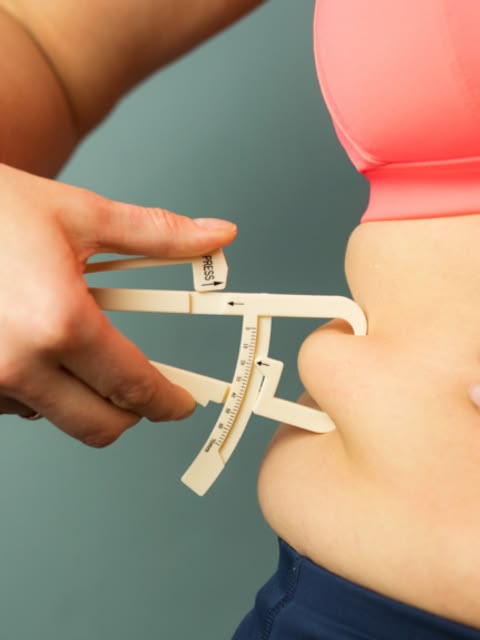
Body weight and BMI can be useful parts of a nutritional assessment, but they do not give the full picture of body composition or metabolic risk.
It is also worth paying attention to waist circumference, blood pressure and laboratory results. Depending on individual risk, a doctor may recommend a lipid profile, fasting glucose or glycated haemoglobin (HbA1c).
The goal should not be just keeping a particular number on the scale, but also preserving muscle strength, fitness and keeping health markers in a healthy range.
Frequently asked questions
Does metabolism slow down after 40?
There is no sudden slowdown in metabolism after turning 40. A study published in Science showed that energy expenditure, adjusted for body composition, is relatively stable between the ages of 20 and 60. Individual requirements can still change due to shifts in activity and body composition [2].
Why is it harder to lose weight after 40?
The cause may be lower energy expenditure linked to reduced activity, changes in body composition, sleep problems or health factors. Age alone does not make effective weight loss impossible.
Does menopause cause weight gain?
Does strength training speed up metabolism?
Strength training helps maintain or increase muscle mass, improves strength and supports metabolic health. However, you should not expect a small gain in muscle to dramatically increase resting energy expenditure.
Do you need to eat less after 40?
There is no need to cut calories automatically just because of age. Energy intake should match your current requirements, physical activity, body composition and nutritional goals.
Does intermittent fasting speed up metabolism?
There is no convincing evidence that intermittent fasting by itself increases basal metabolic rate. It can be a way to organise meals and reduce energy intake, but it is not necessary for weight loss.
Do metabolism-boosting supplements work?
Most products marketed as metabolism boosters lack sufficient evidence of meaningful, lasting effectiveness for weight loss. Supplementation should be based on specific indications, not on age alone.
Put this into practice with a doctor and a dietitian
Optimals Membership · 349 PLN/mo
Ongoing care from a dietitian, a doctor in the chat and the app every day
References
- Fernández-Verdejo R, Sanchez-Delgado G, Ravussin E. Energy expenditure in humans: principles, methods, and changes throughout the life course. Annu Rev Nutr. 2024;44:51–76. doi:10.1146/annurev-nutr-062122-031443.
- Pontzer H, Yamada Y, Sagayama H, et al. Daily energy expenditure through the human life course. Science. 2021;373(6556):808–812. doi:10.1126/science.abe5017.
- Greendale GA, Sternfeld B, Huang M, et al. Changes in body composition and weight during the menopause transition. JCI Insight. 2019;4(5):e124865. doi:10.1172/jci.insight.124865.
- Panay N, Fenton A, Hamoda H, et al. International Menopause Society (IMS) recommendations and key messages on women's midlife health and menopause. Climacteric. 2025;28(6):634–656. doi:10.1080/13697137.2025.2585487.
- Hurtado MD, Saadedine M, Kapoor E, Shufelt CL, Faubion SS. Weight gain in midlife women. Curr Obes Rep. 2024;13(2):352–363. doi:10.1007/s13679-024-00555-2.
- Bull FC, Al-Ansari SS, Biddle S, et al. World Health Organization 2020 guidelines on physical activity and sedentary behaviour. Br J Sports Med. 2020;54(24):1451–1462. doi:10.1136/bjsports-2020-102955.
- Morton RW, Murphy KT, McKellar SR, et al. A systematic review, meta-analysis and meta-regression of the effect of protein supplementation on resistance training-induced gains in muscle mass and strength in healthy adults. Br J Sports Med. 2018;52(6):376–384. doi:10.1136/bjsports-2017-097608.
- World Health Organization. Carbohydrate intake for adults and children: WHO guideline. Geneva: WHO; 2023. ISBN 9789240073593. https://www.who.int/publications/i/item/9789240073593