
Juice cleanses: does the body really need detoxing?

Sonia Biecka
Dietitian

Medical review: lek. Wojciech Sierocki
Content medically reviewed by an Optimals team physician.
Introduction
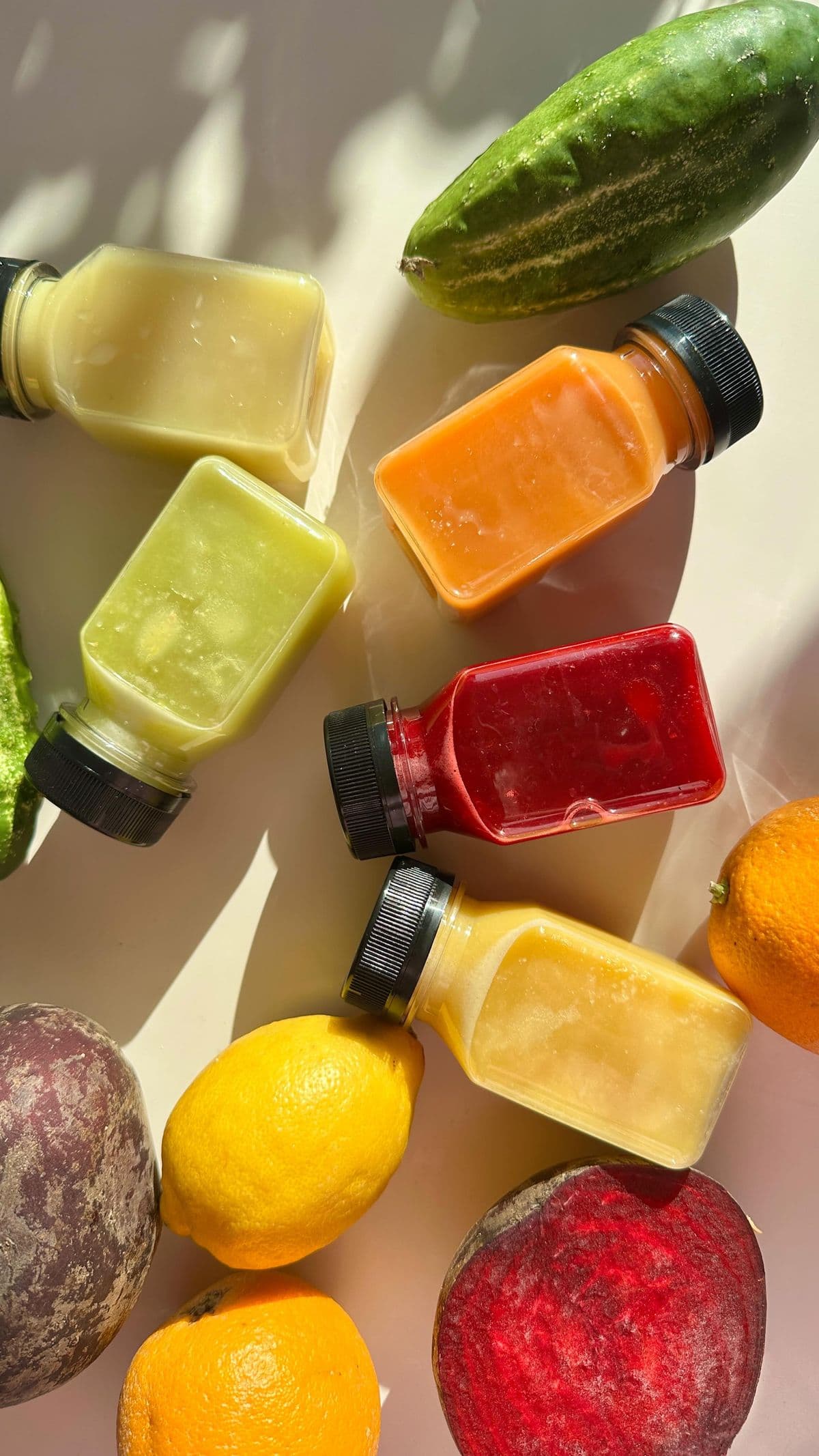
Juice cleanses have been coming back for years as a quick way to "detox the body," improve digestion, gain more energy and lose a few kilograms. Most often they involve drinking nothing but fruit and vegetable juices instead of regular meals for 1–7 days, sometimes with added herbs, lemon or ginger.
It sounds light, healthy and "natural." But does the body really need this kind of cleansing? From the perspective of physiology and current research, the answer is simple: no - a healthy body cleanses itself, and a juice cleanse is not necessary to remove toxins.
What is "detox" in the body, really?
In everyday language, "detox" is associated with flushing out toxins. In medicine, detoxification means specific metabolic and excretory processes that take place in the body all the time - regardless of whether we drink celery juice or eat a normal lunch.
The most important organs involved in the body's natural cleansing are:
- the liver, which processes, neutralizes and prepares various substances for removal,
- the kidneys, which filter blood, remove metabolic waste products and regulate water and electrolyte balance,
- the intestines, which take part in eliminating some metabolites and support the body's protective barrier,
- the lungs and skin, which also help eliminate certain substances and regulate homeostasis.
This means the body does not need cleansing in the form of a few days on juices. It needs daily support instead: an adequate supply of protein, fiber, fluids, sleep, movement, and limiting alcohol, excess sugar and highly processed food.
Why can you feel "lighter" after a juice cleanse?
Many people say after 1–3 days of juices: "I feel lighter," "my belly is flatter," "I lost weight." These are real sensations, but their interpretation is often misleading.
Weight loss after a juice cleanse usually results from:
- less food in the digestive tract,
- lower calorie intake,
- loss of some glycogen and the water bound to it,
- less salt and fewer water-retaining foods,
- sometimes also a laxative effect, if the cleanse contains herbs or "cleansing" preparations.
This is not proof that toxins have been removed. It is rather the effect of short-term food restriction. After returning to a normal diet, body weight often comes back, especially if the cleanse did not change daily habits.
Can a juice cleanse be harmful?
In a healthy person, a one-day juice "reset" probably does not have to end in a serious problem. But that does not mean it is necessary or beneficial.
Potential downsides of juice cleanses include:
- too little protein,
- too little fiber,
- large swings in satiety and hunger,
- headaches, weakness, irritability,
- a greater urge to eat once the cleanse ends,
- the risk of glucose spikes in people with insulin resistance or diabetes,
- the risk of deficiencies with prolonged or frequent use,
- the risk of kidney problems in susceptible people, especially with large amounts of juice from oxalate-rich produce such as spinach, beetroot or beet greens.
Particular caution should be taken by people with diabetes, insulin resistance, kidney disease, kidney stones, gastrointestinal diseases, pregnant and breastfeeding women, people taking medications, and people with a history of eating disorders.
What instead of a juice cleanse?
If after the holidays, vacation, an intense period at work or a few days of worse eating you feel like getting "back on track," you do not need a detox. You need a few simple actions that genuinely support the body's physiology.
Instead of a juice cleanse:
- Return to regular meals The body responds better to stability than to extremes. Start with 3 nutritious meals a day.
- Add protein to every meal Eggs, fish, meat, tofu, legumes, Greek yogurt, cottage cheese or a protein supplement help maintain satiety and more stable blood sugar.
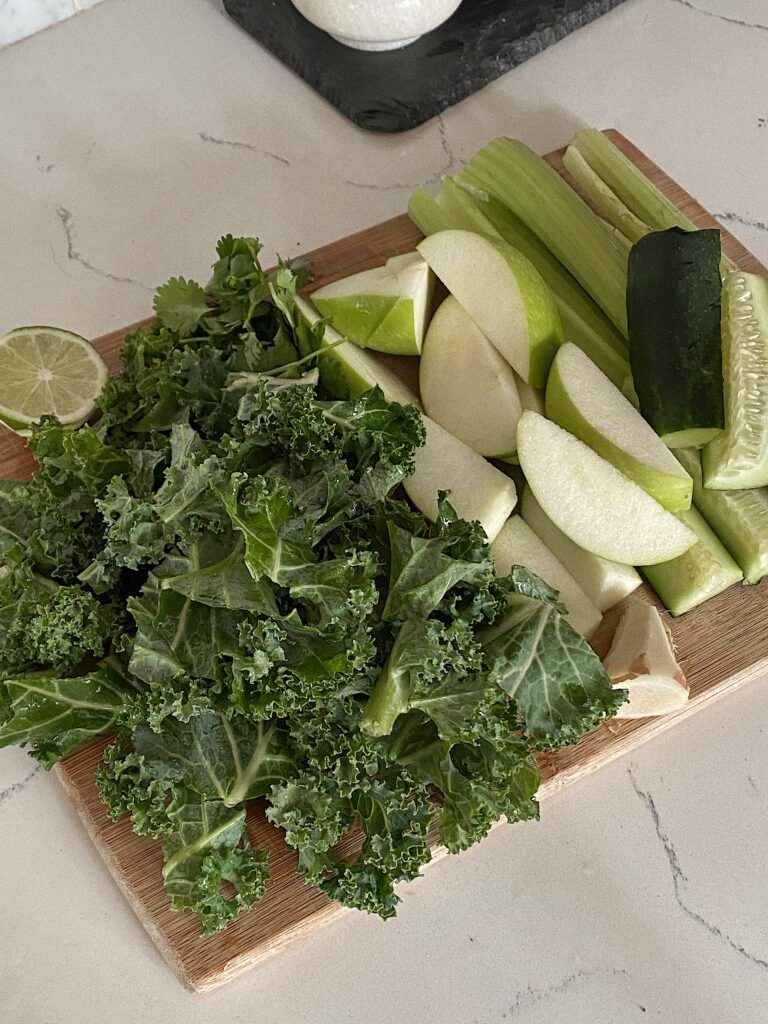
- Take care of your fiber intake Vegetables, whole fruit, groats, oats, seeds, legumes and whole-grain products support the intestines and the microbiota.
- Drink water Hydration supports kidney function, but drinking huge amounts of fluid will not "flush out toxins" any faster.
- Limit alcohol and highly processed food This is one of the more practical ways to support the liver and metabolism.
Summary
The body does not need a juice cleanse to cleanse itself. It has its own, constantly working systems for this: the liver, kidneys, intestines, lungs and skin.
Juices can be part of a diet, but they should not replace nutritious meals. A juice cleanse may give a quick feeling of lightness and a temporary drop in body weight, but it is not proof that toxins are being removed or that there is a lasting improvement in metabolic health.
The best way to "cleanse" the body is far less spectacular than colorful bottles of juice: regular meals, protein, fiber, hydration, sleep, movement, and limiting what actually burdens the body — alcohol, excess sugar and highly processed food.
A similar cleansing myth applies to the mind, so it is worth checking whether a dopamine detox has any scientific basis.
FAQ
Does the body really need a juice cleanse to clean itself?
No. A healthy body has its own cleansing mechanisms that work all the time - mainly thanks to the liver, kidneys, intestines, lungs and skin. A juice cleanse does not "trigger" these processes and is not necessary to remove metabolic waste products.
Instead of a few-day cleanse, the body needs regular support: an adequate supply of energy, protein, fiber, fluids, sleep, movement, and limiting alcohol and highly processed food.
Why can your belly be flatter and your weight lower after a juice cleanse?
This is most often the effect of short-term food restriction, not "toxin removal." During a few days on juices there is less content in the digestive tract, calorie intake drops, the body uses up some of its glycogen stores and loses water along with it.
That is why you can feel lighter after such a cleanse, but it does not mean a lasting reduction in body fat or a real cleansing of the body. After returning to normal eating, body weight often partly comes back.
For whom can a juice cleanse be particularly inadvisable?
Particular caution should be taken by people with insulin resistance, diabetes, kidney disease, kidney stones, gastrointestinal diseases, pregnant and breastfeeding women, people taking medications, and people with a history of eating disorders.
Juice cleanses can involve low protein and fiber intake, glucose swings, weakness, headaches, greater hunger, and the risk of deficiencies with prolonged or frequent use.
What should I do if I want to get “back on track” after a few days of worse eating?
You do not have to start with a restrictive cleanse. The best solution is to return to the basics: regular meals, protein in every meal, whole vegetables and fruit, whole-grain products, adequate hydration, sleep and movement.
The body responds better to stability than to extremes. Instead of "punishing yourself" with a detox, it is worth returning to a rhythm you can keep up for longer than a few days.
References
- National Center for Complementary and Integrative Health. “Detoxes” and “Cleanses”: What You Need To Know. NCCIH, National Institutes of Health. (nccih.nih.gov)
- Sardaro MLS, et al. Effects of Vegetable and Fruit Juicing on Gut and Oral Microbiome Composition. Nutrients. 2025. doi:10.3390/nu17030458.
- Nguyen M, Jarvis SE, Tinajero MG, et al. Consumption of 100% Fruit Juice and Body Weight in Children and Adults: A Systematic Review and Meta-Analysis. JAMA Pediatrics. 2024;178(3):237–246. doi:10.1001/jamapediatrics.2023.6124.
- Beckett EL, et al. Health effects of drinking 100% juice: an umbrella review of systematic reviews with meta-analyses. Nutrition Reviews. 2025;83(2):e722–e748. doi:10.1093/nutrit/nuae036.
- Thriene K, et al. Assessment of the Gut Microbiota during Juice Fasting with and without Inulin Supplementation: A Feasibility Study in Healthy Volunteers. Foods. 2022;11(22):3673. doi:10.3390/foods11223673.
- InformedHealth.org / Institute for Quality and Efficiency in Health Care. In brief: How does the liver work? NCBI Bookshelf. Updated 2023.
- National Institute of Diabetes and Digestive and Kidney Diseases. Your Kidneys & How They Work. NIDDK, National Institutes of Health. (niddk.nih.gov)
- European Food Information Council. Are juice cleanses good for you and help you lose weight? EUFIC. 2025.