What Is Preventive Medicine? Definition and How It Works

Redakcja Optimals Health

Medical review: Dr n. med. Alicja Dudek
Content medically reviewed by an Optimals team physician.

When you see a doctor about high cholesterol, you usually leave with a prescription. You complain about constant fatigue and get a referral for basic blood work, and when the results fall within the lab's reference range, you're told you just need to rest.
But is everything really fine if you don't feel fine at all?
Conventional medicine is built around disease. It focuses on diagnosis, symptom management, and parameter control. It is excellent at saving lives in emergencies. But most of us don't end up in the ER overnight. We "work toward" health problems for years, and standard healthcare only responds when things are already quite bad.
The alternative is a prevention-based approach, specifically lifestyle medicine.
Lifestyle medicine – what is it exactly?
Lifestyle medicine is an evidence-based branch of medicine that examines how everyday choices (diet, physical activity, sleep, stress, and social relationships) affect health and chronic disease risk [1].
Instead of asking "how do we treat this disease?", it asks: "what caused it and how can we change it?"
This is not alternative medicine or the broad "wellness" space. It is medicine based on clinical research, specific protocols, and measurable outcomes.
The difference is that precise lifestyle modification is treated as the most powerful medical intervention. Pharmacotherapy is introduced when there are clear indications, not as the default first response.
What does this look like in practice?
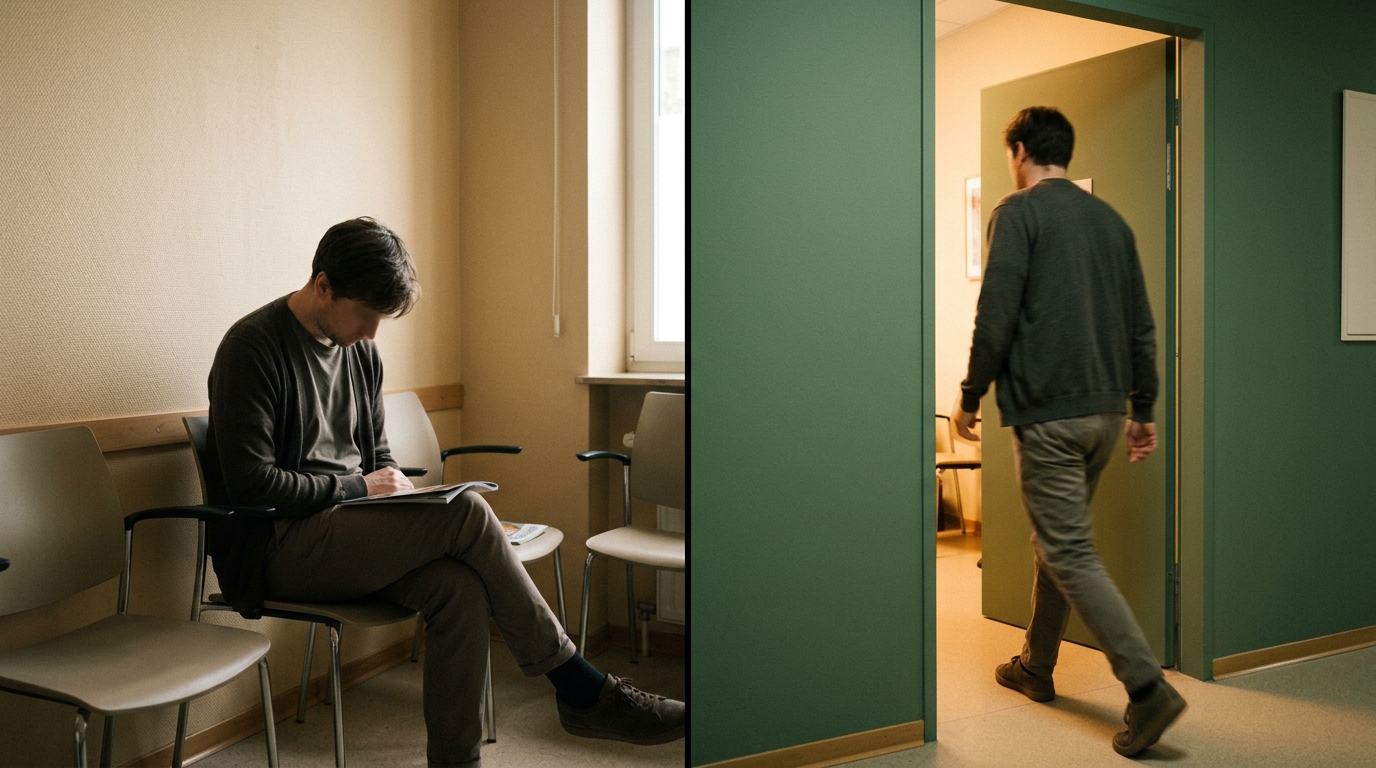
Let's take an example. Mark, 44 years old.
In the traditional care model
He comes in with an LDL cholesterol level of 165 mg/dl. The doctor reviews the results, says "watch your fats" and mentions statins. Mark goes home scared of lifelong medication, with no idea what to actually do differently.
Nobody explained why his cholesterol suddenly spiked, or how a sleepless night, chronic work stress, or emotional eating with fast carbs affects him.
With a lifestyle medicine physician
The consultation takes 45 minutes. We don't just look at the lipid panel. We analyze apoB, Lp(a), fasting insulin, inflammatory markers (CRP), vitamin D levels. We discuss daily rhythms, habits, stress. We ask about family history.
Based on this, we build an 8-week protocol together: specific dietary modifications, targeted supplementation, and an exercise plan tailored to his capabilities.
Result after three months: LDL drops to 128 mg/dl.
This sounds like magic, but behind it are medical protocols showing that comprehensive lifestyle intervention can significantly reduce chronic disease risk [2][3].
What is lifestyle medicine based on?
It rests on six pillars of health identified by the American College of Lifestyle Medicine [4]:
1. Nutrition. Not a fad diet, but a long-term evidence-based eating pattern. Research on Blue Zones and the Mediterranean diet shows that eating habits are among the strongest predictors of lifespan and quality of life [5][6].
2. Physical activity. This isn't about competitive sports. Regular, moderate exercise reduces the risk of type 2 diabetes, cardiovascular disease, and certain cancers more effectively than many medications [7][8].
3. Sleep. Sleep deprivation is one of the best-studied risk factors for obesity, insulin resistance, and accelerated biological aging. 7–8 hours isn't a luxury but a physiological necessity [9][10].
4. Stress management. Chronic stress raises cortisol levels, which destroys muscle, deposits visceral fat, and disrupts hormonal balance [11][12].
5. Reducing harmful substances. Avoiding excess alcohol, nicotine, and ultra-processed food. We're not here to moralize, but this is what the clinical data shows, and for alcohol no dose entirely free of risk is known.
6. Relationships and social environment. Social isolation increases mortality risk to a degree comparable to smoking 15 cigarettes per day [13][14]. These are hard statistics, not a metaphor.
What does this mean for you in practice?
Lifestyle medicine doesn't replace acute disease treatment and doesn't encourage stopping medications without medical consultation. It complements conventional medicine and is increasingly the first line of intervention in chronic diseases like type 2 diabetes, hypertension, or metabolic syndrome.
In practice, this means:
- Deeper diagnostics: we assess how far you are from optimal health, not just whether a disease can be coded in your chart
- An individualized action plan, based on your results, not an averaged population norm
- Regular monitoring, because taking care of health is an ongoing process, not a one-time visit
- Partnership with your doctor, who considers your lifestyle, work demands, and daily realities
All of this work rests on changes that have to hold for years, not weeks. That is why it helps to know how to build health habits that survive a harder period.
Why is this the future?
Chronic diseases such as obesity, diabetes and cardiovascular conditions account for over 70% of deaths worldwide [16]. The vast majority are directly related to how we live. Research shows that modifiable lifestyle risk factors may explain a significant proportion of chronic disease cases [15].
Yet standard medical procedures still focus on treating disease, not preventing it.
This is changing. Organizations like the WHO, the European Society of Cardiology, and the American Diabetes Association are incorporating lifestyle interventions into official clinical guidelines. It is no longer a niche and is becoming a global standard.
In Poland, this is still new. That's exactly why we created Optimals.
Summary
Preventive medicine answers a question that the healthcare system rarely asks:
What can you do today to be healthy in 10, 20, 30 years?
It's a science-based approach, led by physicians, individualized to your results and your context. A good starting point is knowing what preventive tests are worth doing once a year.
Frequently asked questions
What is preventive medicine in simple terms?
Preventive medicine looks for the causes of disease before symptoms appear, instead of treating it afterwards. In practice it means deeper diagnostics plus evidence-based work on diet, physical activity, sleep and stress – so that chronic disease doesn't develop in the first place.
What does a preventive medicine physician do?
They run broader diagnostics than a standard check-up (for example apoB, Lp(a), fasting insulin, CRP), analyse your lifestyle and family history, then build an individual protocol of dietary changes, movement and targeted supplementation – and monitor the results over time.
Why is preventive medicine important?
Chronic diseases cause over 70% of deaths worldwide, and most are driven by modifiable lifestyle factors. Acting on those factors early is more effective and far cheaper than treating established disease – for many conditions it is now the first-line intervention in clinical guidelines.
Is preventive medicine the same as lifestyle medicine?
They overlap but aren't identical. Lifestyle medicine is the core toolset of prevention: the evidence-based use of nutrition, exercise, sleep and stress management as medical interventions. Preventive medicine is broader – it also covers screening, early diagnostics and risk assessment.
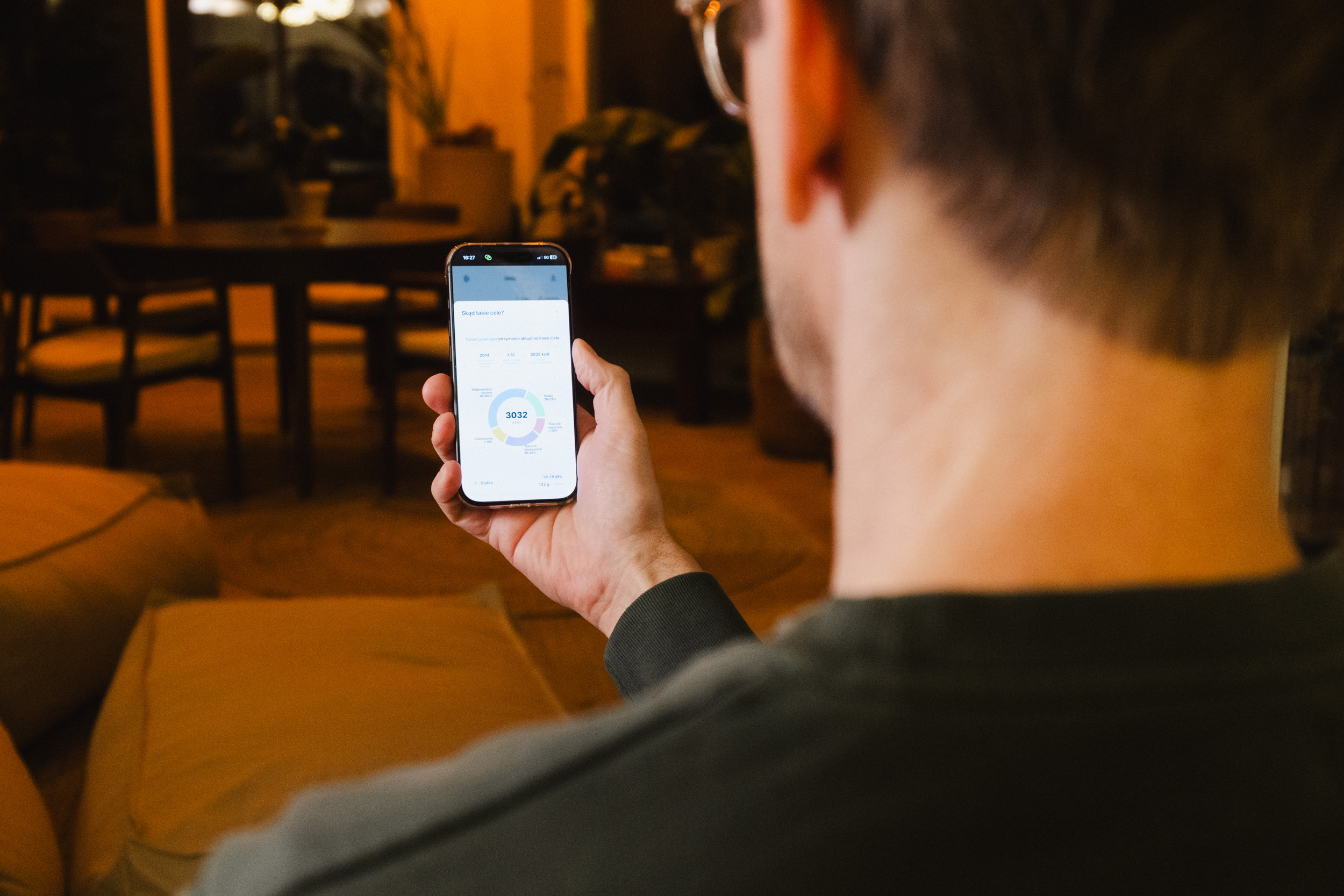
If you want to see what this looks like in practice, we'd love to have you.
→ See what you can achieve with Optimals
Your Optimals Health Team
Sources
[1] American College of Lifestyle Medicine. What is Lifestyle Medicine? 2026.
[2] A. L. Whincup, et al. Lifestyle medicine as a modality for prevention and management of chronic disease. 2023.
[3] D. E. King, et al. Prioritized Research for the Prevention, Treatment, and Reversal of Chronic Disease. 2020.
[4] G. L. Cioci, et al. The Six Pillars of Lifestyle Medicine. 2023.
[5] National Academies of Sciences, Engineering, and Medicine. Lessons from the Blue Zones. 2015.
[6] M. Lenno, et al. How the Blue Zones and Mediterranean Diets May Be Linked to Longevity. 2023.
[7] W. J. Jackson, et al. Muscle-strengthening activities and risk of cardiovascular disease, type 2 diabetes, cancer and mortality. 2020.
[8] S. J. Blair, et al. Physical activity, exercise, and chronic diseases: A brief review. 2019.
[9] Lin, LY., et al. Interactive effects of sleep duration and dietary patterns on obesity moderated by age. 2025. doi:10.1038/s41598-025-17886-2.
[10] E. Tasali, et al. Sleep disorders and the development of insulin resistance and obesity. 2013.
[11] M. T. K. Ng, et al. Investigation of the Relationship Between Chronic Stress and Insulin Resistance. 2016.
[12] J. M. Dallman, et al. Chronic Stress Increases Vulnerability to Diet-Related Abdominal Obesity. 2014.
[13] D. A. Lawton, et al. Is social isolation as bad for health as smoking 15 cigarettes per day? 2025.
[14] M. J. Valtorta, et al. Are a lack of social relationships and cigarette smoking really equally powerful predictors of premature mortality? 2021.
[15] JAMA and Archives Journals. Healthy Lifestyle Habits May Be Associated With Reduced Risk Of Chronic Disease. 2009.
[16] World Health Organization. Noncommunicable diseases — Fact sheet. 2025. (who.int)